Types of Water Contaminants – Causes, Effects & Treatment
Water quality plays a central role in health, home systems, and industrial use. To protect your water, you need to understand the types of water contaminants that can be present and how each group affects people, equipment, and the environment. This guide breaks down common contaminants, their sources, and effective treatment strategies.
-
Microbial Types of Water Contaminants
-
Bacteria
- Bacteria such as E. coli and Salmonella are among the most common microbial contaminants. These organisms enter water from sewage leaks, animal waste, or unprotected wells. Because bacteria reproduce quickly in untreated water, they pose a high risk of gastrointestinal illness. Therefore, proper disinfection is critical.
-
Viruses
- Viruses like norovirus and hepatitis A can also contaminate water sources. Unlike microbes visible under a microscope, viruses are tiny and resilient. They require effective disinfection, such as UV or ozone treatment, to neutralize them.
-
Protozoa
- Protozoa, including Giardia and Cryptosporidium, form protective cysts that resist standard disinfection. As a result, these contaminants demand robust filtration methods.
-
-
Chemical Contaminants in Water
-
Inorganic Chemicals
- Inorganic chemicals include heavy metals like lead, arsenic, and mercury. These can enter water from industrial runoff, mining activity, or old plumbing systems. Moreover, fluoride and nitrate — though beneficial in small amounts — can harm health at elevated levels.
-
Organic Chemicals
- Organic contaminants include pesticides, herbicides, and industrial solvents. Due to agricultural runoff and industrial waste, organic chemicals can be widespread in surface water. Some of these compounds may cause long‑term health issues.
-
Disinfection By‑Products
- Chlorine used in municipal water can react with organic matter to form by‑products such as trihalomethanes (THMs). Although disinfectants protect against microbes, by‑products can carry their own risks if levels rise too high.
-
-
Physical Types of Water Contaminants
-
Sediment and Particulate Matter
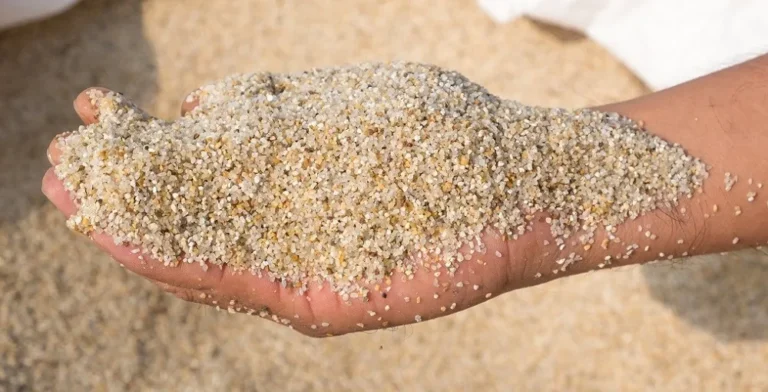
- Rust, sand, and silt are common physical contaminants that affect clarity and taste. While they are not usually harmful in small amounts, they can clog filters and reduce water quality.
-
Color and Turbidity
- Turbidity describes the cloudiness of water caused by suspended solids. Moreover, high turbidity can shield microbes from disinfectants, making treatment more difficult.
-
-
Radiological Water Contaminants
- Some water sources contain radioactive elements like radon or uranium. Although these are less common, they pose serious health risks with long‑term exposure. Radiological contaminants often require specialised testing and treatment.
-
Emerging & Unregulated Contaminants
- Pharmaceutical residues, microplastics, and personal care chemicals represent emerging contaminants. Furthermore, these do not yet fall under strict regulation, but researchers continue to study their effects. As a result, many advanced filtration systems aim to address these issues proactively.
Health & Safety Impacts of Contaminants
Different types of water contaminants cause varied health effects:
-
Microbial contamination often leads to infections, nausea, and diarrhoea.
-
Chemical contaminants can affect organ function and long‑term health.
-
Physical impurities may not be toxic, but degrade water quality and usability.
Because water carries nutrients and waste alike, contaminant monitoring and treatment remain essential.
Effective Water Treatment Solutions
-
Filtration
- Sediment filters and carbon filters physically capture particles and adsorb chemicals, improving clarity and taste.
-
Disinfection
- Chlorination, UV light, and ozone are powerful disinfectants against microbes and viruses.
-
Reverse Osmosis (RO)
- RO systems can remove dissolved salts, heavy metals, and many organic compounds.
-
Water Softeners
- Softeners reduce hardness minerals like calcium and magnesium, preventing scale and protecting appliances.
- Each treatment addresses specific types of water contaminants, and combining strategies often delivers the best results.
Testing and Monitoring Water Quality
Regular water testing helps you identify which contaminants are present and which treatment is most appropriate. Home test kits, lab analysis, and professional water profiling can reveal levels of microbial, chemical, physical, and even emerging contaminants.
Conclusion
Understanding the types of water contaminants empowers you to choose the right treatment and protect your water quality. Whether you focus on removing microbes, chemicals, sediments, or emerging threats, informed action keeps your water safe, clean, and refreshing. Regular testing and the correct filtration system make a difference every day.