How Water Quality Impacts the Taste of Your Food & Drinks
Water is a fundamental ingredient in our daily lives, from cooking to brewing beverages. Yet, many people underestimate how water quality impacts taste. The minerals, chemicals, and impurities present in water can drastically alter flavors, affecting everything from coffee and tea to soups and sauces. Understanding water quality is essential to ensuring that your meals and drinks taste as intended.
The Role of Water in Cooking
Water is more than just a solvent in cooking—it actively interacts with ingredients. Hard water, which contains high levels of calcium and magnesium, can make vegetables tough and alter the texture of grains like rice and pasta. Conversely, soft water can help preserve delicate flavors but may also lack the mineral content that enhances certain dishes. By knowing your water’s composition, you can adjust your recipes to achieve optimal taste.
Brewing Beverages
Coffee and tea are particularly sensitive to water quality. The presence of chlorine or other chemicals can leave an off-taste, while the right balance of minerals can enhance aroma and flavor. Even the pH of water can affect extraction, which influences the richness of your brew. For instance, slightly acidic water often brings out the best in coffee, highlighting subtle flavor notes that would otherwise be lost.
Everyday Drinking Water
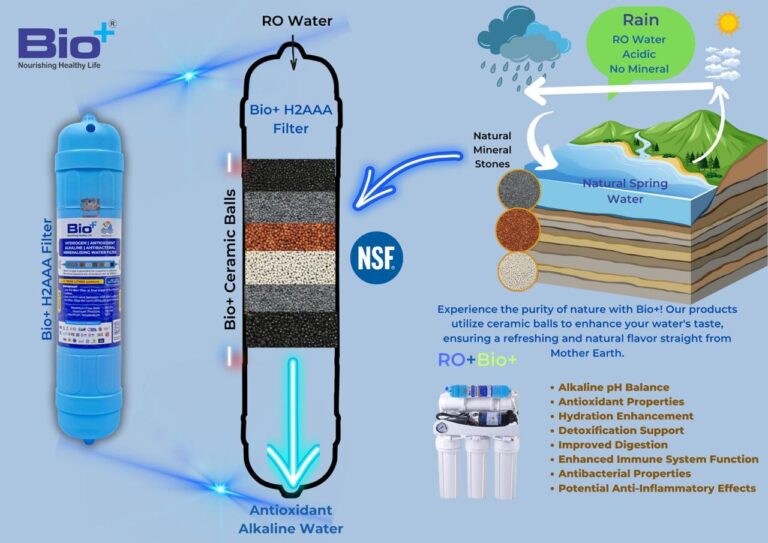
The taste of your tap water itself can influence how enjoyable it is to drink. High chlorine levels, sediment, or metallic tastes from pipes can make water unpleasant. Installing a filtration system, such as reverse osmosis or ultrafiltration, can significantly improve the taste and safety of drinking water, making hydration more appealing and enhancing the overall dining experience.
How to Improve Water Quality for Taste
- Filtration Systems: Remove sediments, chemicals, and contaminants that affect taste.
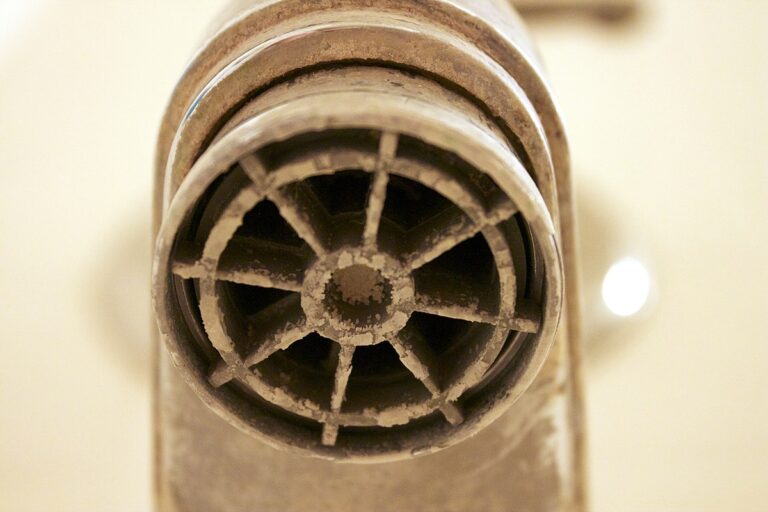
- Water Softeners: Reduce hardness and prevent mineral buildup that alters cooking results.
- Regular Testing: Monitor pH, chlorine, and TDS levels to ensure water remains optimal.
By taking these steps, you can ensure that water quality positively impacts taste, elevating both your cooking and drinking experiences.
Conclusion
The quality of your water plays a crucial role in the flavor of your food and drinks. From cooking to brewing, every drop matters. Investing in proper filtration and understanding your water’s composition will enhance taste, improve overall health, and make everyday beverages more enjoyable. Remember, the subtle differences that water quality brings to your meals are often the key to truly great flavors.