What Is Water Turbidity? Causes, Effects, and How to Reduce It
What is water turbidity? It is one of the most common questions asked by homeowners, businesses, municipalities, and industries concerned about water quality. Turbidity refers to the cloudiness or haziness of water caused by tiny suspended particles that scatter light instead of allowing it to pass through.
Although cloudy water may simply look unpleasant, high turbidity can also indicate underlying water quality problems. Suspended solids, silt, clay, organic matter, algae, and microorganisms can all contribute to increased turbidity. These contaminants may reduce the effectiveness of water treatment systems, increase maintenance requirements, and affect the safety and appearance of drinking water.
Understanding water turbidity is the first step towards selecting the right treatment solution. In this guide, we’ll explain what causes turbidity, how it is measured, why it matters, and the most effective ways to reduce it for residential, commercial, and industrial applications.
What Is Water Turbidity?
Water turbidity is a measure of how clear or cloudy water appears due to suspended particles. Unlike dissolved minerals, which are invisible, these particles remain suspended in the water and interfere with the passage of light.
Common suspended particles include:
- Fine sand
- Silt
- Clay
- Rust particles
- Organic matter
- Algae
- Microorganisms
- Decaying vegetation
The more suspended particles present, the higher the turbidity level.
Turbidity is an important water quality parameter because it often indicates that additional treatment may be required before the water is suitable for drinking or industrial use.
What Causes Water Turbidity?
Many natural and human activities contribute to increased turbidity.
Heavy Rainfall
Rainwater washes soil, sand, and organic material into rivers, dams, and boreholes, increasing suspended solids.
Erosion
Construction sites, farming activities, and deforestation expose soil, allowing sediment to enter nearby water sources.
Algae Growth
Warm temperatures and excess nutrients encourage algae blooms, which increase turbidity and affect water taste and odour.
Pipe Disturbances
Water main repairs or sudden changes in flow can dislodge rust and sediment inside municipal pipelines.
Industrial Activities
Mining, manufacturing, and wastewater discharge can introduce suspended solids into water sources if not properly managed.
How Is Turbidity Measured?
Turbidity is commonly measured using a turbidity meter or nephelometer, which determines how much light is scattered by particles suspended in the water.
The standard unit of measurement is NTU (Nephelometric Turbidity Units).
Typical guideline values include:
| Turbidity (NTU) | Water Appearance |
|---|---|
| 0–1 | Crystal clear |
| 1–5 | Slightly cloudy |
| 5–10 | Noticeably cloudy |
| Above 10 | Highly turbid |
Many drinking water standards aim for turbidity below 1 NTU after treatment.
Why Turbidity Matters
High turbidity affects more than the appearance of water.
It can:
- Reduce the effectiveness of UV disinfection.
- Shield bacteria and viruses from disinfectants.
- Block filters more quickly.
- Increase maintenance costs.
- Reduce reverse osmosis performance.
- Affect water taste and appearance.
- Increase operating costs.
- Shorten equipment life.
Monitoring turbidity is therefore an essential part of maintaining water quality and protecting treatment equipment.
Common Sources of Turbid Water
Different water sources present different turbidity challenges.
Municipal Water
Normally has low turbidity but may become cloudy after pipe repairs or heavy rainfall.
Borehole Water
Can contain fine sand, clay, and iron particles depending on geological conditions.
River Water
Often experiences seasonal increases in turbidity after storms.
Dam Water
May contain suspended solids, algae, and organic matter, especially during warmer months.
Harvested Rainwater
Can become turbid due to dust, leaves, bird droppings, and roof debris entering storage tanks.
Health and Operational Impacts of High Water Turbidity
Although turbidity does not always mean water is unsafe to drink, it can indicate that contaminants are present. High turbidity may also reduce the effectiveness of water treatment processes, making it more difficult to produce clean, safe water.
Health Concerns
Suspended particles can provide protection for harmful microorganisms such as bacteria, viruses, and parasites. These organisms may hide behind fine particles, making it more difficult for disinfectants like chlorine and ultraviolet (UV) light to reach and destroy them.
While turbidity itself is not a disease, it can be a warning sign that further water testing is needed.
If water suddenly becomes cloudy or changes color, it should be investigated before it is used for drinking or food preparation.
Impact on Water Treatment Systems
High turbidity places additional strain on water treatment equipment.
It can:
- Block sediment filters more quickly.
- Reduce the efficiency of activated carbon filters.
- Increase membrane fouling in reverse osmosis systems.
- Lower UV sterilization performance.
- Increase cleaning frequency.
- Raise maintenance costs.
- Reduce overall system efficiency.
Treating turbidity early helps protect downstream equipment and lowers long-term operating expenses.
How to Reduce Water Turbidity
The best treatment method depends on the source of the turbidity and the type of particles present.
In many cases, a combination of treatment technologies provides the best results.
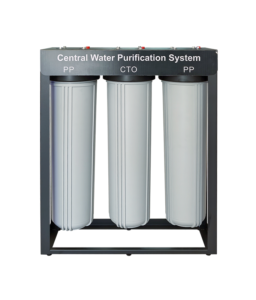
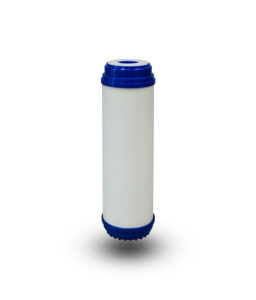
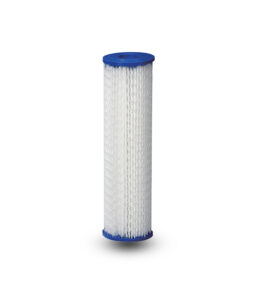
Sediment Filtration
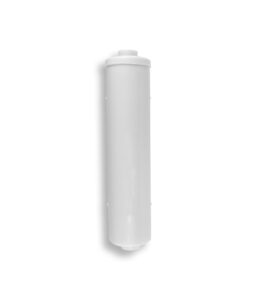
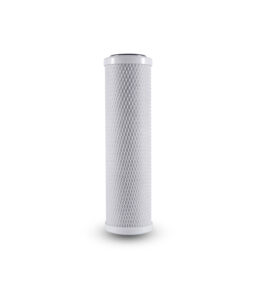
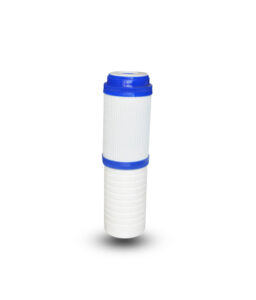
Sediment filters are one of the simplest and most effective ways to remove suspended solids.
Depending on the application, sediment filters are available in different micron ratings, including:
- 20 micron
- 10 micron
- 5 micron
- 1 micron
Choosing the correct filter depends on the size of the particles and the required water quality.
Routine filter replacement ensures consistent performance and protects downstream equipment.
Multimedia Filtration
Multimedia filters contain layers of filtration media that capture larger suspended particles before they reach finer filtration stages.
These systems are commonly used in:
- Commercial buildings
- Industrial facilities
- Food and beverage processing
- Agriculture
- Municipal water treatment
Regular backwashing restores filtration performance and extends media life.
Ultrafiltration (UF)
Ultrafiltration removes extremely fine suspended particles, bacteria, and many microorganisms that conventional filters cannot remove.
UF systems are ideal for:
- Surface water
- Dam water
- River water
- Rainwater harvesting
- High-turbidity feed water
Ultrafiltration also provides excellent pretreatment for reverse osmosis systems by significantly reducing the fouling potential of the feed water.
Coagulation and Flocculation
Very fine particles sometimes remain suspended even after filtration.
Coagulation and flocculation use specially selected chemicals to bind these tiny particles together into larger flocs, making them easier to remove by sedimentation or filtration.
This process is commonly used in municipal and industrial treatment plants.
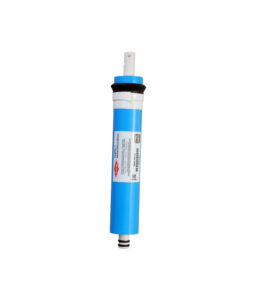
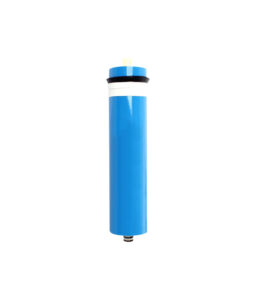
Reverse Osmosis
Reverse osmosis removes many remaining suspended particles as part of the purification process.
However, RO membranes should not be used as the primary method for treating highly turbid water.
Effective pretreatment helps prevent membrane fouling and extends system life.
Choosing the Right Water Treatment Solution
Selecting the correct treatment system depends on several factors, including:
- Water source
- Turbidity level
- Particle size
- Daily water demand
- Intended water use
- Results of a comprehensive water analysis
Professional water testing provides the information needed to design the most effective treatment solution.
Preventing Turbidity Problems
Preventing turbidity is often easier than treating it after it occurs.
The following practices help maintain consistent water quality:
Inspect Water Sources Regularly
Check boreholes, storage tanks, and rainwater harvesting systems for signs of contamination.
Maintain Filtration Equipment
Replace filter cartridges and backwash multimedia filters according to the manufacturer’s recommendations.
Protect Water Storage Tanks
Well-sealed storage tanks reduce the entry of dust, insects, leaves, and other contaminants.
Monitor Seasonal Changes
Heavy rainfall and flooding often increase turbidity in rivers, dams, and boreholes.
Routine testing helps identify changes before they affect water quality.
Perform Regular Water Testing
Testing for turbidity, pH, TDS, hardness, and microbiological contaminants provides a complete picture of water quality and helps determine the most appropriate treatment solution.
Common Mistakes When Treating Turbid Water
Many water quality issues become more expensive because of avoidable mistakes.
These include:
Ignoring Cloudy Water
Cloudy water should never be dismissed without investigation.
Sudden changes in water clarity often indicate changes in water quality.
Installing the Wrong Filter
Using a filter with the wrong micron rating may reduce performance and increase maintenance requirements.
Always match the filtration system to the specific water quality problem.
Skipping Pretreatment
Sending highly turbid water directly into a reverse osmosis system increases membrane fouling and shortens membrane life.
Pretreatment is essential.
Neglecting Maintenance
Dirty filters lose efficiency and can even become sources of contamination.
Routine servicing ensures consistent performance.
Frequently Asked Questions
What causes water turbidity?
Water turbidity is caused by suspended particles such as silt, clay, sand, algae, rust, organic matter, and microorganisms that remain suspended in the water.
Is cloudy water safe to drink?
Not always.
Cloudy water may contain contaminants or microorganisms that require further testing and treatment before the water is considered safe.
What is a good turbidity level for drinking water?
Treated drinking water is generally expected to have a turbidity below 1 NTU, although standards may vary depending on local regulations and the application.
Can reverse osmosis remove turbidity?
Reverse osmosis removes many suspended particles. However, pretreatment with sediment filters or multimedia filters is recommended to protect the membranes and improve system performance.
Does borehole water have high turbidity?
Some boreholes produce crystal-clear water, while others contain fine sand, clay, iron particles, or other suspended solids that increase turbidity.
A water analysis is the best way to determine the appropriate treatment solution.
Final Thoughts
Understanding what water turbidity is helps homeowners, businesses, and industries make informed decisions about water treatment. While cloudy water is often associated with poor appearance, it can also affect drinking water safety, damage treatment equipment, and increase operating costs if left untreated.
The good news is that turbidity can be effectively managed with the right combination of water testing, pretreatment, filtration, and ongoing maintenance. Whether your water comes from a municipal supply, borehole, river, dam, or rainwater harvesting system, selecting the appropriate treatment solution will improve water clarity, protect your equipment, and ensure consistent water quality.
If you’re experiencing cloudy water or need help choosing the right filtration system, the specialists at Puritech can assess your water quality and recommend a solution tailored to your residential, commercial, or industrial application.