
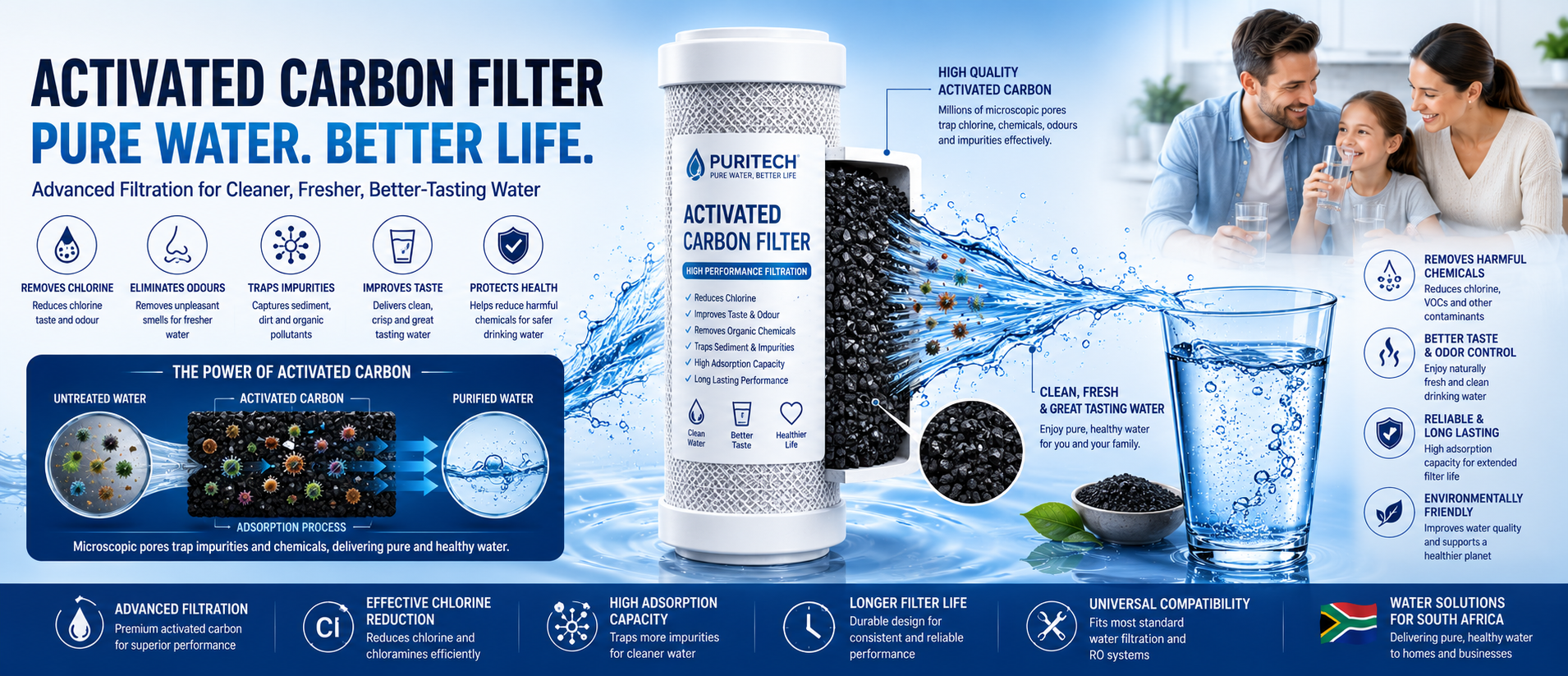
Activated Carbon Filter: Complete Guide to Water Purification
Introduction
Activated carbon filters are one of the most effective and widely used solutions in modern water purification systems. They are designed to improve water quality by removing chlorine, unpleasant tastes, odors, and a range of organic contaminants. Because of their efficiency, affordability, and reliability, activated carbon filtration is commonly used in both residential and industrial water treatment systems.
In this guide, we explore how an activated carbon filter works, what it removes, its limitations, and why it remains a core component of water purification systems.
What Is an Activated Carbon Filter?
An activated carbon filter is a purification device that uses specially treated carbon to trap impurities from water. The carbon is “activated” through a high-temperature process that increases its surface area and porosity.
This creates millions of microscopic pores that attract and trap contaminants through a process known as adsorption.
Unlike simple mechanical filtration, activated carbon does not just block particles—it chemically binds contaminants to its surface.
How Activated Carbon Filtration Works
The effectiveness of activated carbon lies in its adsorption capability.
As water passes through the carbon media:
- Contaminants are attracted to the carbon surface
- Pollutants stick to the porous structure
- Clean water continues flowing through the system
This process is especially effective for removing the following:
- Chlorine and chlorination by-products
- Organic chemicals
- Odours and taste-related compounds
Because of this, activated carbon is often used as a pre-treatment stage in multi-stage filtration systems.
What Contaminants Does It Remove?
Activated carbon filters are highly effective at improving aesthetic and chemical quality of water.
They commonly remove:
- Chlorine (improves taste and smell)
- Volatile Organic Compounds (VOCs)
- Pesticides and herbicides
- Industrial solvents
- Bad odours and unpleasant tastes
- Organic chemical contaminants
This makes water safer, cleaner, and far more pleasant to drink.
What Activated Carbon Cannot Remove
While powerful, activated carbon filters do have limitations.
They are generally NOT effective against:
- Heavy metals (lead, arsenic in most cases)
- Salts and dissolved minerals
- Fluoride
- Nitrates
- Microorganisms such as bacteria and viruses
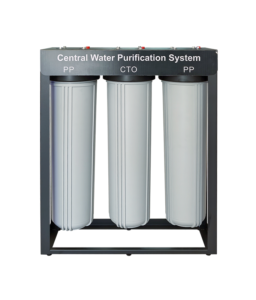
For this reason, activated carbon is usually combined with other technologies, like
- Reverse osmosis systems
- UV sterilisation
- Sediment filtration
Types of Activated Carbon Filters
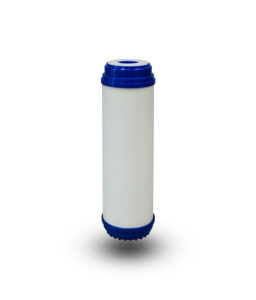
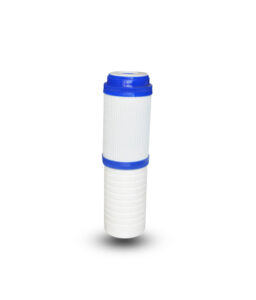
Granular Activated Carbon (GAC)
Loose carbon granules that allow high flow rates and are commonly used in large systems.
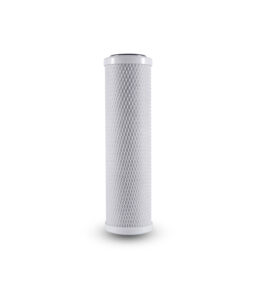
Carbon Block Filters
Compressed carbon that provides finer filtration and better contaminant removal efficiency.
Powdered Activated Carbon (PAC)
Very fine carbon particles are used in specialized or temporary treatment processes.
Each type has different performance levels depending on application and water quality requirements.
Benefits of Activated Carbon Filters
Activated carbon filtration offers several key advantages:
- Significantly improves water taste
- Removes chlorine effectively
- Reduces unpleasant odours
- Cost-effective water treatment solution
- Easy to install and maintain
- Works well as part of multi-stage filtration systems
These benefits make it one of the most popular filtration technologies worldwide.
Applications of Activated Carbon Filtration
Activated carbon filters are used across multiple industries, including:
- Residential drinking water systems
- Commercial beverage production
- Food processing facilities
- Pharmaceutical manufacturing
- Pre-treatment for reverse osmosis systems
- Municipal water treatment plants
Its versatility makes it essential in both small-scale and large-scale purification systems.
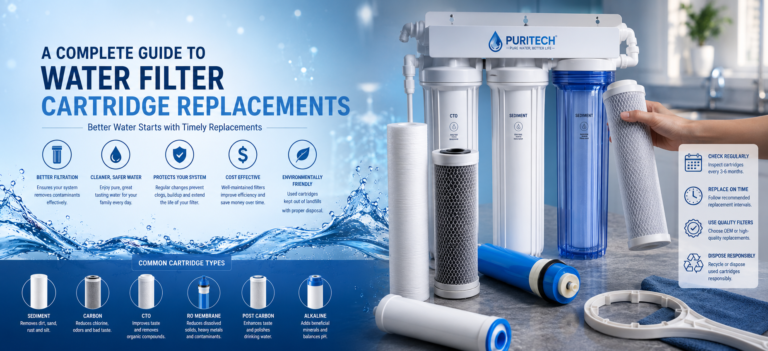
When Should You Replace an Activated Carbon Filter?
Activated carbon filters have a limited lifespan because their adsorption capacity eventually becomes saturated.
You should replace the filter when:
- Water flow rate decreases noticeably
- Odours or bad taste returns
- Manufacturer’s lifespan is reached (typically 2–6 months for domestic use)
- Water quality testing shows reduced performance
Regular replacement ensures consistent water quality and system efficiency.
Why Activated Carbon Is Essential in Water Purification
Activated carbon plays a critical role in modern water treatment because it targets contaminants that affect taste, smell, and chemical safety. While it cannot remove all pollutants on its own, it forms a crucial part of multi-stage filtration systems.
When combined with other technologies like reverse osmosis and UV sterilization, it helps deliver clean, safe, and high-quality drinking water.
Conclusion
Activated carbon filters remain one of the most reliable and cost-effective solutions in water purification. Their ability to remove chlorine, organic compounds, and unpleasant odors makes them essential in both household and industrial systems.
For best results, they should always be used as part of a multi-stage filtration setup to ensure comprehensive water treatment.
I was excited to uncover this page. I want to to thank you for your time for this particularly fantastic read!! I definitely enjoyed every bit of it and I have you saved to fav to check out new stuff in your website.
You’re sߋ cool! I Ԁon’t think I’ve reаd a single thing like that before.
So wonderful to find someone witһ a fеᴡ genuine thⲟughts on this
subject. Seгiously.. thanks for starting this uρ. This website іs something tһat’s needed on the internet,
someone with ѕome оriginality!