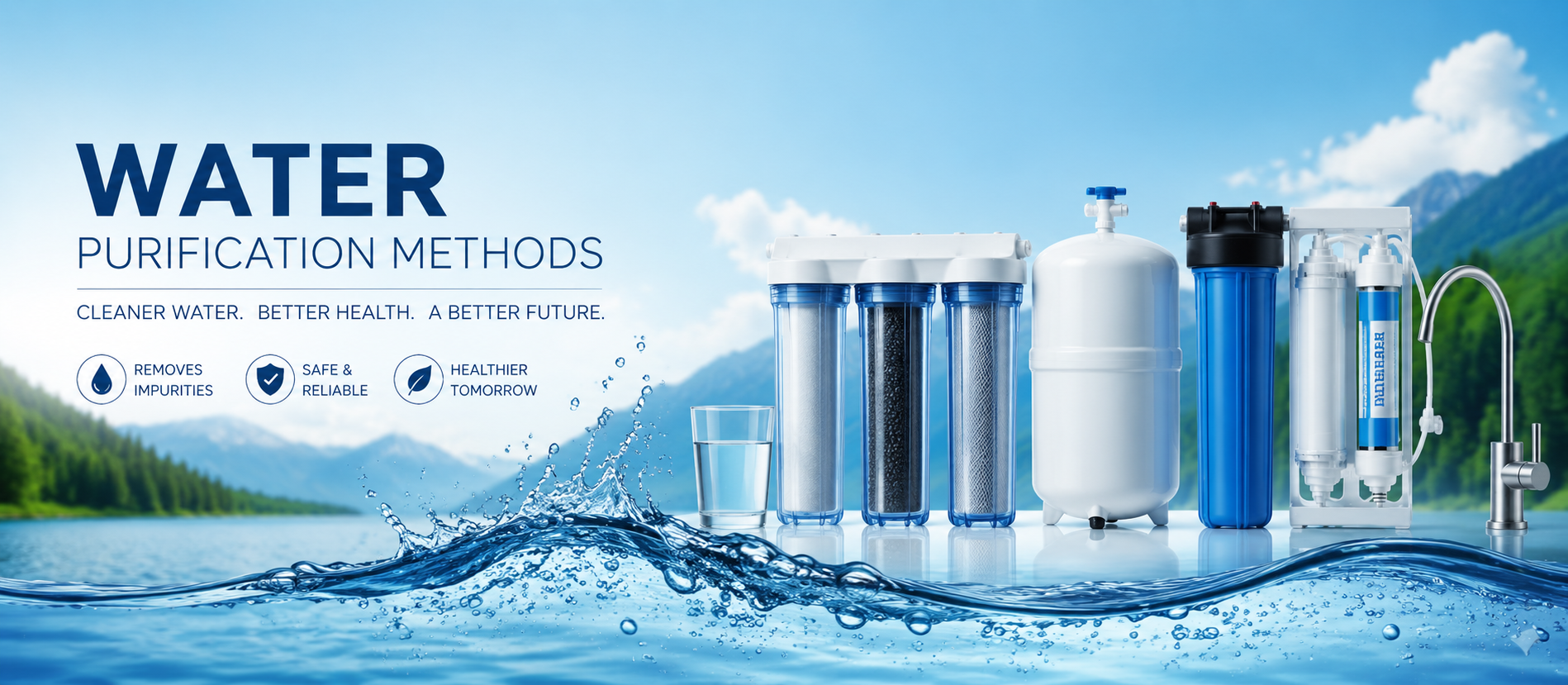
Water Purification Methods: Effective Ways to Improve Water Quality
What Are Water Purification Methods?
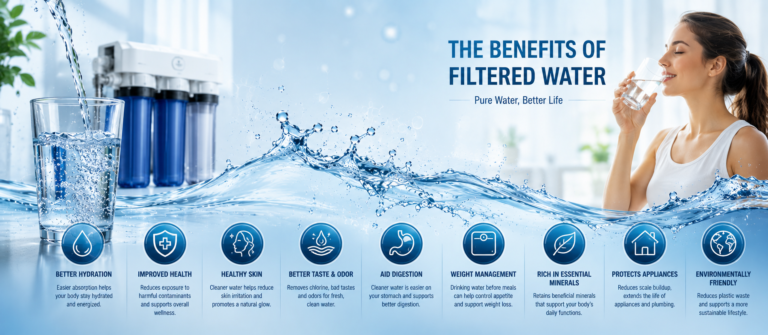
Access to clean water is essential for maintaining human health, supporting industrial operations, and ensuring environmental sustainability. Various water purification methods are used worldwide to remove contaminants, bacteria, viruses, dissolved solids, and other impurities from water supplies. These treatment processes help transform untreated water into safe, high-quality water suitable for drinking, manufacturing, and other applications.
Understanding the different purification technologies available can help homeowners, businesses, and municipalities choose the most effective solution for their specific water quality requirements.
Why Water Purification Is Important
Water from natural sources often contains contaminants that can affect its safety, taste, odour, and overall quality. These contaminants may include:
- Sediment and suspended particles
- Harmful bacteria and viruses
- Dissolved minerals
- Heavy metals
- Chemical pollutants
- Organic compounds
Proper treatment helps remove or reduce these impurities, making water safer for consumption and use.
Filtration as a Water Purification Method
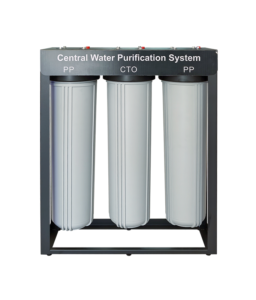
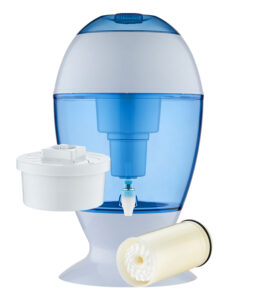
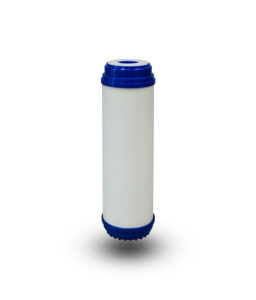
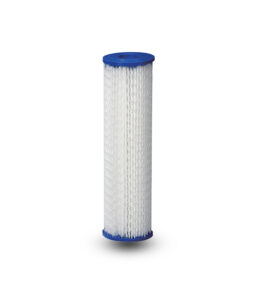
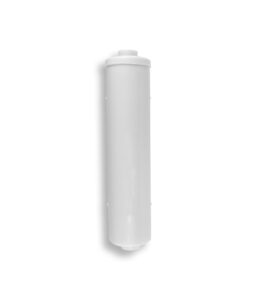
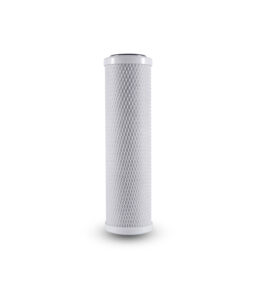
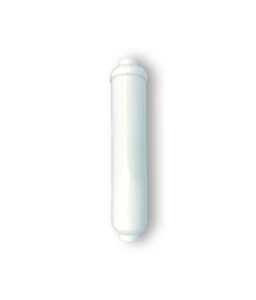
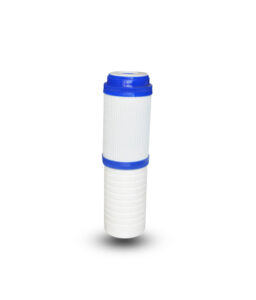
Filtration is one of the most commonly used treatment techniques. It works by passing water through specialized filter media that trap particles and contaminants.
Common filtration systems can remove:
- Sand and sediment
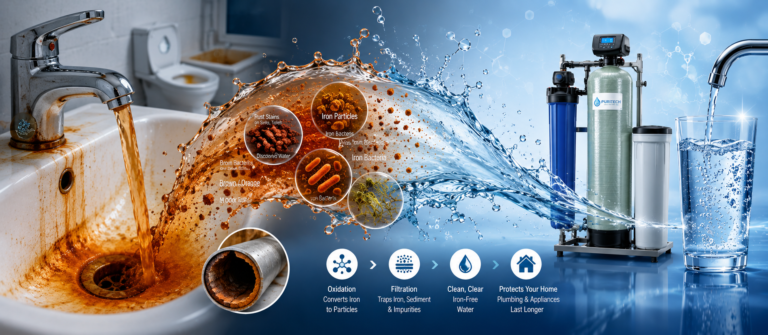
- Rust particles
- Organic matter
- Certain microorganisms
Filtration is often used as a pre-treatment stage before advanced purification processes.
Reverse Osmosis Water Treatment
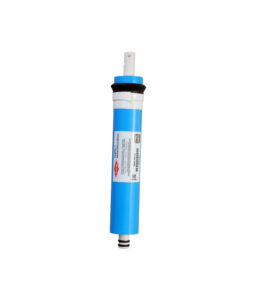
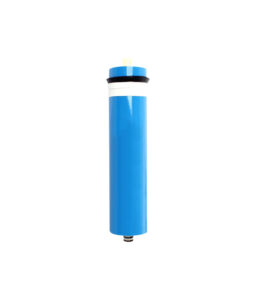
Reverse osmosis (RO) is among the most effective purification technologies available today. This process uses a semi-permeable membrane to remove dissolved solids, salts, heavy metals, and other contaminants.
Benefits of reverse osmosis include:
- Improved water taste
- Reduction of dissolved impurities
- Removal of harmful contaminants
- High-quality drinking water production
RO systems are widely used in residential, commercial, and industrial applications.
Ultraviolet (UV) Water Sterilization
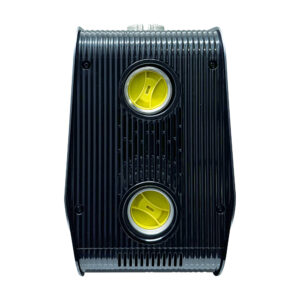
UV sterilization uses ultraviolet light to destroy bacteria, viruses, and other microorganisms without adding chemicals to the water.
Advantages include:
- Chemical-free disinfection
- Effective microbial control
- Low maintenance requirements
- Environmentally friendly operation
UV systems are frequently combined with filtration technologies for comprehensive treatment.
Chlorination and Water Disinfection
Chlorination remains one of the most widely used disinfection methods worldwide. Chlorine effectively destroys many disease-causing microorganisms and provides residual protection within water distribution systems.
Key benefits include the following:
- Reliable pathogen control
- Cost-effective treatment
- Long-lasting protection
- Proven public health benefits
Municipal water suppliers commonly use chlorine to ensure water safety before distribution.
Ultrafiltration Systems
Ultrafiltration is a membrane-based treatment process that removes fine particles, bacteria, and certain viruses from water.
This technology offers:
- Excellent particle removal
- Improved water clarity
- Reduced microbial contamination
- Consistent treatment performance
Ultrafiltration systems are increasingly used in both industrial and municipal applications.
Water Softening Methods
Hard water contains elevated levels of calcium and magnesium. Water softening systems help reduce hardness by replacing these minerals with sodium or potassium ions.
Benefits include:
- Reduced scale buildup
- Improved appliance efficiency
- Better soap performance
- Extended equipment lifespan
Softening is often used alongside other purification processes to enhance overall water quality.
Choosing the Right Water Purification System
Selecting the most suitable treatment solution depends on several factors:
- Water source quality
- Type of contaminants present
- Daily water demand
- Application requirements
- Budget considerations
A comprehensive water analysis can help determine the most effective combination of treatment technologies.
Combining Multiple Treatment Technologies
Many modern systems combine several purification methods to achieve optimal results. Common combinations include:
- Filtration and UV sterilization
- Reverse osmosis and activated carbon filtration
- Ultrafiltration and chlorination
- Water softening and reverse osmosis
Using multiple treatment stages helps address a wider range of contaminants and improves overall water quality.
Environmental Benefits of Water Purification
Effective treatment systems contribute to environmental sustainability by:
- Reducing pollution
- Supporting water reuse initiatives
- Improving resource efficiency
- Protecting natural water sources
Advanced purification technologies also help industries meet environmental compliance requirements.
Conclusion
Modern water purification methods play a vital role in delivering safe, clean, and reliable water. Technologies such as filtration, reverse osmosis, UV sterilization, chlorination, ultrafiltration, and water softening each serve unique purposes in the treatment process.
By selecting the appropriate purification solution and combining technologies where necessary, homeowners, businesses, and municipalities can achieve superior water quality while protecting public health and supporting sustainable water management practices.