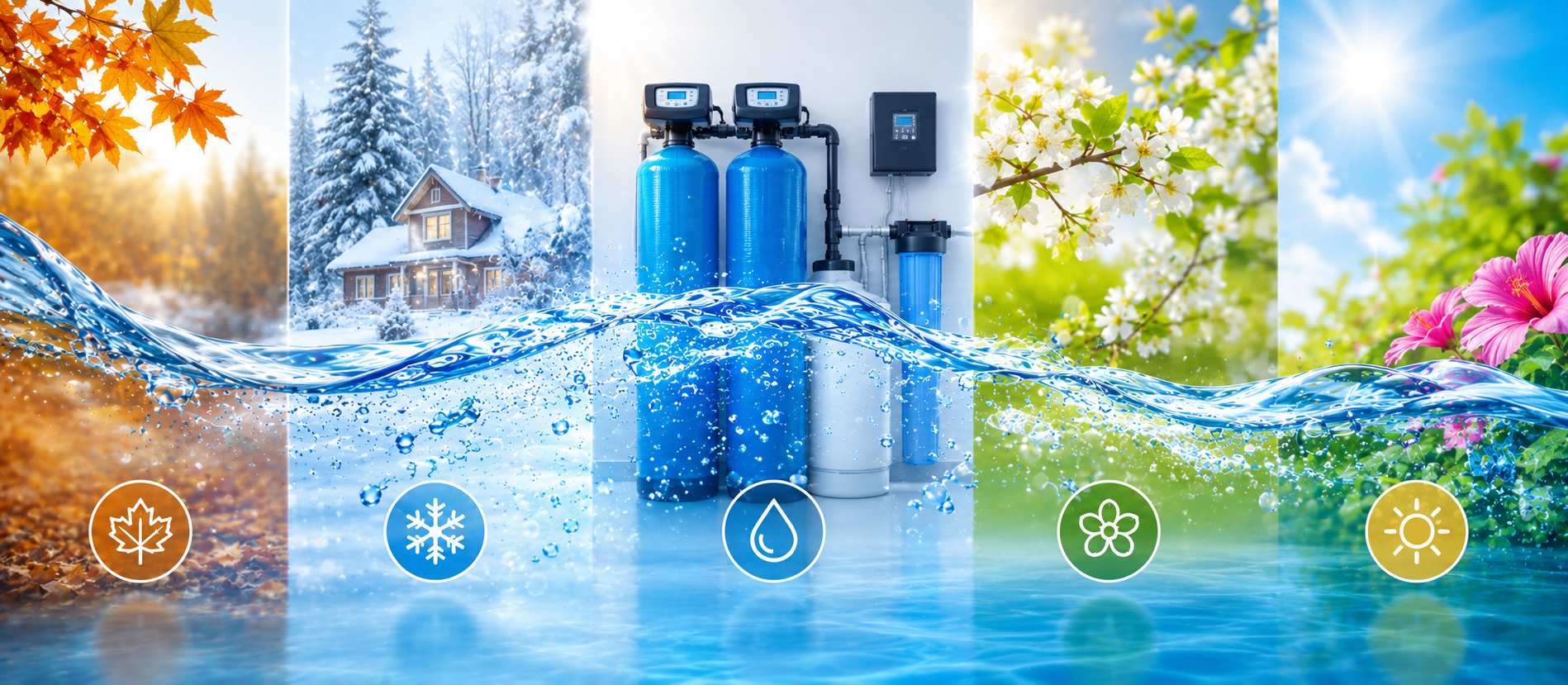
Seasonal Water Treatment Tips for Winter and Summer
Following the right seasonal water treatment tips can help maintain water quality, protect filtration systems, and improve the performance of water treatment equipment throughout the year. Seasonal temperature changes often affect water usage, water quality, and the efficiency of purification systems in homes and businesses.
Preparing your water treatment system for both winter and summer conditions helps reduce maintenance issues, improve filtration performance, and extend the lifespan of important components such as filters, pumps, membranes, and storage tanks.
Why Seasonal Water Treatment Tips Matter
Water quality and water usage patterns can change significantly between colder and warmer seasons. Higher temperatures during summer may increase algae growth, bacteria activity, and water consumption, while winter conditions can affect water pressure, pipe performance, and equipment efficiency.
Using practical seasonal water treatment tips helps ensure your water system continues operating efficiently throughout the year.
Winter Water Treatment Tips
Winter conditions can place additional strain on water treatment systems, especially in colder environments where pipes and filtration equipment are exposed to low temperatures.
Protect Pipes and Outdoor Equipment
Insulating exposed pipes and outdoor filtration components helps prevent freezing and possible damage during colder weather.
Inspect Filtration Systems
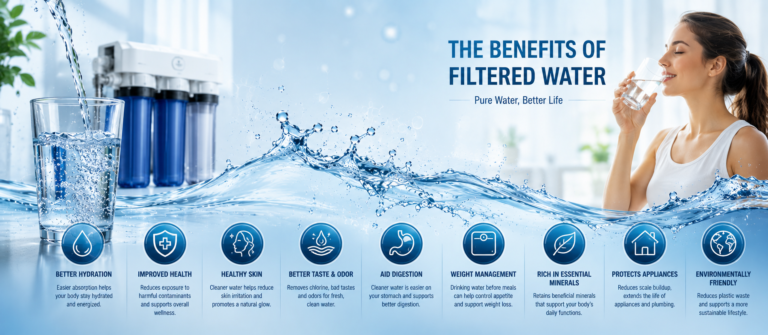
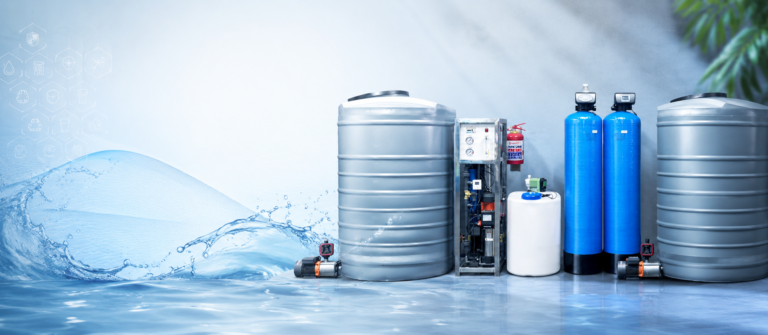
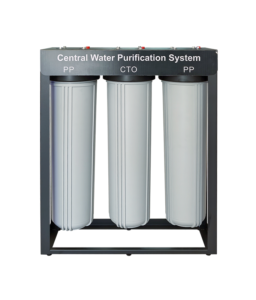
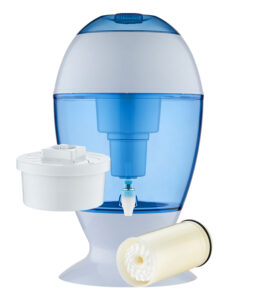
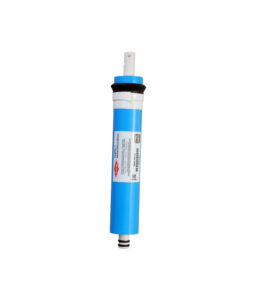
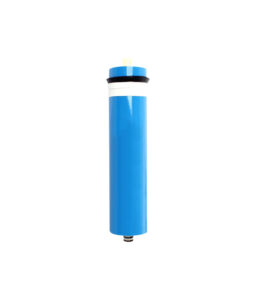
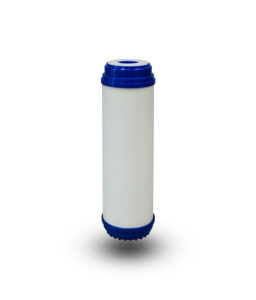
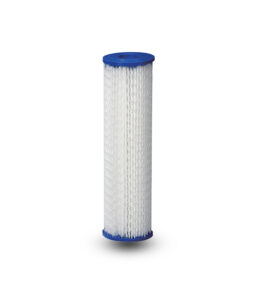
Winter is a good time to inspect water filters, reverse osmosis systems, and softeners for wear or reduced performance. Replacing old filters helps maintain water quality and flow rates.
Check Water Pressure
Lower temperatures can affect water pressure and system performance. Regular pressure checks help identify blockages or system issues early.
Maintain Water Storage Tanks
Cleaning and inspecting storage tanks during winter helps prevent sediment accumulation and maintains clean water storage conditions.
Summer Water Treatment Tips
Warmer temperatures can increase water demand and create conditions that encourage algae, bacteria, and unpleasant odours in untreated water systems.
Monitor Water Quality
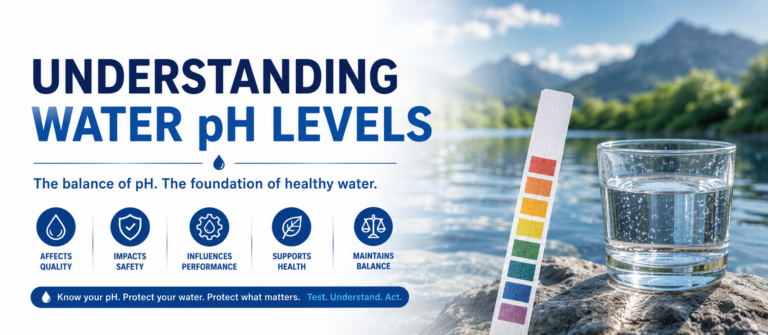
Testing water quality during summer helps identify bacteria growth, chlorine imbalance, or contamination issues before they become serious problems.
Prevent Algae Growth
Sunlight and heat can encourage algae development inside tanks and untreated water systems. Using UV-resistant tanks and proper tank covers helps reduce this risk.
Increase System Maintenance
Summer often increases water usage, placing additional demand on filtration systems. More frequent maintenance and filter replacement may be required.
Inspect UV and Disinfection Systems
UV sterilisation and disinfection systems should be checked regularly to ensure proper operation during periods of high water consumption.
Benefits of Seasonal Water Treatment Maintenance
Applying effective seasonal water treatment tips offers several advantages for residential and commercial water systems.
Key Benefits
- Improved water quality throughout the year
- Better filtration system performance
- Reduced risk of equipment damage
- Longer lifespan for water treatment components
- Improved water efficiency
- Reduced maintenance and repair costs
Regular maintenance also helps identify small problems before they develop into costly repairs or water quality issues.
Recommended Seasonal Water Treatment Practices
To maintain efficient operation year-round, consider:
- Replacing filters on schedule
- Inspecting storage tanks regularly
- Monitoring water pressure and flow
- Cleaning treatment equipment
- Testing water quality seasonally
- Servicing UV and RO systems when required
These preventative steps help ensure consistent water quality regardless of seasonal changes.