Introduction
There are many misleading beliefs surrounding water purification myths and how filtration systems actually work. From misconceptions about bottled water to confusion about reverse osmosis and UV filtration, these water purification myths can prevent homeowners and businesses from choosing the right water treatment solution. Understanding the facts about modern water filtration technology can help you improve drinking water quality, reduce contaminants, and protect your health.
Common Water Purification Myths Explained
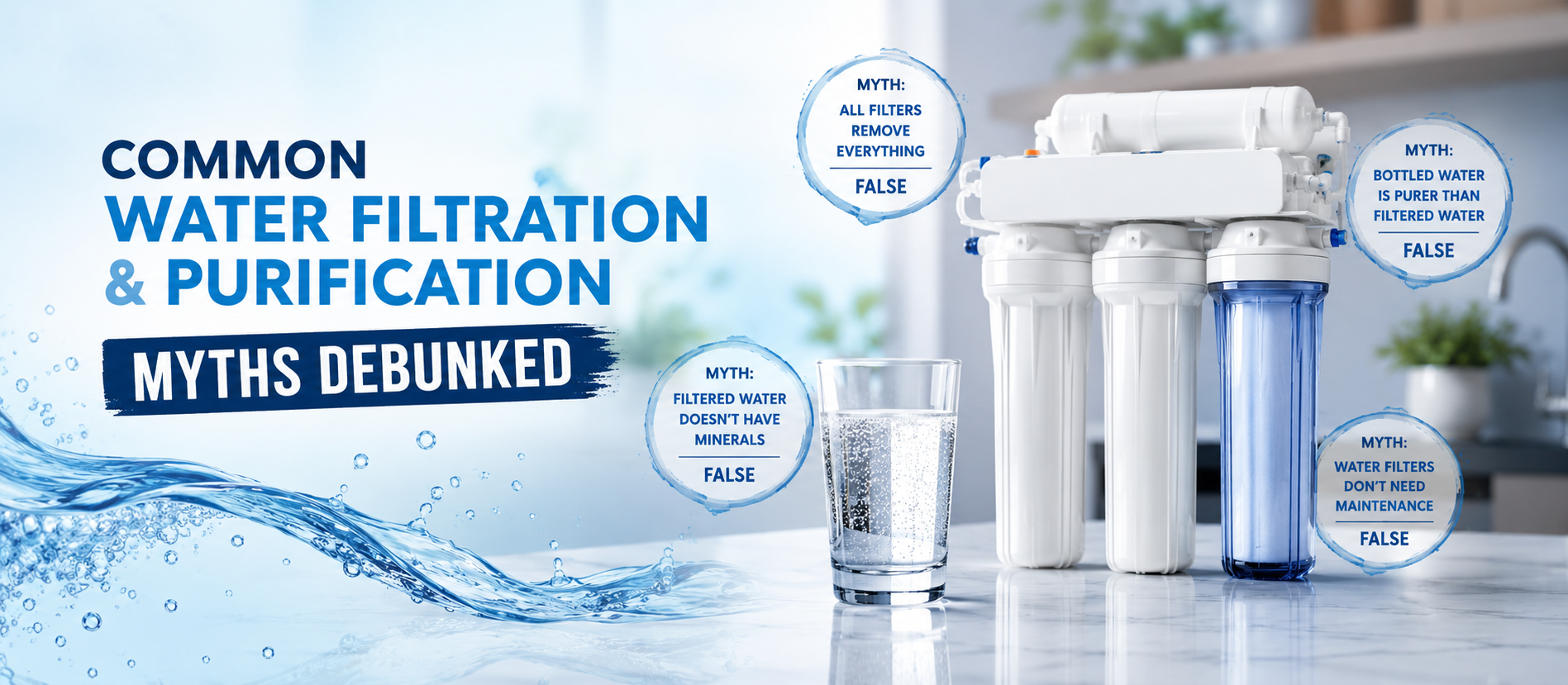
Myth 1: Bottled Water Is Safer Than Filtered Water
One of the most common water purification myths is that bottled water is always safer than tap water. In reality, many bottled water brands use municipal water sources, and plastic storage can introduce additional contaminants. A properly maintained filtration system often provides safer and more affordable drinking water.
Myth 2: Boiling Water Removes Every Contaminant
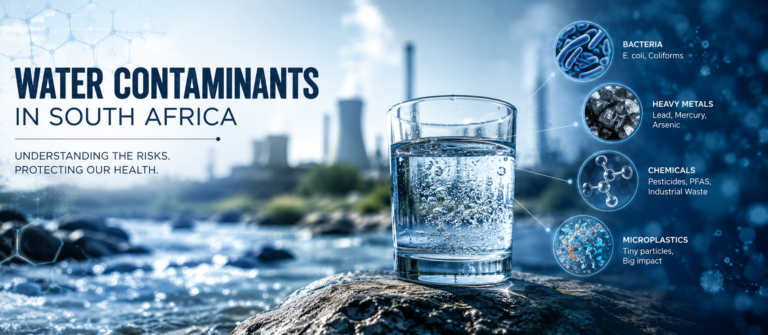
Boiling water kills bacteria and viruses, but it does not remove heavy metals, chlorine, pesticides, or dissolved chemicals. Effective purification systems combine multiple filtration technologies for better protection.
Myth 3: All Water Filters Work the Same Way
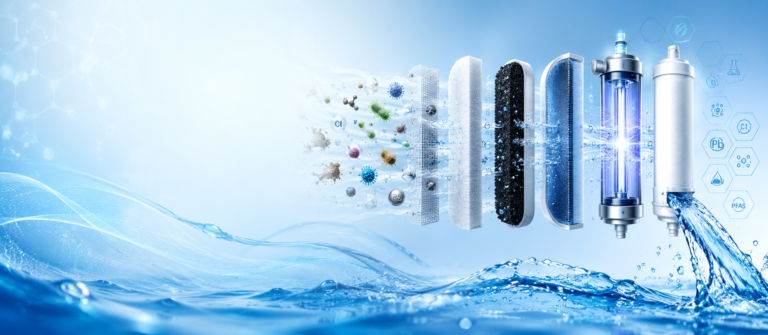
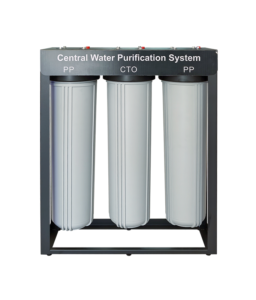
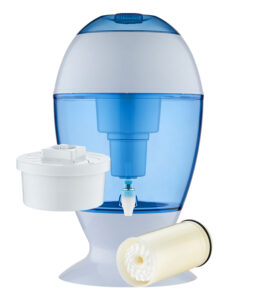
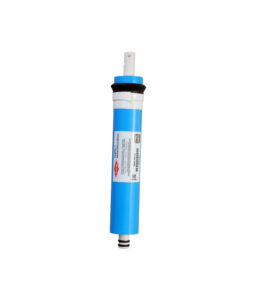
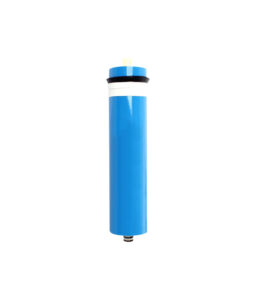
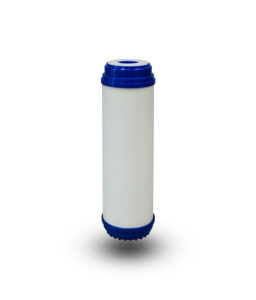
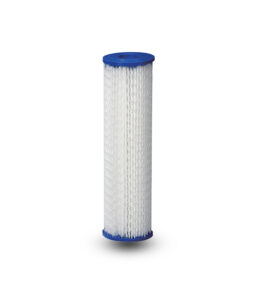
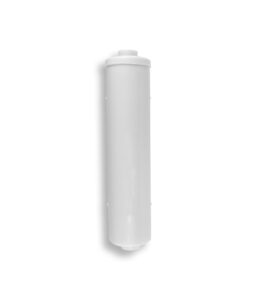
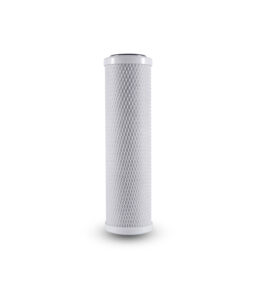
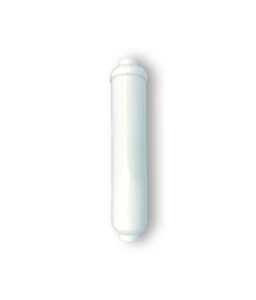
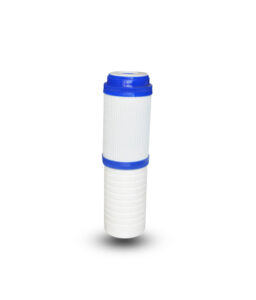
Different filtration systems remove different contaminants. Activated carbon filters improve taste and odor, reverse osmosis removes dissolved impurities, and UV purification targets microorganisms. Choosing the correct system depends on your water quality needs.
Myth 4: Water Filtration Removes Healthy Minerals
Modern reverse osmosis systems can include remineralization stages that restore beneficial minerals such as calcium and magnesium after filtration.
Myth 5: Clear Water Means Clean Water
Water can appear clean while still containing bacteria, lead, or chemical pollutants. Regular testing and filtration are essential for safe drinking water.
Why Understanding Water Purification Myths Matters
Believing outdated water purification myths can lead to poor water quality decisions and unnecessary costs. Modern filtration systems help improve taste, reduce contaminants, and provide reliable access to cleaner drinking water for homes and businesses across South Africa.
Choosing the Right Water Filtration System
The best purification solution depends on your water source and contamination levels. Reverse osmosis, activated carbon filtration, and UV purification each offer different benefits. Combining technologies often delivers the best results.
FAQ
What are the most common water purification myths?
Some of the most common myths include believing bottled water is always safer, boiling water removes all contaminants, and all filters work the same way.
Do water purification systems really work?
Yes. High-quality purification systems remove contaminants, improve taste, and provide safer drinking water when properly maintained.
Is reverse osmosis better than carbon filtration?
Reverse osmosis removes more dissolved contaminants, while carbon filtration improves taste and odor. Many systems combine both technologies.
How often should water filters be replaced?
Most filters should be replaced every 3–12 months depending on water quality and system usage.
CTA
Looking for trusted water purification solutions in South Africa? Explore Puricom’s advanced residential and commercial filtration systems for cleaner, safer drinking water.