Water Contaminants South Africa: 5 Common Types & How to Remove Them
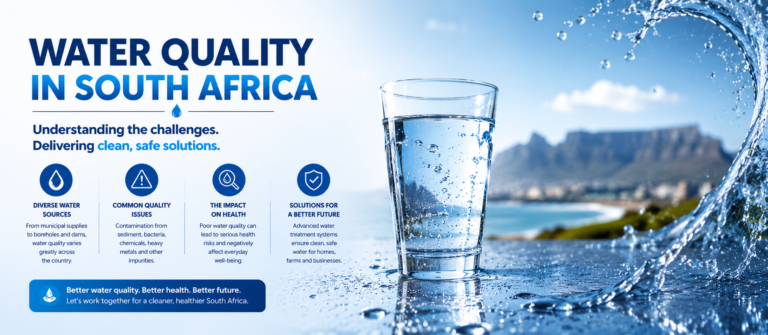
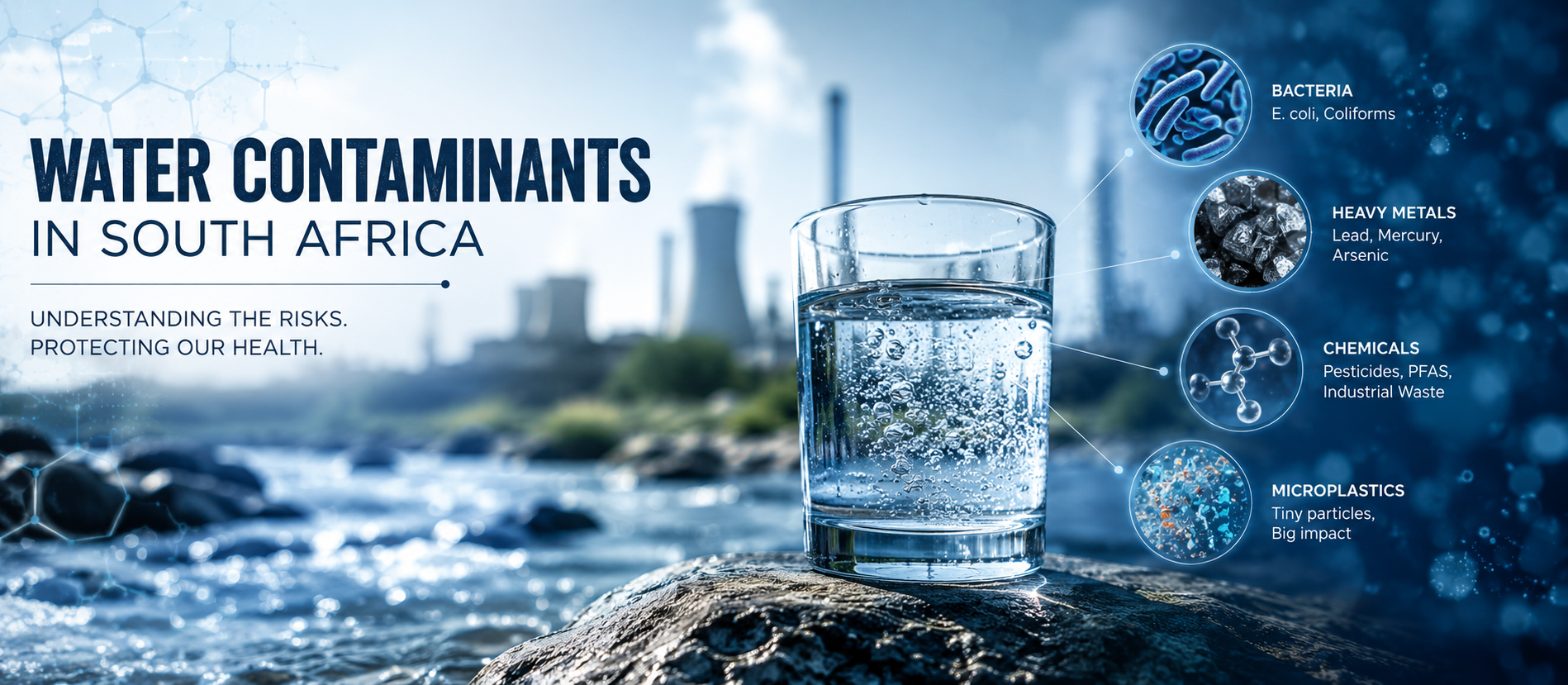
Water contaminants that South African households face today are becoming more common due to aging infrastructure, environmental pollution, and inconsistent water treatment processes. These contaminants can affect taste, safety, and long-term health if not properly removed.
Understanding the different types of water contaminants is the first step toward choosing the right water purification system for your home or business.
What Are Water Contaminants?
Water contaminants are unwanted substances found in drinking water that can negatively affect its quality. These may include biological organisms, chemicals, heavy metals, or physical particles.
Even treated municipal water in South Africa can still contain trace contaminants by the time it reaches your tap.
1. Biological Contaminants
Biological contaminants include harmful microorganisms such as
- Bacteria
- Viruses
- Parasites
These contaminants can enter water through sewage leaks, animal waste, or poorly maintained water systems.
Risks:
- Stomach infections
- Diarrhoea
- Severe illness in vulnerable individuals
2. Chemical Contaminants
Chemical contaminants are widely found in municipal and industrial water sources.
Common examples include:
- Chlorine
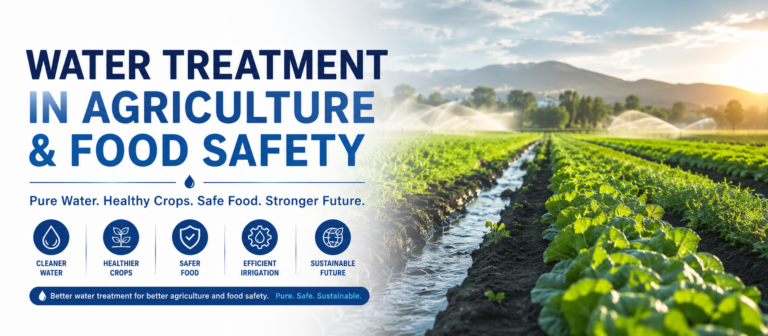
- Pesticides
- Fertiliser residues
While chlorine is used for disinfection, excessive levels can affect taste and cause skin irritation.
3. Heavy Metals in Water
Heavy metals can enter water through old pipes, industrial waste, or natural deposits.
Common heavy metals include:
- Lead
- Mercury
- Arsenic
- Iron
Risks:
- Long-term health complications
- Neurological damage (in severe cases)
- Metallic taste in drinking water
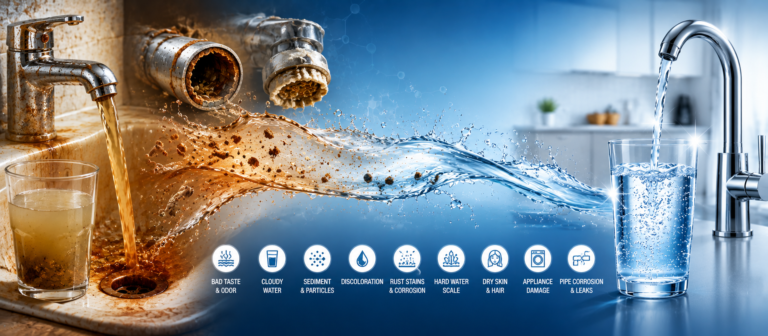
4. Physical Contaminants
Physical contaminants are visible or suspended particles in water such as:
- Sand
- Rust
- Dirt
- Sediment
These usually come from aging pipelines or disturbed water systems.
Effects:
- Cloudy water
- Blocked plumbing systems
- Damage to appliances
5. Emerging Contaminants
Emerging contaminants include newer pollutants that are harder to detect, such as:
- Pharmaceuticals
- Hormones
- Industrial chemicals
These are increasingly found in water supplies worldwide, including South Africa.
How to Remove Water Contaminants
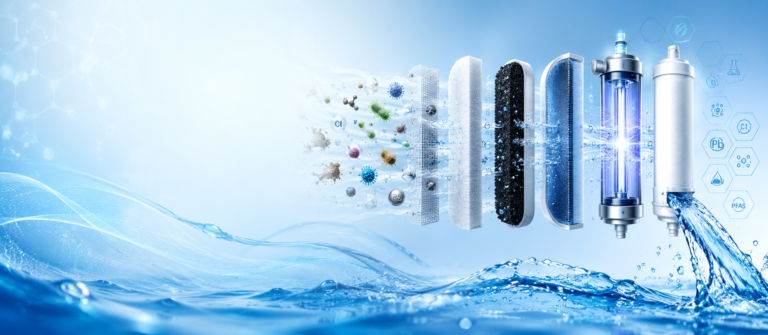
The good news is that modern water purification systems can effectively remove most contaminants.
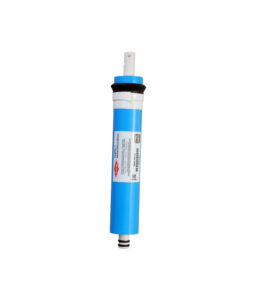
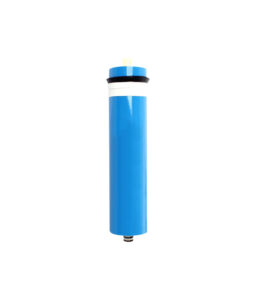
Reverse Osmosis (RO)
Removes heavy metals, chemicals, and dissolved solids.
UV Sterilisation
Kills bacteria, viruses, and parasites without chemicals.
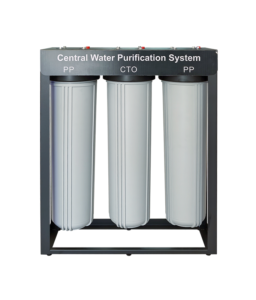
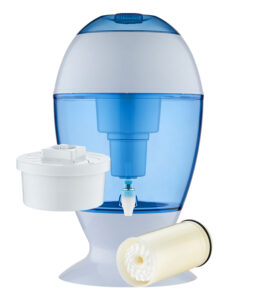
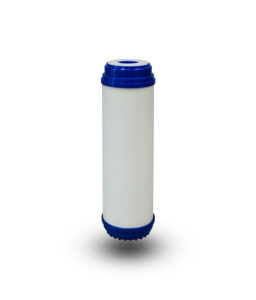
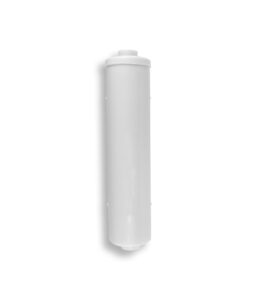
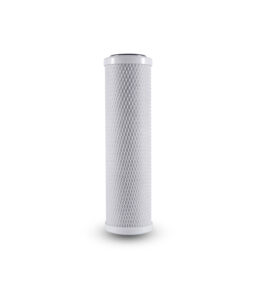
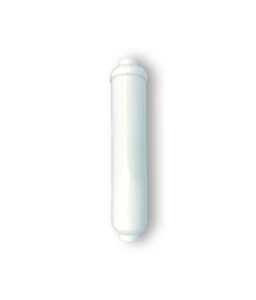
Activated Carbon Filters
Improve taste and remove chlorine and organic compounds.
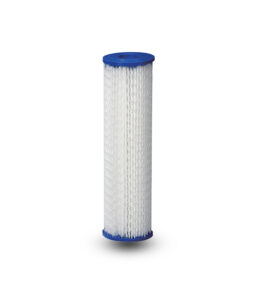
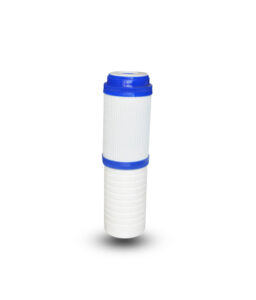
Sediment Filters
Remove dirt, rust, and visible particles.
Why Clean Water Matters
Investing in proper filtration improves:
- Drinking water safety
- Taste and smell
- Skin and hair health
- Appliance lifespan
- Overall household health
Clean water is not a luxury — it is essential for daily living.
Final Thoughts
Water contaminants in South Africa are a growing concern, but they are highly manageable with the right filtration system. Whether dealing with bacteria, heavy metals, or chemical pollutants, a tailored water purification solution ensures safe and reliable drinking water.