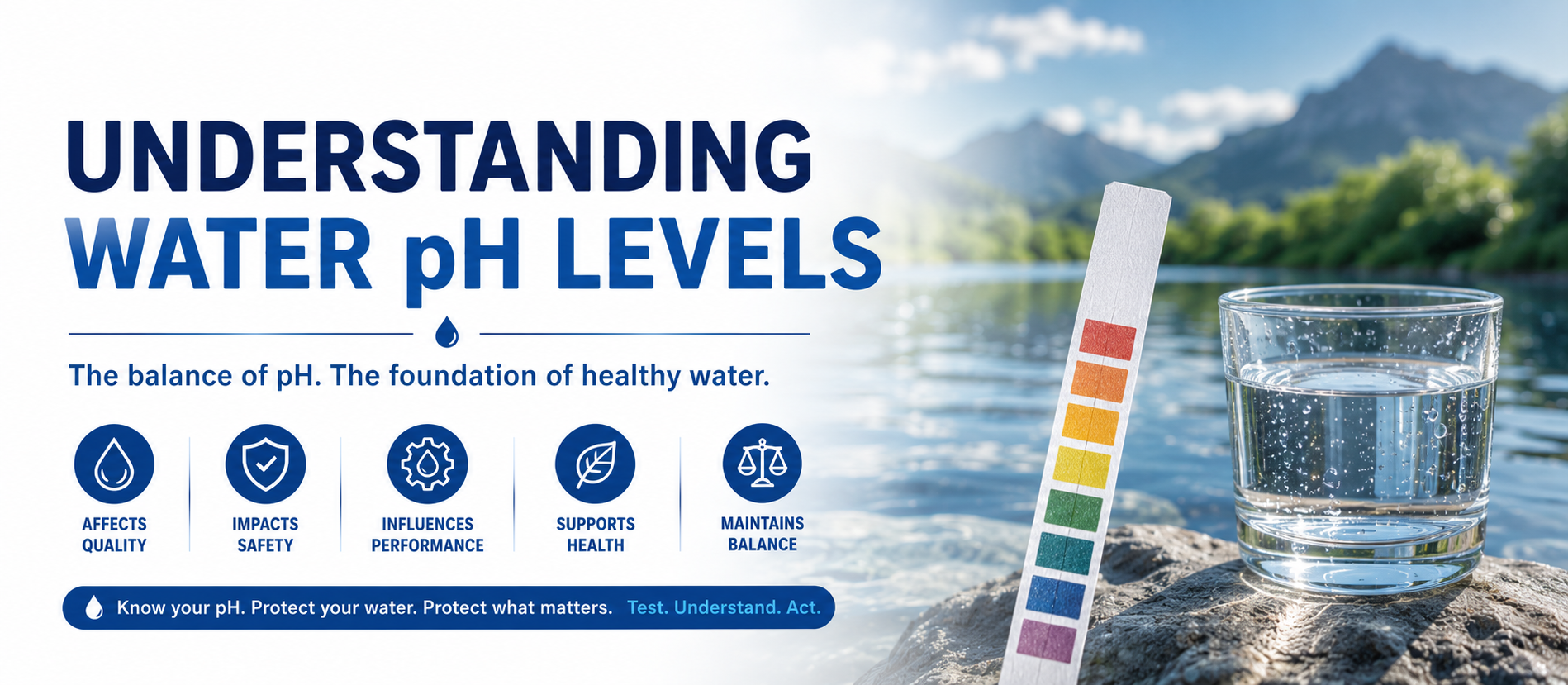
Understanding water pH levels is important for maintaining safe drinking water, protecting plumbing systems, and improving overall water quality. Acidic or alkaline water can affect taste, appliance performance, skin health, and household water safety. Monitoring water quality and using the correct filtration systems can help improve water conditions for homes and businesses.
What Are pH Levels in Water?
pH measures how acidic or alkaline water is on a scale from 0 to 14. A pH below 7 is acidic, while a pH above 7 is alkaline. Neutral water has a pH level of 7 and is generally considered balanced for household use.
How pH Affects Drinking Water Quality
Low pH water may taste sour and corrode pipes, while high pH water may taste bitter and contribute to mineral buildup in plumbing systems. Balanced water quality helps improve taste and supports safer household water use.
Acidic Water and Plumbing Damage
Acidic water can corrode metal pipes and plumbing fixtures, increasing the risk of leaks and contamination from metals such as copper and lead. Water treatment systems help reduce corrosion and improve household water quality.
Alkaline Water and Scale Build-Up
Highly alkaline water may cause scale buildup in kettles, pipes, and appliances. Mineral deposits can reduce appliance efficiency and increase long-term maintenance costs.
Water Quality and Skin Health
Unbalanced water conditions may affect sensitive skin and hair. Extremely acidic or alkaline water can contribute to dryness and irritation, especially for people with existing skin conditions.
Improving Water Quality With Filtration Systems
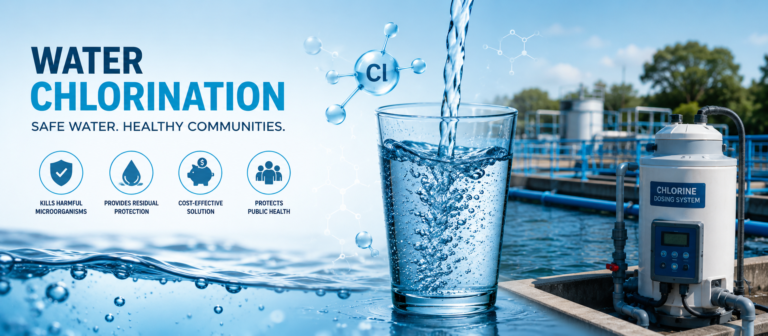
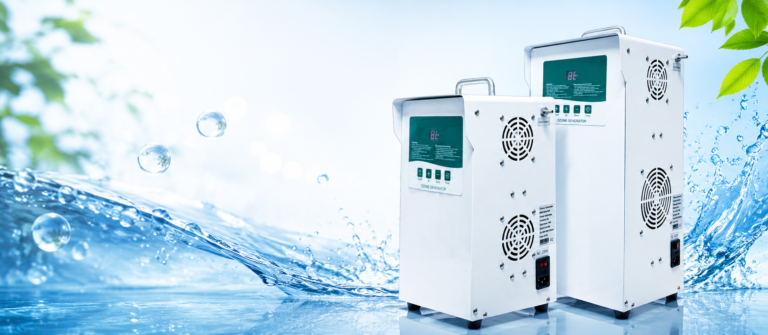
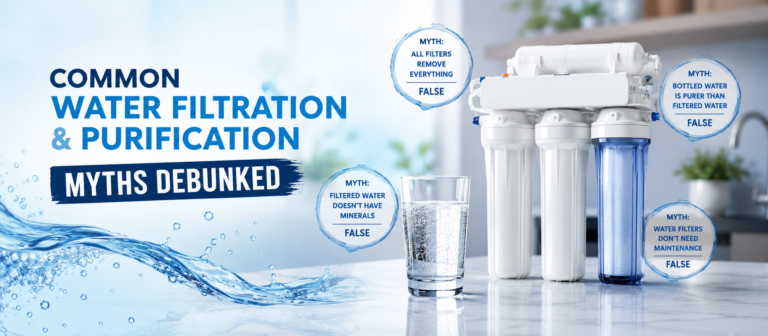
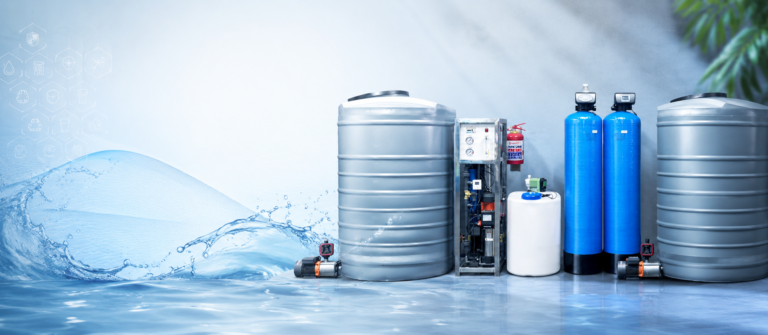
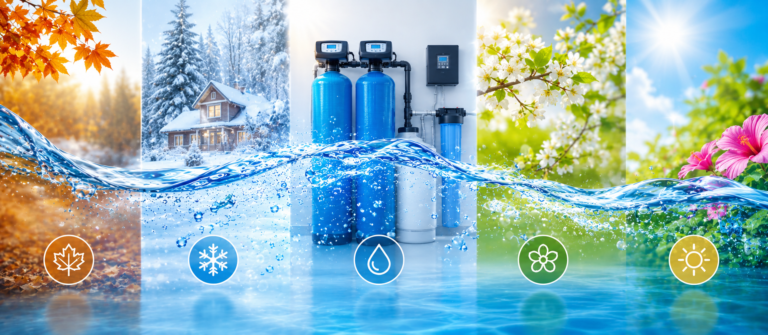
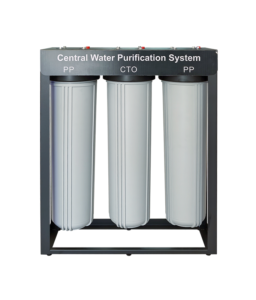
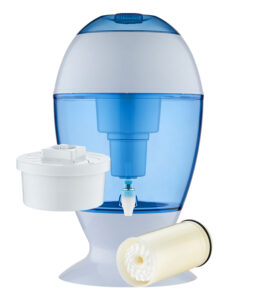
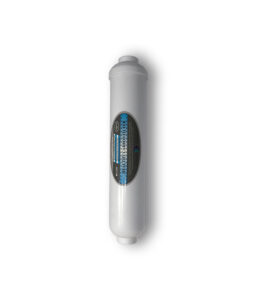
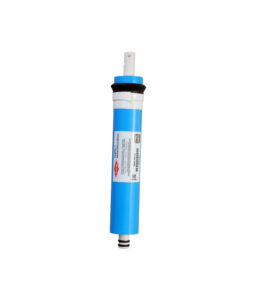
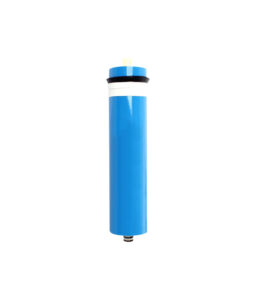
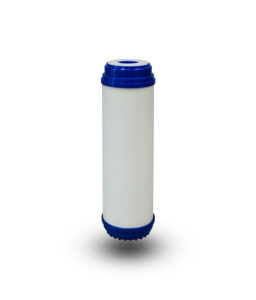
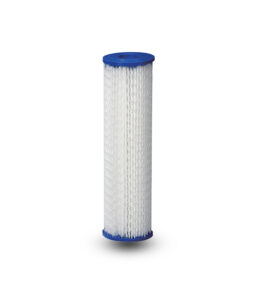
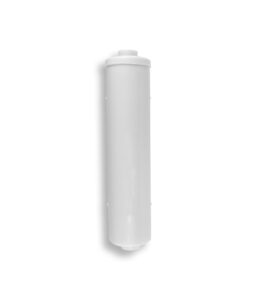
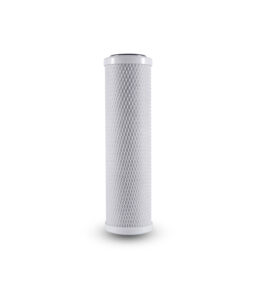
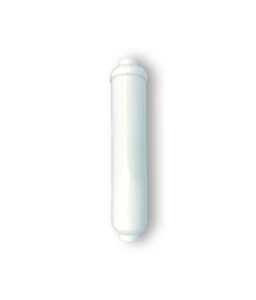
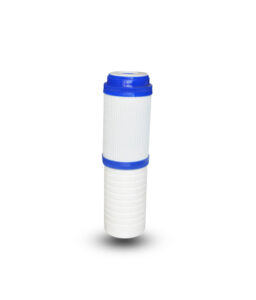
Modern filtration and purification systems help improve overall water quality and stabilize pH balance. Reverse osmosis systems, neutralizing filters, and whole-house filtration systems are commonly used for water treatment.
Common Causes of Unbalanced Water
Several factors can affect household water quality, including:
- Natural groundwater minerals
- Industrial pollution
- Agricultural runoff
- Aging plumbing systems
- Water treatment chemicals
Choosing the Right Water Treatment Solution
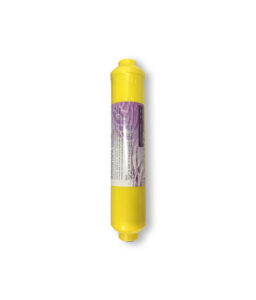
Different treatment systems address different water quality concerns. Neutralizing filters help treat acidic water, while reverse osmosis systems improve overall water quality by reducing contaminants and dissolved solids.
FAQ
What are normal water pH levels?
Most drinking water should have a pH between 6.5 and 8.5 for safe household use.
Can acidic water damage pipes?
Yes. Acidic water can corrode plumbing systems and increase the risk of metal contamination.
Is alkaline water safe to drink?
Moderately alkaline water is generally safe, but extremely high pH levels may affect taste and appliance performance.
How can water quality be improved?
Water treatment systems such as neutralizing filters and reverse osmosis systems help improve water quality and balance pH.
CTA
Discover advanced water filtration and purification systems from Puricom to improve water quality, protect plumbing systems, and support safer drinking water.