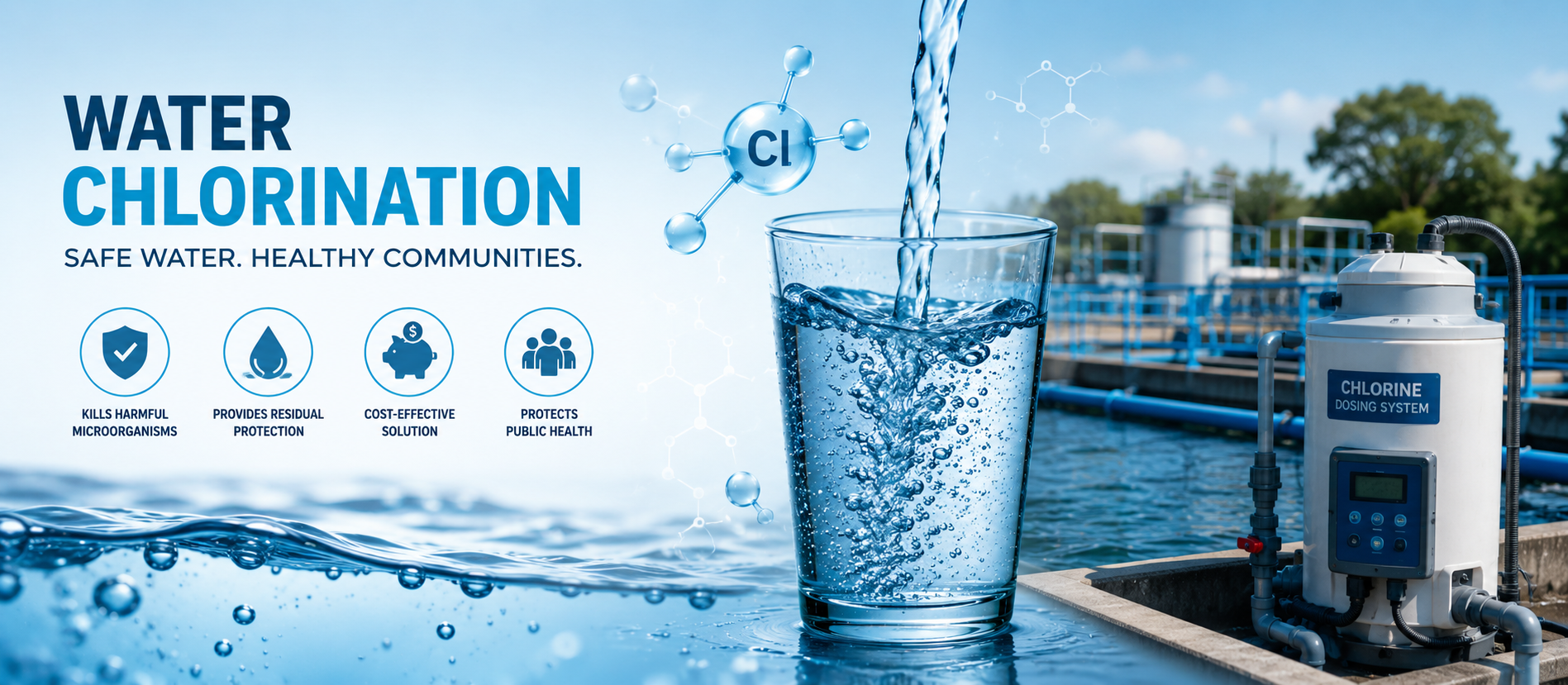
Water Chlorination: Benefits and Importance in Water Treatment
What Is Water Chlorination?
Water chlorination is a widely used disinfection process that helps make drinking water safe for human consumption. By adding controlled amounts of chlorine to water, treatment facilities can destroy harmful bacteria, viruses, and other pathogens that may cause illness. This method has been used successfully for decades and remains an essential part of modern water treatment practices.
Clean water is critical for public health, and chlorine-based disinfection continues to play a major role in maintaining water quality across residential, commercial, and industrial applications.
How Chlorine Disinfects Water
When chlorine is introduced into water, it reacts to form powerful disinfecting compounds. These compounds attack microorganisms by damaging their cell structures and disrupting their biological functions.
The treatment process generally includes:
- Adding chlorine to the water supply
- Allowing sufficient contact time for disinfection
- Monitoring residual chlorine levels
- Verifying compliance with water quality standards
A small amount of residual chlorine often remains in the water, helping protect it from contamination while it travels through pipelines and storage systems.
Benefits of Chlorine-Based Water Treatment
Effective Microbial Control
Chlorine is highly effective against many disease-causing organisms commonly found in untreated water. Its ability to neutralize harmful microbes makes it one of the most trusted disinfection methods available.
Cost-Effective Solution
Compared to many advanced treatment technologies, chlorine treatment is relatively affordable. This makes it suitable for large municipal systems as well as smaller facilities.
Residual Protection
One of the major advantages of this disinfection method is its ability to continue protecting water after treatment. The remaining disinfectant helps reduce the risk of microbial regrowth and recontamination.
Reliable Performance
For more than a century, chlorine has been used successfully to improve drinking water quality. Its proven track record contributes to its widespread adoption around the world.
Easy Implementation
Chlorine treatment systems are generally straightforward to install, operate, and maintain, making them practical for many applications.
The Role of Chlorine in Public Health
The introduction of chlorinated drinking water significantly reduced outbreaks of waterborne diseases in many parts of the world. Conditions such as cholera, typhoid fever, and dysentery became far less common where proper disinfection practices were implemented.
Today, chlorine remains one of the most important tools for safeguarding public health and ensuring access to safe drinking water.
Applications of Chlorine Disinfection
Municipal Water Supplies
Cities and municipalities use chlorine to disinfect water before distribution to homes, schools, hospitals, and businesses.
Industrial Water Systems
Industrial facilities often apply disinfection measures to control microbial growth in process water, cooling systems, and storage tanks.
Food and Beverage Processing
Many food production facilities use treated water to maintain hygiene standards and support product quality.
Emergency Water Treatment
During natural disasters and other emergencies, chlorine can provide a rapid and effective means of improving water safety.
Challenges and Limitations
Although chlorine offers many advantages, it is important to understand its limitations.
Formation of By-Products
Chlorine may react with naturally occurring organic matter in water, potentially creating disinfection by-products. Proper treatment design and monitoring can help minimize these compounds.
Taste and Odour Concerns
Some consumers may notice a slight taste or smell associated with treated water. Maintaining appropriate dosing levels helps reduce these effects.
Additional Treatment May Be Required
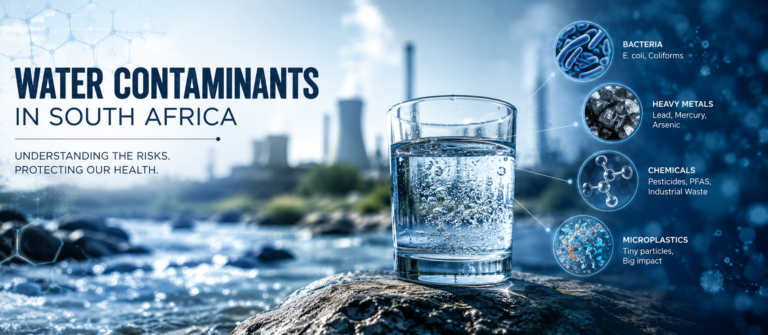
While chlorine is highly effective against many microorganisms, it does not remove all contaminants. Dissolved minerals, heavy metals, and certain chemicals may require additional treatment technologies.
Combining Chlorination with Other Treatment Methods
For enhanced water quality, chlorination is often used alongside other treatment solutions, including:
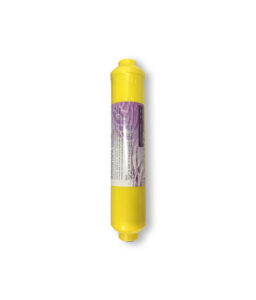
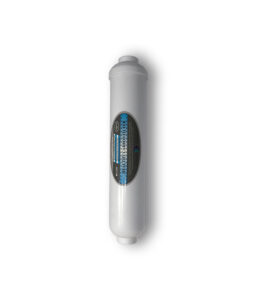
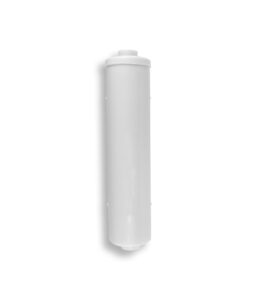
- Activated carbon filtration
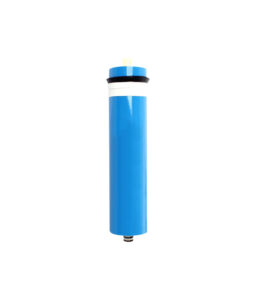
- Reverse osmosis systems
- Ultraviolet sterilization
- Multimedia filtration
- Ozone treatment
Combining multiple technologies can improve overall treatment performance and address a broader range of contaminants.
Environmental Considerations
Modern treatment facilities carefully monitor chlorine dosing to ensure effective disinfection while minimizing environmental impact. Proper handling, storage, and application practices help maintain both safety and efficiency throughout the treatment process.
Ongoing monitoring also ensures compliance with local water quality regulations and industry standards.
Conclusion
Water chlorination remains one of the most dependable methods for protecting drinking water from harmful microorganisms. Its effectiveness, affordability, and ability to provide ongoing protection make it a valuable component of modern water treatment systems.
Whether used in municipal networks, industrial operations, or emergencies, this proven disinfection method continues to support safer water supplies and improved public health. When combined with complementary technologies such as reverse osmosis, activated carbon filtration, and UV sterilization, it contributes to high-quality water treatment outcomes across a wide range of applications.