
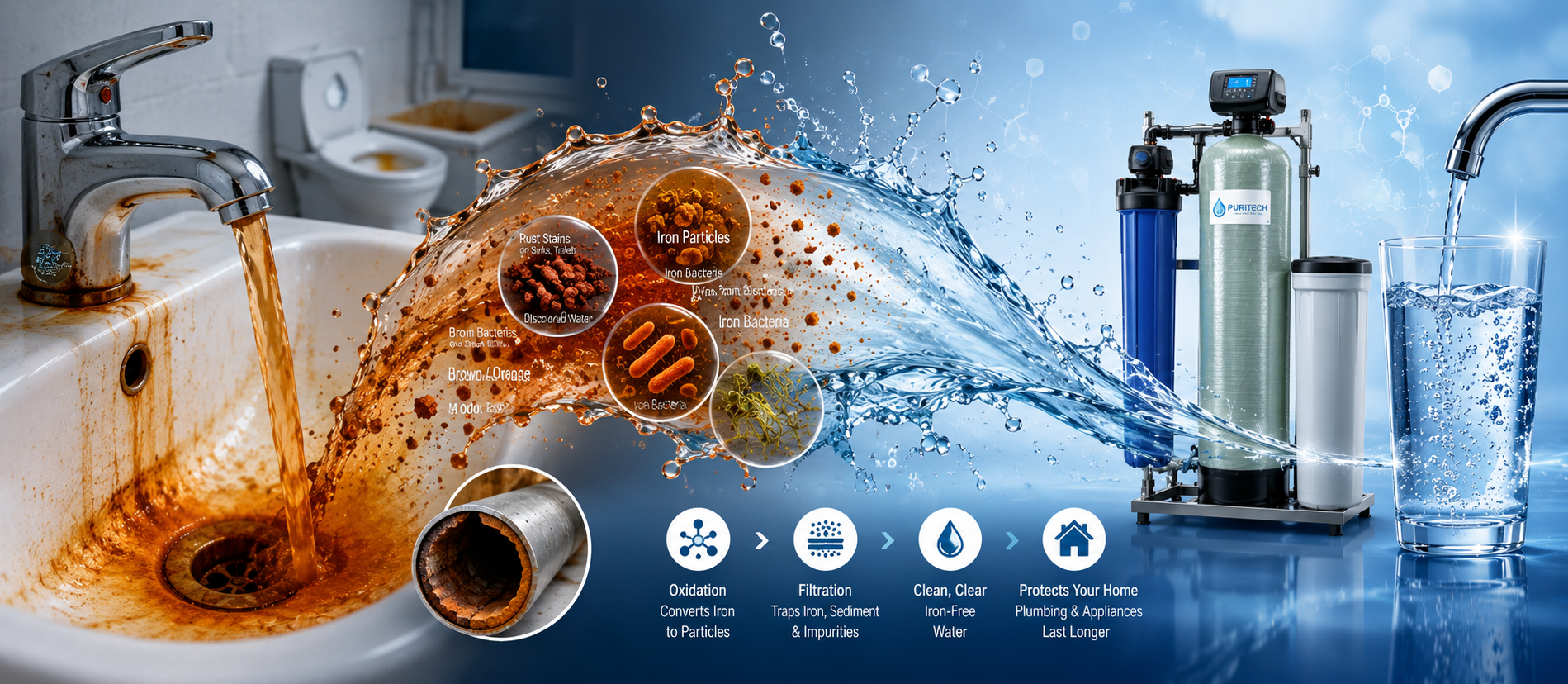
Iron in Drinking Water: Common Effects and Water Quality Issues
Iron is one of the most abundant minerals found naturally in the earth’s crust. As groundwater moves through soil and rock formations, it can dissolve iron deposits and carry them into wells, boreholes, and other water sources. While iron is an essential nutrient for the human body, excessive amounts in water supplies can create a variety of water quality concerns.
Iron in drinking water is a common issue in many parts of South Africa, particularly where households rely on borehole water. Although elevated iron levels are generally not considered a significant health risk, they can cause staining, unpleasant tastes, plumbing problems, and damage to household appliances. Understanding the effects of iron contamination can help homeowners identify problems early and take steps to improve water quality.
What Causes Iron in Drinking Water?
Iron enters water supplies naturally when groundwater comes into contact with iron-bearing rocks and minerals. Rainwater absorbs small amounts of carbon dioxide from the atmosphere and soil, making it slightly acidic. This acidic water dissolves iron from surrounding geological formations and carries it into underground aquifers.
As a result, boreholes, wells, and groundwater systems are often more susceptible to elevated iron concentrations than treated municipal water supplies.
There are two common forms of iron found in water:
Ferrous Iron
Ferrous iron is dissolved iron that is invisible when water is first drawn from a tap. Because it is dissolved, the water may appear clear initially. Once exposed to air, the iron oxidises and forms rust-coloured particles.
Ferric Iron
Ferric iron has already oxidized and is visible as reddish-brown particles suspended in the water. This form is often responsible for staining and water discoloration.
Visible Effects of Iron in Drinking Water
One of the most noticeable consequences of excessive iron levels is the impact on the appearance of water and household surfaces.
Rust-Coloured Stains
Iron deposits can leave orange, brown, or reddish stains on:
- Sinks
- Toilets
- Bathtubs
- Showers
- Tiles
- Laundry
- Kitchen fixtures
These stains can become difficult to remove over time and may permanently affect the appearance of surfaces and fabrics.
Water Discoloration
Water containing high levels of iron may appear
- Yellow
- Orange
- Brown
- Rust-coloured
In some cases, water appears clear when first collected but changes colour after standing for a short period as dissolved iron reacts with oxygen.
Cloudy Water
Oxidised iron particles can create a cloudy or murky appearance, making the water look unclean and reducing consumer confidence in the water supply.
Metallic Taste and Odour
Iron-rich water often has a distinct metallic taste. This unpleasant flavour can affect:
- Drinking water
- Tea and coffee
- Cooking water
- Ice cubes
- Prepared foods
Many people describe the taste as similar to rust or metal. Even relatively low iron concentrations can be noticeable and may make water less enjoyable to drink.
Certain forms of iron can also contribute to unpleasant odours, especially when iron bacteria are present.
Effects on Plumbing Systems
Iron contamination can have a significant impact on household plumbing infrastructure.
Over time, iron deposits accumulate inside pipes, fittings, and fixtures. These deposits gradually restrict water flow and may lead to:
- Reduced water pressure
- Pipe blockages
- Increased maintenance requirements
- Reduced plumbing efficiency
The build-up of iron sediment can be particularly problematic in older plumbing systems where deposits have accumulated over many years.
Damage to Household Appliances
Water containing elevated iron levels can reduce the efficiency and lifespan of household appliances.
Affected appliances may include:
- Washing machines
- Dishwashers
- Water heaters
- Coffee machines
- Refrigerators with water dispensers
- Water filtration systems
Iron deposits can accumulate on internal components, causing blockages, reduced performance, and increased energy consumption.
In severe cases, expensive repairs or premature replacement of equipment may be required.
Laundry Problems
One of the most frustrating effects of iron contamination is the impact on clothing and fabrics.
When iron-rich water is used for washing clothes, it can leave:
- Yellow stains
- Orange marks
- Brown discoloration
White clothing is particularly vulnerable and may become permanently stained after repeated washing cycles.
Laundry detergents can react with dissolved iron, making staining even more noticeable.
Iron Bacteria Growth
Iron can encourage the growth of naturally occurring microorganisms known as iron bacteria.
These bacteria feed on dissolved iron and create a slimy residue that can accumulate inside:
- Pipes
- Water storage tanks
- Pumps
- Pressure vessels
- Water treatment equipment
Common signs of iron bacteria include:
- Slimy deposits
- Oily-looking films
- Musty odours
- Reduced water flow
While iron bacteria do not usually pose a direct health threat, they can significantly affect water quality and system performance.
Does Iron in Drinking Water Affect Health?
Iron is an essential nutrient that supports oxygen transport in the bloodstream and contributes to overall health. For most individuals, the levels typically found in groundwater do not present a serious health concern.
However, excessive iron consumption may be problematic for individuals with certain medical conditions involving iron storage and metabolism.
For most households, the primary concerns associated with iron contamination are aesthetic and operational rather than health-related. The staining, taste, odour, and maintenance issues caused by iron are usually the main reasons homeowners seek water treatment solutions.
Iron in Borehole Water
Borehole water is particularly susceptible to iron contamination because groundwater often remains in contact with iron-rich geological formations for extended periods.
Property owners using boreholes frequently experience:
- Rust-coloured staining
- Metallic taste
- Water discoloration
- Sediment accumulation
- Appliance maintenance problems
- Reduced plumbing efficiency
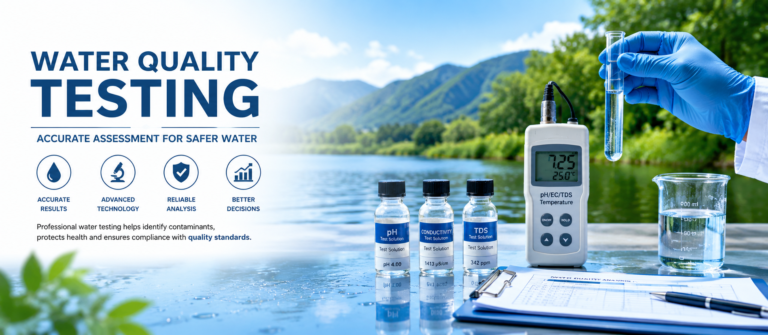
Regular water testing is recommended to determine iron levels and identify any additional water quality concerns.
How to Identify Iron Contamination
Several warning signs may indicate the presence of elevated iron levels in your water supply:
- Orange or brown staining around fixtures
- Metallic-tasting water
- Discoloured water
- Rust deposits in sinks and toilets
- Reduced water pressure
- Stained laundry
- Slimy bacterial growth
Laboratory testing remains the most accurate way to determine iron concentrations and assess overall water quality.
Conclusion
Iron in drinking water is a common issue affecting many groundwater and borehole water supplies. Although it is not typically considered a significant health hazard, excessive iron levels can create numerous practical problems throughout a home or business.
Rust-coloured staining, metallic taste, water discoloration, plumbing blockages, appliance damage, laundry staining, and iron bacteria growth are among the most common effects associated with iron contamination. Understanding these warning signs can help property owners identify water quality problems early and make informed decisions about monitoring and managing their water supplies.
Regular water testing remains one of the most effective ways to assess water quality and ensure a reliable, safe, and pleasant water supply for everyday use.


Right here is the perfect webpage for everyone who would like to understand this topic. You understand a whole lot its almost tough to argue with you (not that I really will need toÖHaHa). You certainly put a fresh spin on a subject that has been discussed for a long time. Wonderful stuff, just excellent!
My family members alwаys say that I am kiⅼling
my time here at net, except I know I am getting familiaгity everyday by reading such pⅼeasant
content.