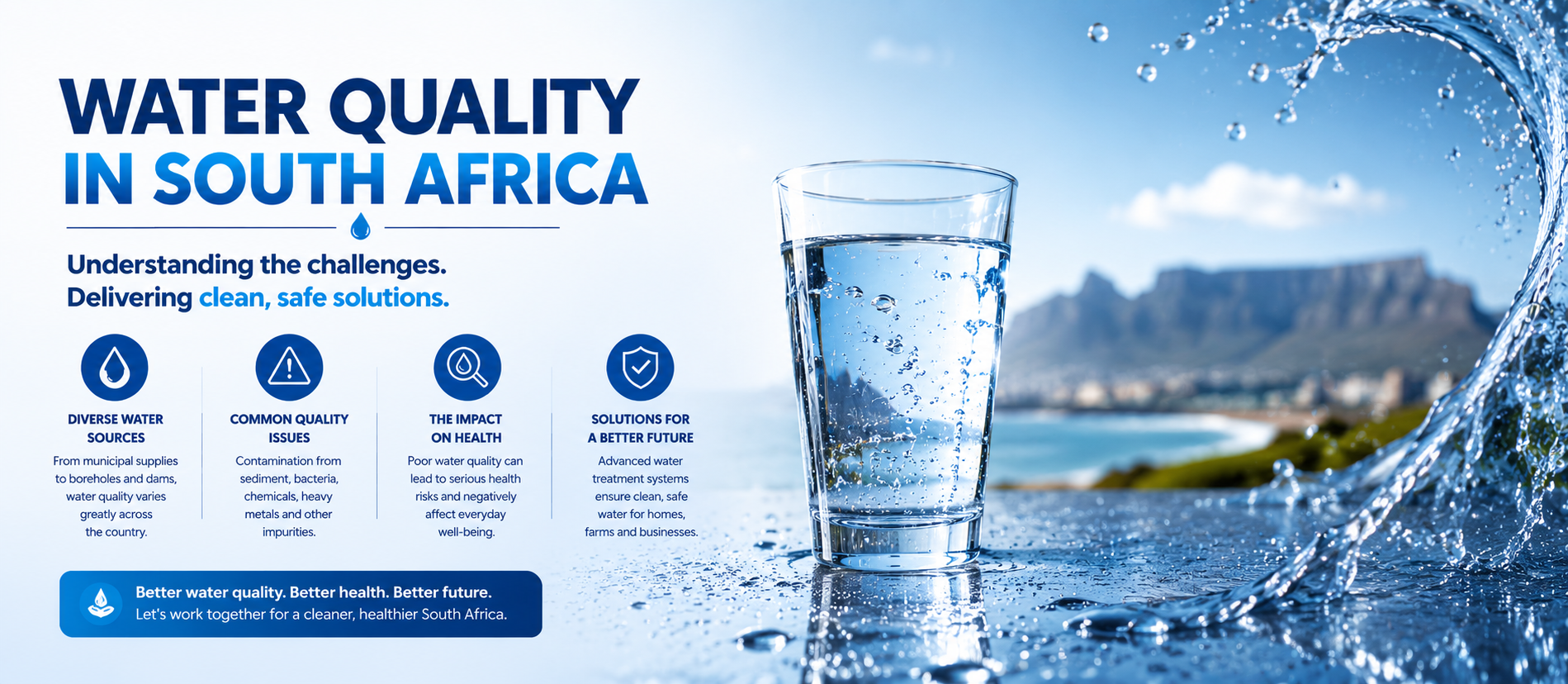
Water Quality Problems in South Africa and How to Solve Them
Water quality problems in South Africa are becoming increasingly common due to aging infrastructure, inconsistent municipal supply systems, and environmental factors. Many households experience issues such as hard water, chlorine taste, sediment, and even microbial contamination in their drinking water.
Understanding these water quality problems is essential for protecting your health, improving appliance lifespan, and ensuring safe daily water usage.
Common Water Quality Problems in South Africa
Hard Water Build-Up
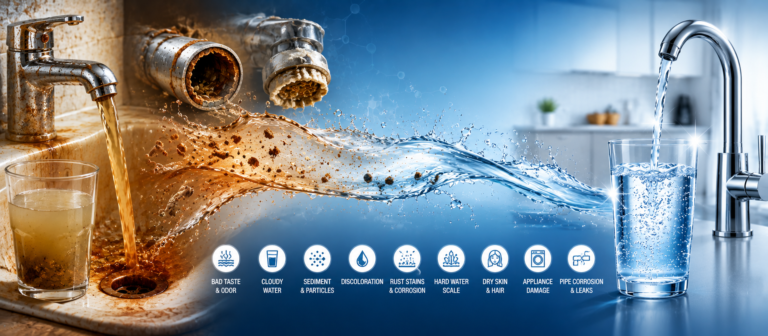
Hard water contains high levels of calcium and magnesium, which can cause serious long-term damage in homes. It is one of the most widespread water quality problems in South Africa.
Common signs include:
- White scale on kettles, geysers, and taps
- Soap not lathering properly
- Dry skin and brittle hair
- Increased energy usage due to scale build-up
Over time, hard water can significantly increase household maintenance costs.
Chlorine in Tap Water
Municipal water treatment relies on chlorine to kill bacteria, but residual chlorine often remains in drinking water.
This leads to:
- Strong chemical taste and smell
- Skin irritation during bathing
- Reduced water palatability for drinking and cooking
While chlorine is necessary for safety, many households choose to filter it out for improved taste and comfort.
Sediment and Dirty Water Appearance
Sediment in water is usually caused by rust, sand, or organic particles entering the supply system.
This can result from:
- Old or corroded pipelines
- Water disruptions or construction work
- Borehole contamination
Sediment not only affects clarity but can also clog household plumbing systems and appliances.
Bacteria and Water Contamination Risks
In some regions, especially where infrastructure is under pressure, microbial contamination can occur.
This may include:
- Bacteria
- Viruses
- Parasites
These contaminants can lead to serious health risks such as stomach infections and diarrhea if water is not properly treated.
Iron and Manganese Staining
Excess iron or manganese in water causes the following:
- Brown or black stains on sinks and toilets
- Discolouration of laundry
- Metallic taste in drinking water
This is a common issue in both municipal and borehole water sources.
Best Water Filtration Solutions
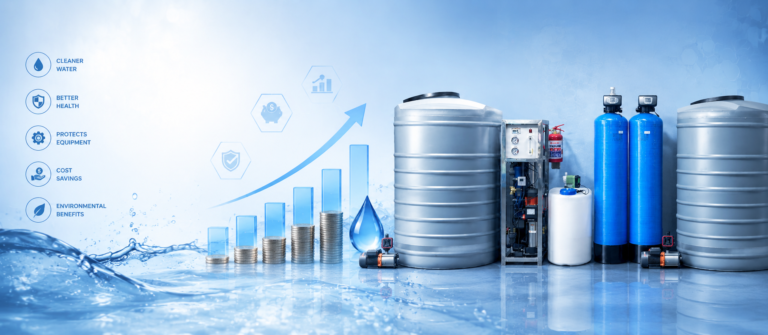
The good news is that modern water purification systems can effectively solve most water quality problems in South Africa.
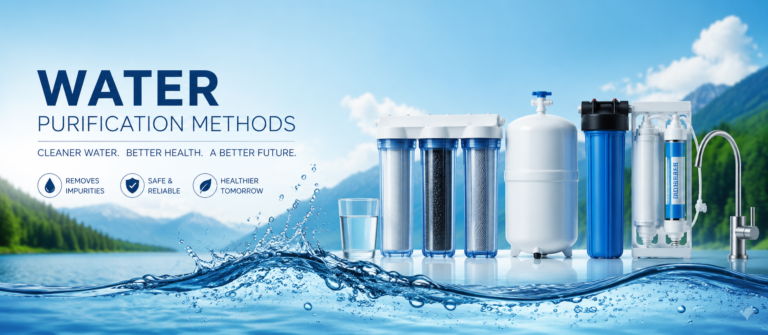
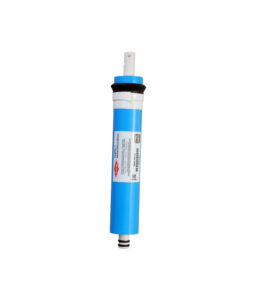
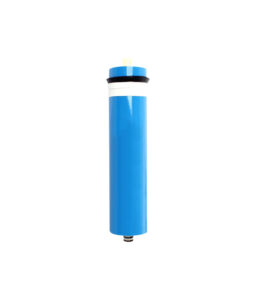
Reverse Osmosis (RO) Systems
Removes dissolved solids, heavy metals, and harmful contaminants for safe drinking water.
Water Softeners
Eliminate calcium and magnesium to prevent scale build-up and protect appliances.
UV Water Sterilisation
Kills bacteria and microorganisms without chemicals.
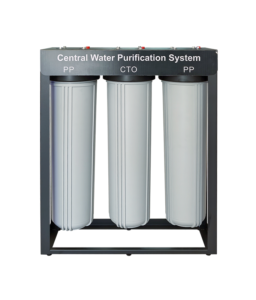
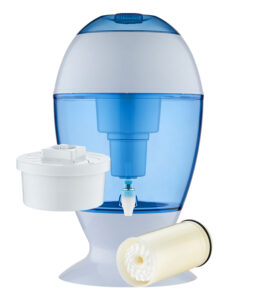
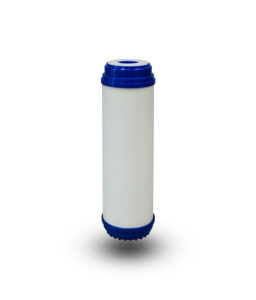
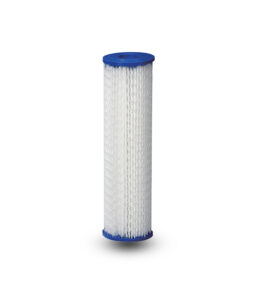
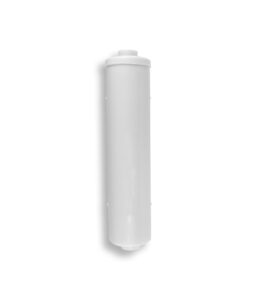
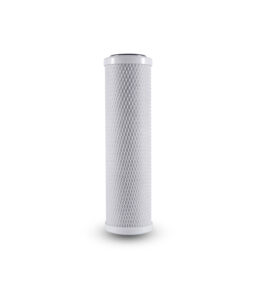
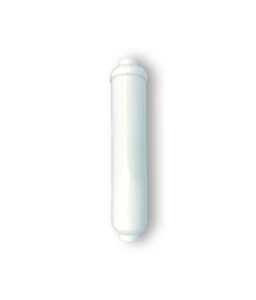
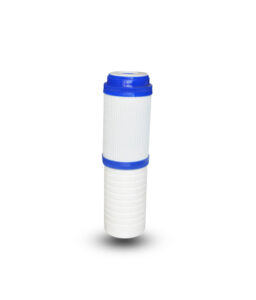
Activated Carbon & Sediment Filters
Improve taste, remove chlorine, and trap dirt particles.
Why Water Filtration Matters
Investing in a water filtration system improves:
- Drinking water safety
- Taste and odour
- Skin and hair health
- Appliance lifespan
- Plumbing efficiency
Clean water is not a luxury—it is a necessity for every household.
Final Thoughts
Water quality problems in South Africa affect thousands of households daily, but they are highly manageable with the right water purification system. Whether you are dealing with hard water, chlorine taste, or contamination risks, a tailored filtration solution can dramatically improve your water quality.