Water Treatment for Food and Beverage Manufacturing: Protecting Product Quality and Production Efficiency
Water is one of the most important ingredients in the food and beverage industry. In many manufacturing facilities, it becomes part of the final product. In others, it supports production through cooking, mixing, washing, rinsing, cleaning, steam generation, cooling, and sanitation.
Regardless of how it is used, water quality has a direct impact on product consistency, equipment reliability, production efficiency, and operating costs.
A beverage manufacturer cannot produce consistently great-tasting drinks if the incoming water quality changes. A dairy processor relies on clean water for production and cleaning, while bakeries, breweries, meat processors, bottling plants, and juice manufacturers all depend on water that is suitable for their specific processes.
Poor water quality can lead to scale formation, corrosion, inconsistent product quality, equipment damage, higher maintenance costs, and unnecessary production downtime. These challenges can affect profitability and, in some cases, damage a company’s reputation.
Because every facility uses water differently, there is no universal treatment solution. Every food and beverage water treatment system should begin with a professional laboratory water analysis. Understanding the source water allows engineers to design a treatment system that meets the manufacturer’s operational requirements while protecting production equipment and supporting consistent product quality.
In this guide, we’ll explore why water treatment is essential in food and beverage manufacturing, where water is used throughout production, the challenges manufacturers commonly face, and the treatment technologies that help improve efficiency and product quality.
Why Water Quality Matters in Food and Beverage Manufacturing
Water influences almost every stage of food and beverage production.
Whether it is incorporated into the product or used as a utility, poor water quality can affect:
- Product taste.
- Product appearance.
- Product consistency.
- Cleaning effectiveness.
- Equipment reliability.
- Production efficiency.
- Energy consumption.
- Maintenance costs.
- Product shelf life.
Maintaining consistent water quality helps manufacturers deliver products that meet customer expectations while supporting efficient production.
Where Water Is Used in Food and Beverage Manufacturing
Different sectors use water in different ways.
Some manufacturers require purified water for ingredients, while others focus on protecting equipment from scale and corrosion.
Ingredient: Water
For many manufacturers, water becomes part of the finished product.
Examples include:
- Bottled water.
- Soft drinks.
- Fruit juices.
- Flavored beverages.
- Dairy products.
- Soups.
- Sauces.
- Ice production.
The quality of ingredient water directly influences the taste, appearance, and consistency of the finished product.
Reverse osmosis, activated carbon filtration, UV sterilization, and other treatment technologies may be used depending on the production requirements and the results of a professional laboratory water analysis.
Food Preparation
Water is used throughout food preparation for:
- Mixing ingredients.
- Washing raw materials.
- Cooking.
- Steam generation.
- Rinsing.
Maintaining suitable water quality helps improve production consistency while supporting efficient manufacturing processes.
Cleaning and Sanitation
Cleaning is one of the largest water consumers in food manufacturing.
Water supports:
- Equipment cleaning.
- Production line cleaning.
- Container washing.
- Floor cleaning.
- Sanitation procedures.
Depending on the application, water treatment may improve cleaning performance while helping protect equipment from scale and mineral deposits.
Boiler Feed Water
Steam plays an important role in many food manufacturing facilities.
Boilers provide steam for the following:
- Cooking.
- Heating.
- Sterilization.
- Cleaning processes.
Untreated water may cause the following:
- Scale formation.
- Corrosion.
- Reduced heat transfer.
- Increased energy consumption.
- Premature equipment failure.
Water softeners, reverse osmosis systems, chemical dosing, and pH correction are commonly used to protect boiler systems.
Cooling Systems
Many food factories rely on cooling systems during production.
Poor water quality can contribute to:
- Scale.
- Corrosion.
- Biological growth.
- Reduced heat transfer.
- Higher energy consumption.
Proper treatment helps maintain reliable cooling performance while reducing maintenance requirements.
Common Water Quality Challenges
Although every production facility differs, manufacturers commonly encounter the following:
- High hardness.
- Chlorine.
- Sediment.
- Iron.
- Manganese.
- Elevated Total Dissolved Solids (TDS).
- Variable municipal water quality.
- Borehole water contaminants.
- Seasonal changes in water quality.
These issues can affect both production quality and equipment performance.
Why Every Food Manufacturer Needs a Professional Laboratory Water Analysis
Many businesses ask:
“Which water treatment system do we need?”
The answer depends entirely on the characteristics of the incoming water.
A professional laboratory water analysis identifies the contaminants, mineral content, and overall water quality.
Typical parameters include the following:
- pH.
- Total Dissolved Solids (TDS).
- Electrical Conductivity (EC).
- Turbidity.
- Hardness.
- Iron.
- Manganese.
- Chlorides.
- Sulphates.
- Nitrates.
- Fluoride.
- Sodium.
- Silica.
- Microbiological parameters.
These results allow engineers to recommend a treatment solution that supports both production efficiency and product quality.
Without accurate laboratory results, equipment selection becomes guesswork, increasing the risk of underperforming systems or unnecessary expenditure.
Case Study 1: Beverage Bottling Plant
A beverage manufacturer experiences inconsistent product taste despite following the same production recipe.
Customer feedback indicates slight flavor differences between production batches.
A professional laboratory water analysis reveals:
- Seasonal changes in Total Dissolved Solids (TDS).
- Elevated hardness.
- Moderate chlorine levels.
Recommended Treatment
- Sediment filtration.
- Activated carbon filtration.
- Water softener.
- Reverse osmosis.
- UV sterilization.
- Food-grade storage tanks.
Results
Following installation, the manufacturer reports:
- Consistent product flavor.
- Improved production consistency.
- Better protection of filling equipment.
- Reduced scale formation.
- Lower maintenance costs.
- Greater customer satisfaction.
Why Custom System Design Matters
No two food or beverage manufacturers are exactly alike.
A dairy processor, bakery, brewery, juice producer, bottled water plant, and meat processing facility all have different production methods, equipment, and water quality requirements.
For this reason, Puritech designs every food and beverage water treatment system around three key factors:
- A recent professional laboratory water analysis.
- The manufacturer’s production processes.
- Current and future water demand.
This approach helps ensure the treatment system delivers reliable performance while supporting product quality and long-term operational efficiency.
Water Treatment Technologies for Food and Beverage Manufacturing
Every food and beverage manufacturing facility has unique water quality requirements. A bottled water plant, for example, requires different treatment processes from a dairy, brewery, bakery, meat processing facility, or fruit juice manufacturer.
Some manufacturers require extremely high-quality water that becomes part of the final product, while others focus on protecting production equipment, steam boilers, cooling systems, and cleaning processes.
For this reason, food and beverage water treatment systems should always be designed using the results of a professional laboratory water analysis, together with a detailed assessment of the manufacturing process.
Most facilities benefit from a multi-stage treatment system rather than relying on a single filtration technology.
Multimedia Filtration
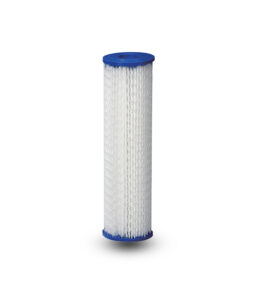
Multimedia filtration is often the first stage in an industrial food and beverage water treatment system.
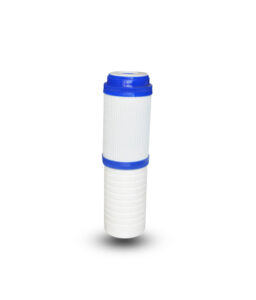
Unlike a standard sediment filter, multimedia filters contain several layers of filtration media that capture suspended particles of different sizes.
They help remove:
- Sand
- Silt
- Rust
- Clay
- Organic matter
- Suspended solids
This stage protects downstream equipment such as activated carbon filters, water softeners, reverse osmosis membranes, UV systems, pumps, and production equipment.
Where municipal infrastructure is aging, or borehole water is used, multimedia filtration can significantly improve system reliability.
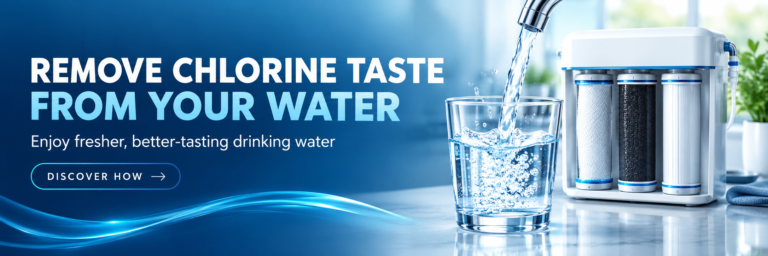
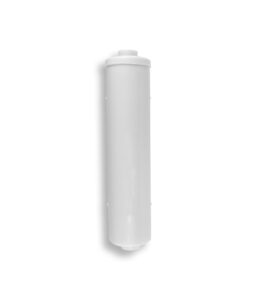
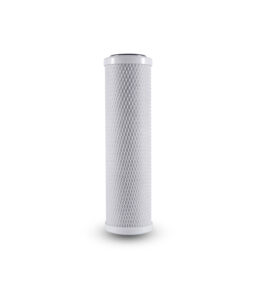
Activated Carbon Filtration
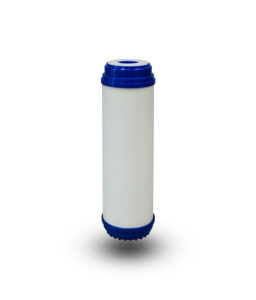
Activated carbon plays an important role in many food and beverage applications.
It helps reduce:
- Chlorine
- Chloramine (where present)
- Taste
- Odours
- Organic compounds
Removing chlorine is particularly important because it can:
- Affect the flavor of beverages.
- Damage reverse osmosis membranes.
- Influence certain food manufacturing processes.
For this reason, activated carbon filtration is commonly installed before reverse osmosis systems and in production lines where taste consistency is essential.
Water Softeners
Hard water can create significant challenges in food manufacturing.
Calcium and magnesium contribute to scale formation inside.
- Boilers
- Steam generators
- Heat exchangers
- Pasteurisers
- Coffee equipment
- Mixing vessels
- Production pipework
Even a thin layer of scale reduces heat transfer efficiency, increasing energy consumption while shortening equipment life.
A properly sized water softener exchanges hardness minerals for sodium ions, dramatically reducing scale formation.
Many manufacturers recover their investment in water softening through lower maintenance costs and improved energy efficiency.
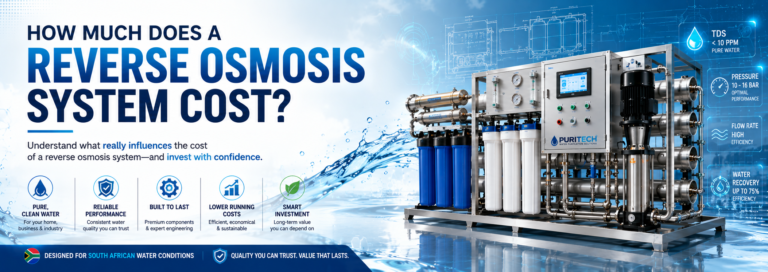
Reverse Osmosis Systems
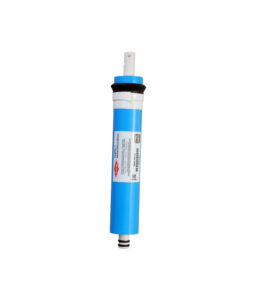
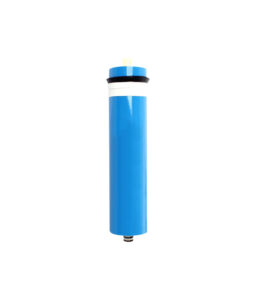
Reverse osmosis (RO) is widely used throughout the food and beverage industry because it removes many dissolved contaminants while producing consistently high-quality water.
Reverse osmosis can significantly reduce:
- Total Dissolved Solids (TDS)
- Hardness
- Nitrates
- Fluoride
- Sulphates
- Chlorides
- Heavy metals
- Many organic compounds
Depending on the production process, RO water may be used for:
- Ingredient: water.
- Beverage production.
- Final product formulation.
- Equipment rinsing.
- Boiler feed water.
- Steam generation.
- Laboratory applications.
Consistent water quality supports consistent product quality.
UV Water Sterilisation
Ultraviolet sterilization provides an additional level of microbiological protection without changing the taste, odor, or chemical composition of the water.
UV systems are commonly installed:
- After reverse osmosis.
- Before storage tanks.
- Before production lines.
- Before filling machines.
They help reduce microbiological risks while maintaining excellent product quality.
Chemical Dosing Systems
Certain production processes require chemical dosing to optimize water quality and protect equipment.
Depending on the application, chemical dosing may assist with:
- pH correction.
- Corrosion control.
- Scale inhibition.
- Boiler water treatment.
- Cooling water treatment.
Correct dosing helps improve operational efficiency while extending equipment life.
Process Water vs Ingredient Water
One of the most important considerations in food and beverage water treatment is recognizing that not all water serves the same purpose.
Understanding this distinction helps manufacturers invest in the right treatment technologies instead of over-treating or under-treating their water.
Ingredient: Water
Ingredient water becomes part of the finished product.
Examples include:
- Bottled water.
- Soft drinks.
- Fruit juices.
- Dairy beverages.
- Soups.
- Sauces.
Because customers consume this water, consistency is critical.
Treatment often includes:
- Multimedia filtration.
- Activated carbon filtration.
- Reverse osmosis.
- UV sterilization.
Process Water
Process water supports production without becoming part of the final product.
Examples include:
- Boiler feed water.
- Cooling towers.
- Equipment washing.
- Floor cleaning.
- Steam generation.
- Utility services.
Treatment depends on protecting equipment and maintaining operational efficiency.
A well-designed system separates these requirements, ensuring each application receives water that is appropriate for its purpose.
Case Study 2: Commercial Bakery
A large bakery experiences repeated failures of steam ovens and notices increasing energy costs.
A laboratory analysis identifies:
- High hardness.
- Elevated alkalinity.
- Moderate Total Dissolved Solids.
Recommended Treatment
- Multimedia filtration.
- Water softener.
- Reverse osmosis for boiler feedwater.
- Chemical dosing.
Results
The bakery reports:
- Improved oven efficiency.
- Lower energy consumption.
- Reduced maintenance.
- Longer boiler life.
- More consistent baking performance.
Case Study 3: Dairy Processing Plant
A dairy processor requires reliable water for production, cleaning, and equipment sanitation.
Although municipal water meets drinking water standards, seasonal changes affect cleaning consistency.
Recommended Treatment
- Multimedia filtration.
- Activated carbon filtration.
- Reverse osmosis.
- UV sterilization.
Results
The dairy experiences:
- Consistent production water quality.
- Improved cleaning performance.
- Reduced membrane fouling.
- Greater operational consistency.
Case Study 4: Brewery
A craft brewery notices variations in beer flavor despite using identical recipes.
A professional laboratory water analysis reveals fluctuations in mineral content throughout the year.
Recommended Treatment
- Multimedia filtration.
- Activated carbon filtration.
- Reverse osmosis.
- Controlled mineral adjustment for specific beer styles.
Results
The brewery achieves the following:
- Improved flavor consistency.
- Better batch-to-batch control.
- Reduced production variation.
- Greater customer satisfaction.
Note: Mineral adjustment should always be carried out according to the brewery’s production requirements and quality specifications.
Case Study 5: Fruit Juice Manufacturer
A fruit juice manufacturer experiences mineral deposits inside heat exchangers and filling equipment.
The analysis confirms:
- High hardness.
- Elevated silica.
- Moderate iron.
Recommended Treatment
- Multimedia filtration.
- Iron removal.
- Water softener.
- Reverse osmosis.
- UV sterilization.
Results
The manufacturer benefits from:
- Reduced scale formation.
- Improved equipment efficiency.
- Lower maintenance costs.
- More reliable production schedules.
- Extended equipment lifespan.
Why a Custom-Designed System Delivers Better Results
No two manufacturing facilities operate in the same way.
Treatment requirements depend on the following:
- Type of product.
- Production capacity.
- Daily water demand.
- Peak production periods.
- Source water quality.
- Equipment specifications.
- Cleaning procedures.
- Future expansion plans.
For this reason, Puritech does not recommend generic “off-the-shelf” systems for food and beverage manufacturers.
Every project begins with:
- A recent professional laboratory water analysis.
- A detailed review of the manufacturing process.
- Identification of ingredient water and process water requirements.
- Assessment of daily and peak water demand.
- Selection of appropriate treatment technologies.
- Engineering a scalable system for future growth.
This tailored approach helps manufacturers maintain product quality, protect equipment, and reduce operating costs while supporting efficient production.
Preventative Maintenance: Protecting Production and Product Quality
Installing a professionally designed water treatment system is only the beginning. To ensure reliable operation and consistent water quality, every food and beverage manufacturer should implement a preventative maintenance program.
Production schedules are often tightly planned, and unexpected equipment failures can interrupt manufacturing, delay deliveries, increase operating costs, and affect customer satisfaction.
Routine maintenance helps the following:
- Maintain consistent water quality.
- Protect production equipment.
- Reduce unplanned downtime.
- Lower long-term maintenance costs.
- Improve energy efficiency.
- Extend equipment lifespan.
- Support consistent product quality.
A proactive maintenance strategy is far more cost-effective than reacting to unexpected breakdowns.
Recommended Maintenance Schedule
The maintenance schedule depends on the quality of the incoming water, production volumes, treatment technologies, and the equipment manufacturer’s recommendations.
The following schedule provides a general guideline.
Daily
- Inspect the treatment system for alarms or faults.
- Record operating pressures and flow rates.
- Check booster pumps and motors.
- Verify UV system operation.
- Inspect storage tank levels.
- Review water quality indicators where available.
Weekly
- Inspect multimedia filters.
- Check activated carbon filters.
- Verify water softener regeneration.
- Inspect reverse osmosis operating pressures.
- Examine valves, pipework, and fittings.
- Review operating data for unusual trends.
Monthly
- Test treated water quality.
- Inspect reverse osmosis membranes.
- Verify UV performance.
- Inspect chemical dosing equipment.
- Check storage tanks.
- Review production water consumption.
Annually
- Replace consumables according to the manufacturer’s recommendations.
- Service pumps and motors.
- Calibrate monitoring instruments.
- Review the latest professional laboratory water analysis.
- Assess opportunities for system upgrades or expansion.
Regular servicing helps manufacturers maintain efficient production while reducing the likelihood of unexpected equipment failures.
Food Safety and Regulatory Considerations
Food and beverage manufacturers are responsible for producing products that are safe, consistent, and suitable for consumption.
Although specific regulatory requirements differ depending on the product and market, maintaining appropriate water quality forms an essential part of any food safety program.
A professionally designed treatment system can support the following:
- Consistent production quality.
- Reliable cleaning processes.
- Equipment protection.
- Process efficiency.
- Product consistency.
Many manufacturers also integrate water quality monitoring into broader food safety management systems, helping demonstrate that production processes remain under control.
Sustainability and Responsible Water Use
Water conservation has become an important priority for manufacturers across South Africa.
Improving water efficiency not only reduces operating costs but also supports long-term environmental sustainability.
Depending on the application, manufacturers may benefit from:
- High-efficiency reverse osmosis systems.
- Optimized recovery rates.
- Leak detection programs.
- Smart monitoring systems.
- Preventative maintenance.
- Variable-speed pumps.
- Efficient storage and distribution systems.
Where technically suitable and compliant with applicable regulations, treated water may also be reused for selected non-product applications such as equipment washdown, landscape irrigation, or cooling processes.
Reducing unnecessary water losses contributes to lower operating costs while supporting responsible resource management.
Return on Investment (ROI)
Many businesses initially view water treatment as an operating expense.
However, a professionally engineered system often delivers measurable financial benefits over its lifetime.
Potential savings include:
- Lower maintenance costs.
- Reduced energy consumption.
- Less equipment downtime.
- Longer equipment lifespan.
- Lower chemical usage.
- Reduced detergent consumption.
- Improved production consistency.
- Lower reject rates.
- Improved product quality.
- Greater customer satisfaction.
For example, preventing scale inside steam boilers and heat exchangers improves heat transfer, reducing energy consumption while extending equipment life. Similarly, supplying consistent ingredient water can improve product uniformity and reduce production variations.
When considered over several years, these operational improvements often outweigh the initial investment.
Common Mistakes Food Manufacturers Make
Many production challenges can be avoided by selecting the correct treatment system from the outset.
Installing Equipment Without a Water Analysis
Every manufacturing facility receives water with unique characteristics.
Choosing treatment equipment without a recent professional laboratory water analysis increases the risk of selecting an unsuitable system.
Water quality data should always guide system design.
Focusing Only on Purchase Price
The least expensive system is not always the most economical in the long term.
Lower-quality equipment may result in:
- Higher maintenance costs.
- Increased energy consumption.
- More frequent breakdowns.
- Earlier equipment replacement.
Considering the total cost of ownership usually leads to better investment decisions.
Treating All Water the Same
Not every process requires identical water quality.
Ingredient water, cleaning water, boiler feed water, and cooling water often require different treatment strategies.
Treating each application appropriately improves efficiency while avoiding unnecessary operating costs.
Delaying Preventative Maintenance
Routine maintenance protects both water quality and production equipment.
Delaying servicing can lead to:
- Reduced production efficiency.
- Scale build-up.
- Membrane fouling.
- Equipment failures.
- Unplanned downtime.
- Higher repair costs.
Preventative maintenance is one of the most effective ways to maximize system performance.
Why Partner with Puritech?
At Puritech, we understand that every food and beverage manufacturer has unique production processes, quality standards, and water treatment requirements.
We begin every project by reviewing a professional laboratory water analysis and evaluating the manufacturer’s operational needs.
Our services include:
- Professional consultation.
- Review of laboratory water analysis reports.
- Custom water treatment system design.
- Equipment supply.
- Installation and commissioning.
- Preventative maintenance.
- Technical support.
- Consumables and replacement parts.
- System upgrades and optimization.
Whether you produce bottled water, dairy products, baked goods, beverages, sauces, meat products, or other food items, we design treatment systems that support reliable production, protect equipment, and help maintain consistent product quality.
Frequently Asked Questions
Why is water treatment important in food manufacturing?
Water affects product quality, equipment performance, cleaning processes, energy efficiency, and overall production reliability.
Does municipal water still require treatment?
Yes.
Although municipal water generally complies with drinking water standards, it may still contain chlorine, hardness, sediment, or dissolved minerals that can affect production or equipment.
Why is a professional laboratory water analysis necessary?
A laboratory analysis identifies the characteristics of the incoming water and allows engineers to design a treatment system that matches the production process.
Can reverse osmosis improve product consistency?
In many applications, yes.
Reverse osmosis helps produce consistent, high-quality water, reducing variations caused by changing source water quality.
How often should food manufacturing water treatment systems be serviced?
Service intervals depend on the water quality, production volumes, equipment type, and manufacturer’s recommendations.
Routine preventative maintenance helps ensure reliable performance.
Can existing systems be upgraded?
Yes.
Many treatment systems can be expanded or upgraded as production volumes increase or operational requirements change.
Final Thoughts
Water is far more than a utility in food and beverage manufacturing—it is a critical production resource. Whether it becomes part of the final product or supports cleaning, steam generation, cooling, or sanitation, water quality influences efficiency, consistency, and product quality throughout the manufacturing process.
Because every facility has unique production methods and source water characteristics, there is no one-size-fits-all solution. The most effective approach begins with a professional laboratory water analysis, followed by the design of a customized treatment system that matches the manufacturer’s operational requirements.
By investing in the right treatment technologies and implementing a structured preventative maintenance program, manufacturers can improve product consistency, reduce operating costs, protect valuable equipment, and support long-term production reliability.
At Puritech, we partner with food and beverage manufacturers across South Africa to design, install, and maintain engineered water treatment systems that deliver dependable performance and long-term value.