Water Treatment in Agriculture and Food Safety – Puritech Guide
Water is a vital resource in farming. It supports crop growth, feeds livestock, and directly affects the safety of the food we eat. Handling water properly and ensuring its quality through water treatment in agriculture and food safety practices helps farmers produce healthier crops, protect animals, and reduce the risk of foodborne illness.
Why Water Quality Matters on the Farm
-
Healthy Crops and Better Yields
- Contaminated water can harm plants and reduce crop production. Harmful substances like pathogens and heavy metals soil can enter the soil and stunt plant growth. In contrast, treated water supports soil health and helps plants absorb nutrients more effectively, improving growth and yield.
-
Livestock Health and Productivity
- Animals depend on clean water for drinking, cooling, and sanitation. Without quality water, livestock can fall ill, become less productive, or produce unsafe products. Providing treated water protects their health and helps ensure higher‑quality meat, milk, and eggs.Puritech
-
Safer Food from Field to Fork
- Water used in irrigation and food processing directly influences food safety. Contaminated irrigation water can spread bacteria such as E. coli or Salmonella onto fruits and vegetables. However, using treated water reduces these risks and helps farms comply with food safety standards.Puritech
How Water Treatment Helps Farming Operations
- Farmers use different water treatment methods to protect their crops, animals, and food products:
Filtration Systems
- Filtration removes suspended particles, sediment, and some microbes from irrigation water. This step improves water clarity and protects crops from harmful solids.Puritech
Chemical Disinfection
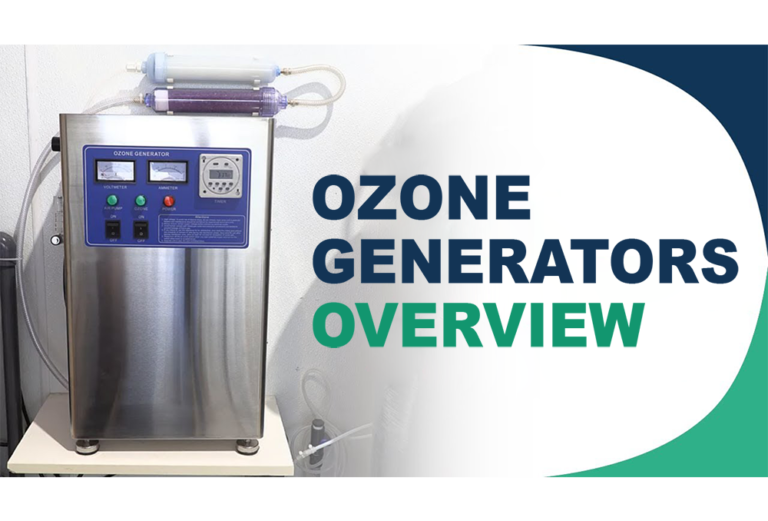
- Treatments like chlorine, ozone, or hydrogen peroxide destroy bacteria and viruses. While effective, these methods must be carefully managed so water stays safe without leaving harmful chemical residues.Puritech
Ultraviolet (UV) Treatment
- UV light kills microorganisms without adding chemicals. Because it doesn’t leave residues, it’s ideal where chemical use must stay low, such as in food preparation areas.Puritech
Reverse Osmosis and Aeration
- Reverse osmosis removes dissolved salts and heavy metals, which helps in areas with salinity issues. Aeration reduces dissolved gases and oxidizes metals like iron, improving water quality before use.Puritech
Benefits for Long‑Term Farm Success
-
Boosted Crop Production
- Treated water reduces disease spread and improves plant nutrition uptake. As a result, crops grow stronger and more productive.Puritech
-
Better Livestock Wellbeing
- Clean water reduces the risk of disease and supports better health and growth in animals. Healthy livestock also produce higher‑quality food products.Puritech
-
Stronger Food Safety
- Water treatment lowers the chance that pathogens reach consumers through contaminated food. This supports compliance with food safety rules and reduces outbreaks.Puritech
-
More Sustainable Farming
- Proper water treatment protects soil health, lowers the need for chemical fixes, and helps farming stay productive over the long term. Moreover, it conserves water resources when paired with efficient systems and reuse strategies.Puritech
How to Implement Water Treatment on Your Farm
- Test Your Water Often: Regular testing identifies contaminants and helps you choose effective treatment methods.Puritech
- Match Treatment to Need: Select systems based on water source quality, farm size, and crop or animal requirements.Puritech
- Maintain Equipment: Keep treatment systems in good shape through routine checks and filter changes.Puritech
- Train Your Team: Educate workers on how water quality affects crops and food safety and how to operate treatment systems correctly.Puritech
Conclusion
Clean, treated water is essential in farming. It influences crop growth, animal health, and the safety of food sold to consumers. By using smart water treatment in agriculture and food safety practices, farmers can boost production, protect animal and human health, and build a more sustainable farm operation. Investing in quality water treatment helps ensure healthier produce, safer food, and long‑term farming success.