Mechanism of Ozone Water Purification
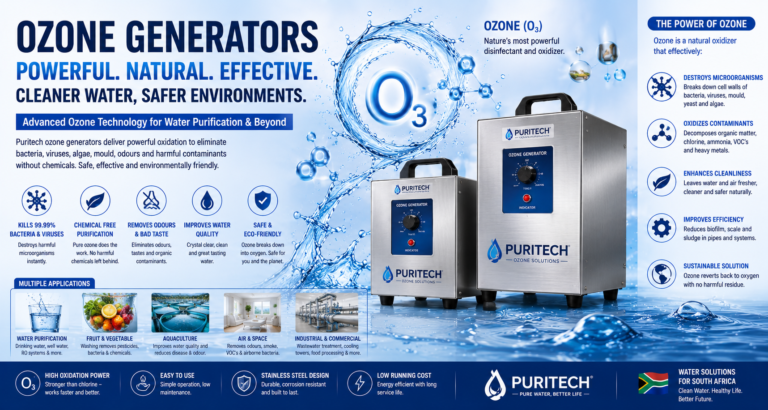
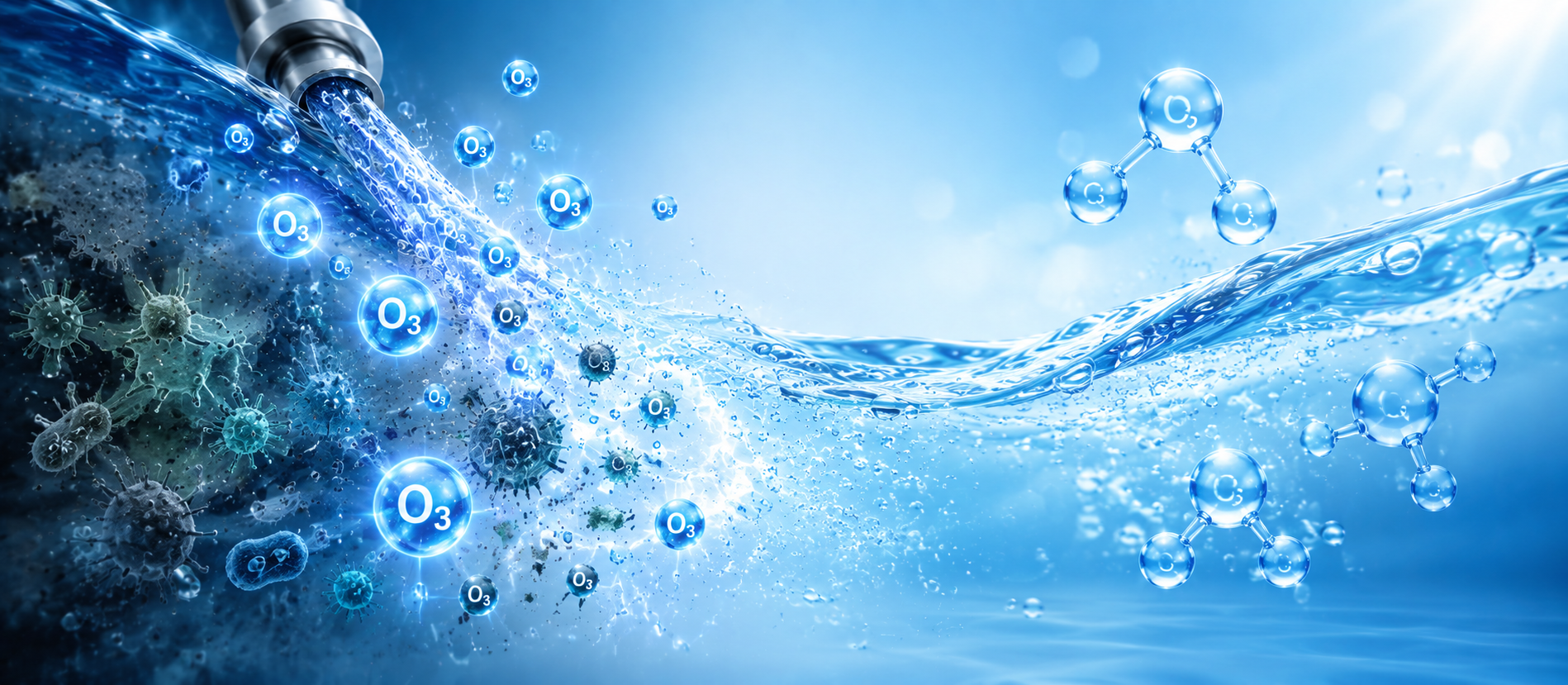
Ozone water purification is one of the most effective methods used to disinfect and improve water quality in residential, commercial, and industrial treatment systems. Ozone is a powerful oxidizing agent that destroys bacteria, viruses, protozoa, and other harmful microorganisms without leaving harmful chemical residues behind.
Because ozone reacts quickly with contaminants, it is widely used in modern water treatment applications where high disinfection performance and improved water quality are required.
What Is Ozone in Water Treatment?
Ozone is a molecule made up of three oxygen atoms (O₃). It is highly reactive and significantly stronger than ordinary oxygen. In water treatment systems, ozone is generated on-site using specialized ozone generators that convert oxygen into ozone through electrical discharge or ultraviolet technology.
Once introduced into water, ozone rapidly reacts with contaminants, microorganisms, organic compounds, and unwanted odors.
How Ozone Water Purification Works
The process of ozone water purification involves dissolving ozone gas into water, where it begins oxidising harmful substances and microorganisms.
-
Oxidation of Microorganisms
Ozone attacks the outer cell membranes of bacteria, viruses, and other pathogens. This oxidation process damages the cell structure, causing the microorganisms to break down and become inactive. -
Destruction of Viruses and Contaminants
Ozone can also penetrate microorganisms and damage internal components such as proteins, enzymes, DNA, and RNA. This prevents viruses and bacteria from reproducing or surviving in the water supply. -
Removal of Odours and Taste Issues
In addition to disinfection, ozone helps improve water clarity, taste, and smell by oxidizing organic compounds, iron, manganese, and sulfur contaminants.
Benefits of Ozone Water Purification
Using ozone in water treatment systems offers several important advantages.
Key Benefits
- Powerful disinfection performance
- Effective against bacteria, viruses, and protozoa
- Improves water taste and odour
- Reduces chemical usage in water treatment
- Leaves no harmful residue after treatment
- Helps remove iron, manganese, and sulphur
- Fast oxidation and treatment process
Unlike chlorine, ozone naturally breaks down into oxygen after treatment, leaving no chemical taste in the water. 0
Applications of Ozone Water Purification
Ozone water purification is used across a wide range of industries and water treatment applications, including
- Drinking water purification
- Bottled water production
- Commercial water treatment systems
- Swimming pool treatment
- Industrial process water treatment
- Wastewater treatment applications
Its effectiveness and rapid action make ozone an important technology in modern water purification systems.
Important Considerations
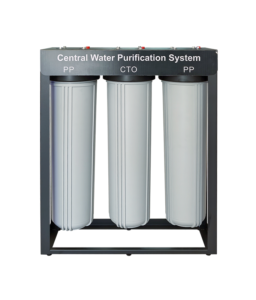
Although ozone is highly effective, it must be generated and used correctly. Ozone has a short lifespan in water and cannot provide long-term residual disinfection within pipelines or storage systems. Because of this, some treatment systems combine ozone with other filtration or disinfection technologies.
Proper ventilation and system design are also important because ozone gas can be hazardous when inhaled in high concentrations.
Why Ozone Is Effective for Water Treatment
The effectiveness of ozone water purification comes from its strong oxidation capability. Ozone reacts faster than many traditional disinfectants and can eliminate a broad spectrum of microorganisms while improving overall water quality.
As water treatment technology continues to evolve, ozone remains one of the most reliable and environmentally friendly disinfection methods available today.