Commercial vs Industrial Water Treatment Systems: What’s the Difference?
Clean, reliable water is essential for almost every business. Whether it is used for drinking, food production, manufacturing, healthcare, hospitality, or cleaning processes, water quality directly affects operational efficiency, product quality, equipment lifespan, and regulatory compliance.
However, not every business requires the same type of water treatment system.
A small hotel, for example, has very different water requirements from a food processing factory or a mining operation. While both may require purified water, the quantity of water, treatment objectives, equipment capacity, and system design can differ significantly.
This is where many businesses become uncertain.
They often ask:
- Do I need a commercial or an industrial water treatment system?
- What is the difference?
- Which solution is right for my business?
- How is the system designed?
- What treatment stages are required?
The answer depends on far more than daily water consumption. A professional laboratory water analysis, production requirements, available space, future expansion plans, and the intended use of the treated water all influence the final system design.
In this guide, we’ll explain the differences between commercial and industrial water treatment systems, explore common business applications, and show how Puritech designs customised solutions that match each customer’s unique requirements.
What Is a Commercial Water Treatment System?
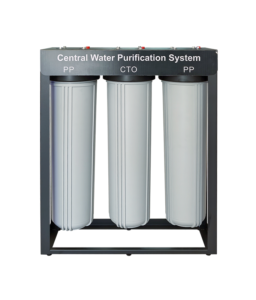
A commercial water treatment system is designed to supply businesses and organisations with reliable, high-quality water for daily operations.
Although commercial systems are generally smaller than industrial installations, they often operate continuously and must provide consistent water quality.
Commercial water treatment focuses on improving water for activities such as:
- Drinking water.
- Food preparation.
- Beverage production.
- Hospitality services.
- Medical facilities.
- Educational institutions.
- Office buildings.
- Retail businesses.
These systems are engineered to meet the specific demands of commercial environments while remaining efficient, reliable, and easy to maintain.
Typical Commercial Applications
Commercial water treatment systems are commonly installed in:
Hotels and Guesthouses
Hotels require high-quality water for guest rooms, kitchens, restaurants, laundries, swimming pools, and staff facilities.
Poor water quality can lead to:
- Scale build-up in boilers.
- Reduced appliance lifespan.
- Unpleasant tasting drinking water.
- Guest complaints.
- Increased maintenance costs.
A properly designed treatment system improves customer satisfaction while protecting valuable equipment.
Restaurants and Cafés
Water quality has a direct impact on food preparation, beverages, ice production, and kitchen equipment.
High mineral content may affect:
- Coffee flavour.
- Tea quality.
- Ice clarity.
- Steam equipment.
- Dishwashers.
- Glassware.
Commercial filtration and reverse osmosis systems help deliver consistent results while extending equipment life.
Schools and Universities
Educational institutions consume large volumes of drinking water every day.
Treatment systems provide the following:
- Safe drinking water.
- Better tasting water.
- Reliable supply.
- Reduced reliance on bottled water.
Many schools also install refill stations to encourage sustainable water consumption.
Hospitals and Medical Facilities
Healthcare facilities often require different water qualities for different applications.
Examples include:
- Drinking water.
- Sterile processing.
- Laboratory work.
- Dialysis support (where applicable).
- Cleaning and sanitation.
Reliable water treatment helps maintain high hygiene standards while protecting specialised medical equipment.
Office Buildings
Large office complexes frequently install commercial water treatment systems to improve drinking water quality for employees and visitors.
Benefits include:
- Better tasting water.
- Reduced bottled water costs.
- Improved employee wellbeing.
- Centralized water supply.
What Is an Industrial Water Treatment System?
Industrial water treatment systems are designed for manufacturing, production, and process applications where large volumes of water are essential to daily operations.
Unlike commercial systems, industrial installations often form part of the production process itself.
The treated water may be used for:
- Manufacturing.
- Processing.
- Boiler feed.
- Cooling systems.
- Cleaning processes.
- Ingredient: water.
- Chemical production.
- Process water.
- Wastewater reuse.
Because production depends on consistent water quality, industrial systems are usually larger, more complex, and engineered for continuous operation.
Why Industrial Water Treatment Is More Complex
Industrial facilities face challenges that commercial businesses rarely encounter.
These may include:
- Very high daily water demand.
- Strict product quality requirements.
- Variable raw water quality.
- Process-specific water specifications.
- High operating pressures.
- Continuous production schedules.
- Water reuse initiatives.
- Environmental discharge requirements.
For these reasons, industrial water treatment systems are almost always custom designed following a professional laboratory water analysis and a detailed assessment of production requirements.
Commercial vs Industrial Water Treatment: The Key Differences
Although both systems improve water quality, their objectives are often very different.
| Commercial Water Treatment | Industrial Water Treatment |
|---|---|
| Serves people and facilities | Supports manufacturing and production |
| Moderate daily water demand | High or continuous water demand |
| Drinking water and general use | Process-specific water quality |
| Hotels, schools, offices, restaurants | Factories, mines, food plants, pharmaceutical facilities |
| Standardised designs are often suitable | Custom-engineered systems are usually required |
| Focus on water quality and customer experience | Focus on production efficiency and equipment protection |
Understanding these differences is the first step toward selecting the right solution for your business.
Why Every Project Starts with a Professional Laboratory Water Analysis
No two water sources are identical.
Even two factories located a few kilometers apart may require completely different treatment systems because their raw water quality differs.
A professional laboratory water analysis identifies critical parameters such as the following:
- pH.
- Total Dissolved Solids (TDS).
- Conductivity.
- Turbidity.
- Iron.
- Manganese.
- Hardness.
- Nitrates.
- Sulphates.
- Chlorides.
- Silica.
- Microbiological contamination.
- Other water quality characteristics.
These results enable engineers to design a treatment system that addresses the actual water quality rather than making assumptions.
Skipping this step can lead to the following:
- Incorrect equipment selection.
- Higher operating costs.
- Reduced membrane lifespan.
- Increased maintenance.
- Poor water quality.
- Unplanned downtime.
For this reason, Puritech recommends beginning every commercial and industrial project with a recent professional laboratory water analysis before specifying any treatment equipment.
Industry Applications: Choosing the Right Water Treatment System
Every industry uses water differently. While one business may need purified drinking water for employees and customers, another may require ultra-pure process water to manufacture products. This is why no two water treatment systems should be identical.
A professionally designed system considers:
- The results of a recent professional laboratory water analysis.
- Daily water consumption.
- Peak demand periods.
- Required water quality.
- Future expansion plans.
- Environmental conditions.
- Available installation space.
- Operating and maintenance costs.
Let’s look at how different industries use water and the treatment systems they typically require.
Hotels, Lodges and Resorts
Hotels rely heavily on water every day. Guests expect clean, safe, and pleasant-tasting water whether they are drinking it, showering, or enjoying meals prepared on-site.
Common Water Challenges
- Hard water causing scale in geysers and boilers.
- Chlorine taste and odor.
- Sediment from aging municipal infrastructure.
- Poor-tasting drinking water.
- High maintenance costs for plumbing fixtures.
Typical Treatment Solution
- Sediment filtration.
- Activated carbon filtration.
- Water softener (where required).
- Reverse osmosis for drinking water.
- UV sterilization.
- Pressurized storage system.
Benefits
- Improved guest satisfaction.
- Longer equipment lifespan.
- Lower maintenance costs.
- Better-tasting drinking water.
- Reduced bottled water expenses.
Restaurants, Cafés and Coffee Shops
Water quality directly affects food preparation and beverages.
Even premium coffee beans cannot produce exceptional coffee if the water quality is poor.
Common Water Challenges
- High hardness.
- Chlorine taste.
- Scale formation.
- Poor ice clarity.
- Equipment scaling.
Recommended Treatment
- Sediment filtration.
- Activated carbon.
- Water softener.
- Reverse osmosis for beverage preparation.
- UV sterilization.
Benefits
- Better coffee and tea.
- Crystal-clear ice.
- Reduced equipment maintenance.
- Consistent food quality.
Food and Beverage Manufacturing
Food manufacturers depend on consistent water quality because water often becomes part of the final product.
Typical Industries
- Juice manufacturers.
- Soft drink producers.
- Bottling plants.
- Bakeries.
- Meat processors.
- Ready-meal manufacturers.
Water Quality Challenges
- Variable municipal water.
- High TDS.
- Chlorine.
- Microbiological contamination.
- Mineral inconsistency.
Recommended Treatment
- Multimedia filtration.
- Activated carbon.
- Water softening.
- Reverse osmosis.
- UV sterilization.
- Ozone (where applicable).
Benefits
- Consistent product quality.
- Improved shelf life.
- Equipment protection.
- Regulatory compliance.
Pharmaceutical Manufacturing
Pharmaceutical facilities often require highly purified water for production, cleaning, and laboratory work.
Water quality directly affects product integrity.
Typical Treatment Train
- Pretreatment filtration.
- Activated carbon.
- Water softening.
- Double-pass reverse osmosis (where required).
- UV sterilization.
- Final polishing systems.
Benefits
- Reliable process water.
- Reduced contamination risk.
- Consistent production quality.
- Protection of sensitive equipment.
Commercial Laundries
Large laundries consume thousands of litres every day.
Hard water significantly increases detergent consumption while reducing cleaning efficiency.
Common Problems
- Scale in boilers.
- Fabric discoloration.
- Higher detergent costs.
- Equipment damage.
Recommended Solution
- Multimedia filtration.
- Water softener.
- Reverse osmosis (where required).
- Chemical dosing.
Benefits
- Lower operating costs.
- Cleaner linen.
- Longer equipment lifespan.
- Improved washing efficiency.
Car Wash and Vehicle Wash Facilities
Modern vehicle wash facilities increasingly recycle water to reduce operating costs and support environmental sustainability.
Common Water Challenges
- High suspended solids.
- Oils and grease.
- Detergent residues.
- Variable water quality.
Recommended Treatment
- Sedimentation.
- Multimedia filtration.
- Oil-water separation.
- Activated carbon.
- Reverse osmosis where necessary.
Benefits
- Reduced water consumption.
- Lower municipal costs.
- Environmental compliance.
- Better washing results.
Breweries and Distilleries
Water forms the foundation of every beer, spirit, and many other beverages.
Different products require different mineral profiles.
Water Quality Challenges
- High hardness.
- Chlorine.
- Variable mineral content.
- Seasonal water quality changes.
Treatment Process
- Activated carbon.
- Water softening.
- Reverse osmosis.
- Mineral adjustment according to recipe requirements.
- UV sterilization.
Benefits
- Consistent flavor.
- Improved product quality.
- Better process control.
- Reliable production.
Dairy Processing Plants
The dairy industry depends on reliable water for cleaning, product manufacturing, and sanitation.
Common Requirements
- Process water.
- Cleaning water.
- Boiler feed water.
- Cooling systems.
Recommended Treatment
- Pretreatment filtration.
- Water softening.
- Reverse osmosis.
- UV sterilization.
- Chemical dosing where required.
Benefits
- Improved hygiene.
- Lower maintenance costs.
- Product consistency.
- Equipment protection.
Mining Operations
Mining operations often process millions of liters of water every month.
Water treatment may involve:
- Process water.
- Dust suppression.
- Equipment cooling.
- Water recycling.
- Environmental discharge.
Common Water Problems
- High TDS.
- Heavy metals.
- Suspended solids.
- Acidity.
- Scaling.
Typical Treatment
- Clarification.
- Multimedia filtration.
- Chemical dosing.
- Reverse osmosis.
- Neutralization.
- Sludge handling.
Benefits
- Reduced freshwater demand.
- Lower operating costs.
- Regulatory compliance.
- Sustainable water management.
Agricultural Processing Facilities
Agriculture depends on water for irrigation, cleaning, livestock, and food processing.
Treatment May Include
- Sediment removal.
- Iron removal.
- Manganese removal.
- Reverse osmosis.
- UV sterilization.
Benefits
- Improved crop quality.
- Better livestock health.
- Reliable processing water.
- Reduced equipment maintenance.
Why Custom System Design Matters
Some businesses assume they can purchase a standard water treatment system “off the shelf.”
In reality, this approach often leads to poor performance and unnecessary expense.
Every commercial and industrial project differs in terms of:
- Water source.
- Water quality.
- Daily demand.
- Peak production.
- Available space.
- Future expansion.
- Budget.
- Industry-specific requirements.
For example, two food factories producing different products may both require reverse osmosis systems, yet the pretreatment, membrane configuration, storage capacity, and control systems may differ significantly.
That is why Puritech begins every project with a professional laboratory water analysis, followed by a detailed consultation to understand the customer’s operational requirements. This approach ensures that the treatment system is designed for long-term reliability, efficiency, and performance rather than relying on assumptions.
Technologies Used in Commercial and Industrial Water Treatment
Every water treatment system is designed to solve specific water quality challenges. The technologies used depend on the results of a professional laboratory water analysis, the intended application, and the required water quality.
Most commercial and industrial systems combine several treatment stages to produce consistent, reliable water.
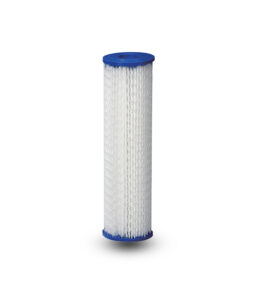
Sediment Filtration
Sediment filtration is usually the first stage of treatment.
Its primary purpose is to remove suspended particles such as
- Sand
- Silt
- Rust
- Clay
- Dirt
- Other suspended solids
Removing these contaminants protects downstream equipment from unnecessary wear and helps maintain consistent flow throughout the treatment process.
Typical Applications
- Hotels
- Restaurants
- Food factories
- Manufacturing plants
- Commercial buildings
- Agricultural facilities
Multimedia Filtration
Where water contains higher levels of suspended solids, multimedia filtration offers greater filtration capacity than standard sediment cartridges.
These systems use different grades of filtration media to remove:
- Fine suspended particles
- Turbidity
- Organic matter
- Larger contaminants
Common Applications
- Borehole water
- Surface water
- Process water
- Industrial pretreatment
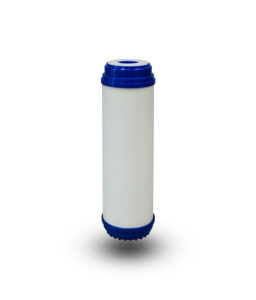
Activated Carbon Filtration
Activated carbon plays an important role in improving water quality.
It removes:
- Chlorine
- Chloramine (where applicable)
- Taste
- Odours
- Organic compounds
Carbon filtration also protects reverse osmosis membranes from chlorine damage, significantly extending membrane life.
Water Softeners
Hard water contains elevated levels of calcium and magnesium.
These minerals cause:
- Scale build-up
- Reduced heating efficiency
- Boiler damage
- Membrane fouling
- Increased maintenance
Water softeners remove hardness before the water reaches sensitive equipment.
Industries with boilers, steam generation, laundries, and food production frequently benefit from water softening.
Iron and Manganese Removal
Some groundwater sources contain naturally occurring iron and manganese.
Although these minerals are common, excessive concentrations may cause the following:
- Brown or black staining
- Metallic taste
- Pipe blockages
- Equipment fouling
- Reduced membrane performance
Specialized treatment systems remove these contaminants before they reach downstream equipment.
pH Correction
Water with very low or very high pH can create serious operational problems.
Low pH may:
- Increase corrosion
- Damage plumbing
- Shorten equipment life
High pH may:
- Encourage scale formation
- Reduce treatment efficiency
Where necessary, pH correction systems stabilize water chemistry before further treatment.
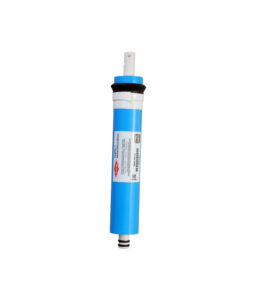
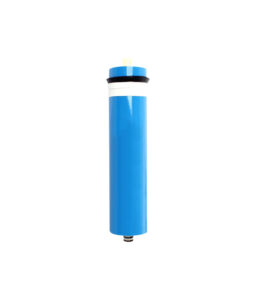
Reverse Osmosis Systems
Reverse osmosis remains one of the most effective technologies for producing high-quality purified water.
Commercial and industrial RO systems remove many dissolved contaminants, including:
- Dissolved salts
- Heavy metals
- Nitrates
- Fluoride
- Sulphates
- Many organic compounds
- A significant proportion of microorganisms
RO systems are widely used in:
- Food manufacturing
- Beverage production
- Pharmaceutical facilities
- Commercial water shops
- Hotels
- Hospitals
- Laboratories
- Industrial processing
Selecting the correct membrane configuration, recovery rate, and production capacity requires detailed engineering based on the customer’s water analysis and operational needs.
UV Water Sterilisation
Ultraviolet sterilization provides an effective, chemical-free method of reducing microorganisms in treated water.
UV systems help control:
- Bacteria
- Viruses
- Other microorganisms
Because UV treatment does not introduce chemicals into the water, it preserves taste while providing an additional level of protection.
Chemical Dosing Systems
Some commercial and industrial installations require controlled chemical dosing.
Depending on the application, dosing systems may provide the following:
- pH adjustment
- Antiscalant dosing
- Oxidation
- Corrosion control
- Disinfection
The chemicals and dosing rates always depend on the water analysis and process requirements.
Why One System Does Not Fit Every Business
A common misconception is that two businesses using similar amounts of water require identical treatment systems.
In reality, several factors influence system design, including:
- Raw water quality
- Water source
- Daily production volume
- Peak operating demand
- Future expansion
- Available installation space
- Required treated water quality
- Industry regulations
For example, a hotel and a food manufacturing plant may both consume 20,000 liters of water per day, but the quality specifications, treatment objectives, and equipment design could be completely different.
This is why Puritech designs each system individually rather than supplying generic solutions.
Why Choose Puritech?
At Puritech, every project begins with understanding the customer’s needs rather than recommending equipment immediately.
Our approach includes:
- Professional consultation.
- Professional laboratory water analysis review.
- Site evaluation where required.
- System design.
- Equipment selection.
- Installation.
- Commissioning.
- Technical support.
- Preventative maintenance.
By following this process, we help customers invest in equipment that matches both their current requirements and future growth plans.
Frequently Asked Questions
What is the difference between commercial and industrial water treatment?
Commercial water treatment systems generally provide high-quality water for people, hospitality, healthcare, education, and office environments. Industrial systems support manufacturing, production processes, cooling, boilers, and specialized process applications.
Which industries need commercial water treatment?
Commercial systems are commonly used in:
- Hotels
- Restaurants
- Schools
- Hospitals
- Office buildings
- Shopping centres
- Gyms
- Guesthouses
Which industries require industrial water treatment?
Industrial systems are often installed in:
- Food manufacturing
- Beverage production
- Pharmaceutical facilities
- Mining
- Agriculture
- Chemical manufacturing
- Engineering plants
- Textile factories
Why is a professional laboratory water analysis important?
A laboratory water analysis identifies the characteristics of your water and allows engineers to design a treatment system that addresses the actual water quality rather than making assumptions.
Can one treatment system serve multiple applications?
In some cases, yes.
However, the system must be carefully designed to ensure that each application receives water of the required quality.
How often should commercial systems be serviced?
Service intervals depend on:
- Water quality
- Equipment type
- Operating hours
- Production demand
Preventative maintenance helps maintain efficiency while extending equipment life.
Can commercial systems be expanded?
Yes.
Many systems are designed with future expansion in mind, allowing additional treatment stages or increased production capacity as the business grows.
Final Thoughts
Water treatment is not simply about removing contaminants. It is about delivering water that is suitable for its intended purpose while protecting equipment, reducing operating costs, and supporting business continuity.
Whether you operate a hotel, restaurant, manufacturing facility, healthcare institution, food processing plant, or mining operation, the right water treatment system begins with understanding your water.
A professional laboratory water analysis provides the information needed to design a reliable, efficient, and cost-effective solution. From there, every stage of the treatment process can be selected to meet your specific operational requirements.
At Puritech, we work closely with businesses across South Africa to design commercial and industrial water treatment systems that are tailored to each application. From initial consultation and water analysis to installation, commissioning, and ongoing support, our goal is to provide solutions that deliver long-term performance and value.
If your business is experiencing water quality challenges or you are planning a new project, contact Puritech to discuss your requirements. Our experienced team can help you identify the most appropriate treatment solution based on your water quality, production needs, and future growth plans.