How to Start a Profitable Water Shop in South Africa
Many South Africans are looking for business opportunities that provide a valuable service while generating a steady income. A water shop is one of those opportunities. As more households and businesses become concerned about drinking water quality, the demand for purified water continues to grow across the country.
Unlike many retail businesses, a water shop sells a product that customers buy repeatedly. Families, offices, schools, restaurants, gyms, and healthcare facilities all require clean drinking water every day. This creates the potential for recurring revenue and long-term customer relationships.
However, starting a successful water shop involves much more than purchasing a reverse osmosis (RO) system and filling bottles. You need to understand your source water, choose the correct treatment equipment, comply with applicable regulations, and build a business that customers trust.
This comprehensive guide explains everything you need to know to start a water shop in South Africa, from selecting the right location and equipment to understanding water quality, estimating startup costs, pricing your water, and growing a profitable business.
Why Water Shops Are Growing in South Africa
South Africa faces several water-related challenges that have increased the demand for purified drinking water.
These include:
- Aging municipal infrastructure.
- Intermittent water supply in some areas.
- High mineral content in certain water sources.
- Poor-tasting or unpleasant-smelling tap water.
- Borehole water with varying quality.
- Increased public awareness of drinking water quality.
- Growing demand from homes and businesses for reliable purified water.
As a result, many consumers prefer purchasing purified drinking water from trusted local suppliers rather than relying solely on untreated tap water.
For entrepreneurs, this creates an opportunity to establish a business that serves an essential daily need.
Why a Water Shop Can Be a Profitable Business
A water shop differs from many other retail businesses because customers return regularly.
Unlike products that people buy once or twice a year, drinking water is consumed every day. Families often refill containers weekly, while businesses may require multiple deliveries every month.
Several factors contribute to the earning potential of a water shop:
- Recurring customer purchases.
- Relatively low production costs once the system is installed.
- Opportunities to sell related products, such as water dispensers, reusable containers, replacement filters, and ice.
- The ability to expand into home and office water delivery services.
- Increasing demand for high-quality drinking water.
Although profitability depends on location, operating costs, and customer demand, many successful water shops grow steadily by providing consistent quality and excellent customer service.
Understand Your Target Market
Before investing in equipment, identify who your customers will be.
Different customer groups have different needs and buying habits.
Residential Customers
Homeowners and families typically purchase purified drinking water for everyday use. They often refill large containers weekly or monthly.
These customers value:
- Great-tasting water.
- Affordable pricing.
- Convenient refilling.
- Consistent quality.
Businesses and Offices
Many companies provide purified drinking water for employees and visitors.
Potential business customers include:
- Offices.
- Restaurants.
- Cafés.
- Hotels.
- Guesthouses.
- Schools.
- Gyms.
- Medical practices.
Businesses often become reliable long-term clients when they receive dependable service.
Industrial Customers
Some industries require purified water for manufacturing, cleaning, laboratories, or food production.
Although these customers usually require larger treatment systems, they can represent significant long-term opportunities as your business grows.
Choosing the Right Location
Location plays a major role in the success of any retail business, including a water shop.
A well-positioned store makes it easier for customers to access your services while improving visibility and repeat business.
When selecting a location, consider:
- High vehicle traffic.
- Easy parking.
- Safe access.
- Residential developments nearby.
- Shopping centres.
- Industrial areas.
- Business districts.
- Schools and medical facilities.
Visibility also matters.
A professionally branded storefront with clear signage can attract new customers every day.
Choosing Your Water Source
One of the most important decisions you will make is selecting the source of your water.
Every water source has unique characteristics, and each requires different treatment.
Municipal Water
Many water shops operate successfully using municipal water.
Municipal supplies are generally disinfected before distribution. However, they may still contain:
- Chlorine.
- High Total Dissolved Solids (TDS).
- Hardness minerals.
- Taste and odor issues.
- Sediment from aging infrastructure.
Although municipal water is usually suitable for treatment, testing is still essential before designing your purification system.
Borehole Water
Borehole water offers an excellent source of raw water, especially in areas where municipal supply is unreliable.
However, groundwater quality varies significantly from one location to another.
Common borehole water issues include:
- High iron.
- High manganese.
- Hardness.
- Elevated salinity.
- Low pH.
- Nitrates.
- Bacterial contamination.
Because every borehole is different, laboratory testing should always be completed before selecting equipment.
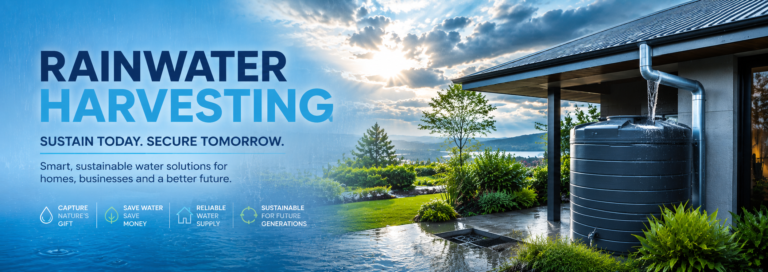
Rainwater Harvesting
Some businesses supplement their water supply using rainwater harvesting systems.
Although rainwater is a valuable resource, it often requires additional treatment to remove debris, microorganisms, and contaminants collected from roofs and storage tanks.
Proper filtration and disinfection are essential before using harvested rainwater for drinking purposes.
Why a Professional Water Analysis Is Essential
One of the biggest mistakes new business owners make is buying treatment equipment before understanding their water.
Water that looks clean may still contain dissolved salts, bacteria, excessive hardness, iron, manganese, nitrates, or other contaminants that affect both drinking water quality and equipment performance.
A professional water analysis provides the information needed to design an effective treatment system.
Without accurate test results, you risk:
- Purchasing equipment that does not solve the problem.
- Overspending on unnecessary treatment.
- Installing a system that performs poorly.
- Damaging expensive reverse osmosis membranes.
- Producing water that does not meet your quality expectations.
For example:
Two neighbouring businesses may both use borehole water, yet one requires only sediment filtration and UV sterilisation, while the other needs iron removal, pH correction, water softening, and reverse osmosis.
Without testing, both businesses might install the same equipment—but only one would achieve the desired results.
That is why Puritech recommends conducting a comprehensive water analysis before investing in any treatment system. The test results allow experienced specialists to recommend equipment that matches your specific water quality and production requirements.
What Does a Water Analysis Measure?
A professional laboratory analysis may include:
- pH
- Total Dissolved Solids (TDS)
- Electrical Conductivity (EC)
- Turbidity
- Total Hardness
- Iron
- Manganese
- Nitrates
- Sulphates
- Chlorides
- Fluoride
- Sodium
- Silica
- Total Coliforms
- Escherichia coli (E. coli)
- Other microbiological parameters
Each result helps determine which treatment technologies are required to produce safe, high-quality drinking water.
In the next section, we’ll examine the equipment required to build a successful water shop, explain the purpose of each component, compare different reverse osmosis system sizes, and estimate realistic startup costs for South African entrepreneurs.
Equipment You Need to Start a Water Shop in South Africa
After completing a professional water analysis, the next step is selecting the right equipment. Every component in a water treatment system has a specific purpose. Skipping an important stage can reduce water quality, damage expensive equipment, or increase maintenance costs.
The exact treatment process depends on your water quality. However, most successful water shops use a combination of pretreatment, purification, storage, and dispensing equipment.
Typical Water Shop Process
A professionally designed water shop usually follows this treatment sequence:
Raw Water Source
⬇
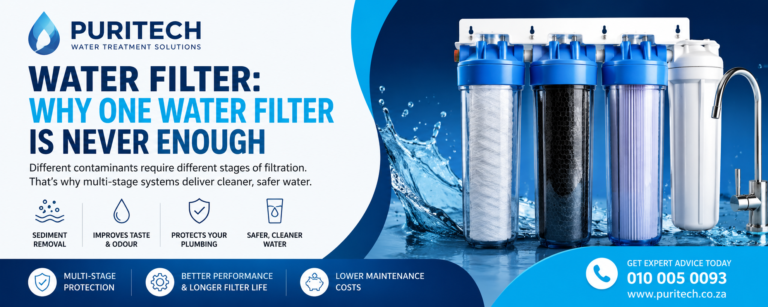
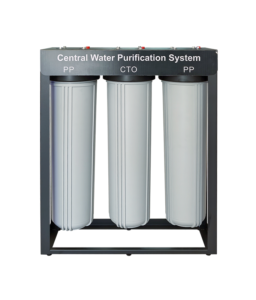
Sediment Filtration
⬇
Activated Carbon Filtration
⬇
Water Softener (if required)
⬇
Reverse Osmosis System
⬇
UV Sterilisation
⬇
Purified Water Storage Tank
⬇
Dispensing Station
⬇
Customer Collection
Each stage improves water quality while protecting the equipment that follows.
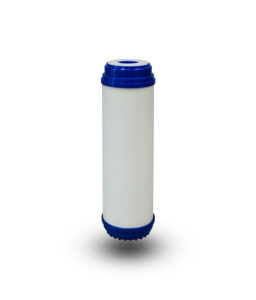
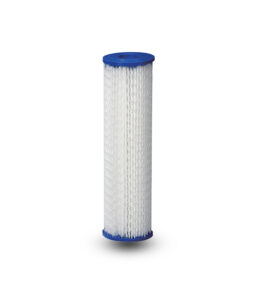
Sediment Filters
Sediment filters are the first line of defense.
They remove visible particles such as:
- Sand
- Rust
- Dirt
- Clay
- Silt
- Suspended solids
Removing these contaminants protects pumps, valves, activated carbon filters, and reverse osmosis membranes from unnecessary wear.
Depending on the water source, sediment filters may require regular replacement to maintain good flow and treatment performance.
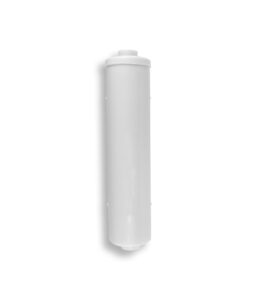
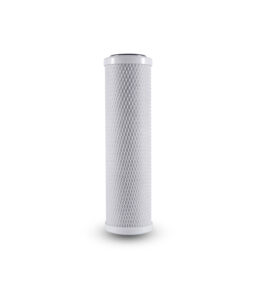
Activated Carbon Filters
Activated carbon removes contaminants that affect the taste, smell, and appearance of drinking water.
These filters commonly remove:
- Chlorine
- Organic compounds
- Unpleasant odours
- Unpleasant tastes
Carbon filtration also protects reverse osmosis membranes because chlorine can permanently damage many membrane materials.
Water Softeners
Not every water shop requires a water softener.
However, if laboratory testing shows high hardness levels, installing one before the RO system is often essential.
A water softener removes calcium and magnesium, which cause:
- Scale formation
- Reduced membrane life
- Lower production efficiency
- Increased cleaning requirements
Investing in proper pretreatment often saves thousands of rand in membrane replacement costs over the life of the system.
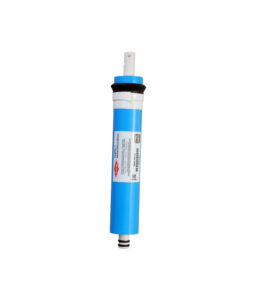
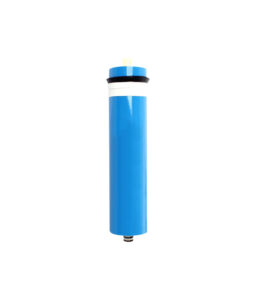
Reverse Osmosis Systems
The reverse osmosis system is the heart of a modern water shop.
It removes many dissolved impurities, including:
- Dissolved salts
- Heavy metals
- Nitrates
- Fluoride
- Many chemical contaminants
- A significant proportion of microorganisms
The result is high-quality purified water that meets customer expectations for taste and consistency.
Choosing the correct system size depends on your expected daily demand rather than purchasing the largest unit available.
UV Water Sterilisation
Ultraviolet sterilisation provides an additional level of protection by helping to neutralise harmful microorganisms.
Unlike chemical disinfectants, UV treatment does not change the taste or smell of the water.
Many successful water shops install UV systems immediately before the purified water enters the storage tank or dispensing point.
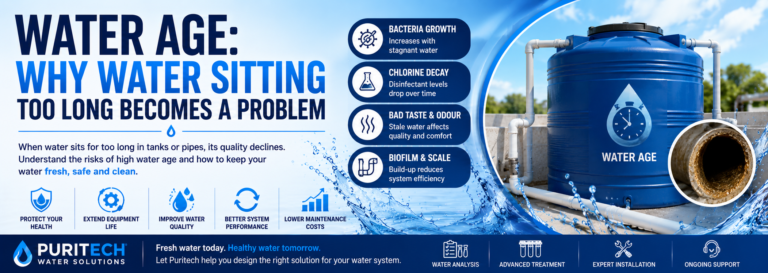
Storage Tanks
Purified water should always be stored in food-grade tanks designed for drinking water.
Proper storage helps maintain water quality while ensuring adequate supply during busy trading periods.
Depending on your production volume, you may need:
- Raw water storage
- Purified water storage
- Distribution tanks
The correct storage capacity prevents unnecessary interruptions during peak demand.
Dispensing Equipment
Customers expect water shops to provide fast, clean, and convenient service.
Typical dispensing equipment includes:
- Stainless steel dispensing taps
- Bottle rinsing stations
- Measuring systems
- Filling stations
- Bottle sealing equipment (if applicable)
A clean dispensing area also creates confidence in your business.
Optional Equipment That Can Increase Revenue
Many successful water shops expand their product range over time.
Additional products and services may include:
- Water dispensers
- Refillable water containers
- Bottle stands
- Ice production
- Water cooler rentals
- Home delivery services
- Office water supply contracts
- Filter replacement services
These additional income streams can increase profitability without significantly increasing operating costs.
Choosing the Right Reverse Osmosis System
One of the most common questions entrepreneurs ask is:
“Which RO system should I buy?”
The answer depends on three main factors:
- Your water quality
- Your expected daily production
- Your future growth plans
Buying a system that is too small may limit production.
Buying one that is too large may increase unnecessary capital costs.
Selecting the correct system allows your business to grow while maintaining efficient operation.
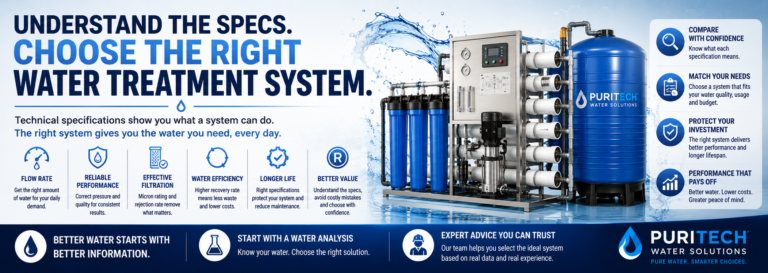
1000 GPD Reverse Osmosis System
A 1000 GPD (Gallons Per Day) system is an excellent choice for many new businesses.
It is suitable for:
- Small communities
- New entrepreneurs
- Convenience stores
- Small retail water shops
Advantages include:
- Lower startup cost
- Compact installation
- Lower electricity consumption
- Easier maintenance
For many startups, this system provides an affordable entry into the purified water industry.
2000 GPD Reverse Osmosis System
As demand increases, a 2000 GPD system offers significantly higher production capacity.
This system suits:
- Busy suburbs
- Shopping centres
- Growing businesses
- High-volume refill stations
Many successful water shops begin with a 1000 GPD system and later upgrade to a 2000 GPD system as their customer base expands.
High-Capacity Commercial RO Systems
Businesses supplying restaurants, schools, hospitals, factories, or multiple refill stations often require larger commercial systems.
Higher-capacity units provide:
- Increased production
- Continuous operation
- Greater storage capability
- Improved efficiency for larger businesses
A professional assessment helps determine the correct production capacity for your specific requirements.
How Much Does It Cost to Start a Water Shop?
Startup costs vary depending on:
- Location
- Building size
- Water quality
- Production capacity
- Equipment selection
The following estimates are intended as a general guide only.
| Item | Estimated Cost (R) |
|---|---|
| Professional Water Analysis | Quoted according to the required test scope |
| Pretreatment Equipment | Based on water analysis results |
| Commercial Reverse Osmosis System | Quoted according to production capacity |
| UV Sterilisation System | According to system size |
| Storage Tanks | According to storage requirements |
| Pumps | According to flow requirements |
| Installation & Plumbing | According to project scope |
| Dispensing Equipment | According to shop design |
Estimated Startup Investment: R35,000 to R150,000+
Actual costs depend on the complexity of the installation and the treatment requirements identified during the water analysis.
How Much Can You Charge for Purified Water?
Pricing varies by region and competition.
Factors influencing your pricing include:
- Water quality
- Production costs
- Packaging
- Delivery services
- Operating expenses
- Local demand
Many South African water shops charge per litre or per refill container.
Rather than competing solely on price, successful businesses focus on:
- Consistent water quality
- Excellent customer service
- Clean facilities
- Convenient operating hours
- Reliable supply
Customers are often willing to pay slightly more when they trust the quality of the water they receive.
Sample Profit Scenario (Illustrative Only)
The example below demonstrates how a water shop could generate revenue. Actual results depend on your pricing, costs, location, customer base, and operating efficiency.
| Metric | Example |
|---|---|
| Litres sold per day | 1,000 L |
| Selling price | R2.50/L |
| Daily Revenue | R2,500 |
| Monthly Revenue | R75,000 |
Typical monthly expenses may include:
- Rent
- Electricity
- Municipal water
- Filter replacements
- Membrane maintenance
- Staff salaries
- Marketing
- Transport
- General maintenance
After deducting expenses, a well-managed business may produce healthy profits. However, your actual results will depend on effective management, efficient operations, and consistent customer demand.
Why Investing in Quality Equipment Saves Money
It can be tempting to choose the cheapest equipment available when starting a business.
However, lower-quality systems often lead to:
- More breakdowns
- Higher maintenance costs
- Lower production
- Poor water quality
- Shorter equipment lifespan
- Reduced customer confidence
Reliable equipment, correctly matched to your water quality, generally provides lower operating costs and greater long-term value.
When customers trust your water quality, they are far more likely to return and recommend your business to others.
Legal and Regulatory Considerations
Starting a water shop in South Africa involves more than installing equipment and opening your doors. Customers trust you to provide water for drinking, so maintaining high standards is essential.
The exact legal and regulatory requirements may vary depending on your municipality, the size of your business, and whether you bottle water or operate a refill station. Before opening, consult your local municipality and the relevant health authorities to ensure you meet all applicable requirements.
Depending on your business model, you may need to consider the following:
- Business registration.
- Municipal approvals where applicable.
- Compliance with local environmental and health regulations.
- Regular water quality testing.
- Proper sanitation procedures.
- Food-grade storage and dispensing equipment.
- Staff hygiene training.
Meeting these requirements helps protect both your customers and your business reputation.
Build Customer Trust Through Water Quality
Your greatest competitive advantage is not your equipment.
It is customer confidence.
People return to businesses they trust.
Displaying recent laboratory water analysis results inside your shop demonstrates transparency and professionalism.
Many successful water shops also
- Display purification process diagrams.
- Explain each treatment stage.
- Keep the shop exceptionally clean.
- Replace filters on schedule.
- Perform routine maintenance.
- Encourage customers to ask questions.
Customers appreciate businesses that openly explain how their water is produced.
Daily Operations Checklist
Running a successful water shop requires consistent attention to quality.
A simple daily routine helps maintain reliable production and customer satisfaction.
Daily
- Inspect the treatment system.
- Check operating pressure.
- Record production volumes.
- Clean filling stations.
- Inspect storage tanks.
- Monitor water quality indicators.
- Ensure UV systems are operating correctly.
- Maintain a clean customer area.
Weekly
- Inspect filter housings.
- Check pumps for leaks.
- Test dispensing equipment.
- Clean storage areas.
- Review customer feedback.
Monthly
- Review water quality records.
- Replace filters where required.
- Inspect membranes.
- Check electrical components.
- Service pumps if necessary.
- Perform preventative maintenance.
Routine maintenance prevents costly breakdowns while protecting your investment.
Why Preventative Maintenance Matters
Many new business owners focus only on production.
However, maintenance is equally important.
Ignoring routine servicing can lead to:
- Reduced production.
- Poor water quality.
- Higher electricity consumption.
- Membrane fouling.
- Pump failures.
- Customer complaints.
Regular maintenance costs far less than emergency repairs.
A planned maintenance schedule also extends the life of expensive equipment.
Marketing Your Water Shop
Producing excellent water is only half the job.
People must know your business exists.
Fortunately, effective marketing does not always require a large budget.
Create a Professional Brand
Your branding should communicate:
- Cleanliness.
- Professionalism.
- Trust.
- Reliability.
- High-quality drinking water.
A modern logo, clear signage, and professional uniforms help create an excellent first impression.
Build an Online Presence
Most customers search online before visiting a business.
Ensure your water shop appears on:
- Google Business Profile.
- Facebook.
- Instagram.
- Local business directories.
Share useful content such as:
- Water quality tips.
- Behind-the-scenes purification videos.
- Customer testimonials.
- Equipment maintenance.
- Educational posts about purified water.
Educational content positions your business as an expert rather than simply another retailer.
Offer Delivery Services
Many customers appreciate the convenience of home and office delivery.
Delivery services can generate recurring monthly income while expanding your customer base beyond walk-in traffic.
Reward Loyal Customers
Simple loyalty programs encourage repeat business.
Examples include:
- Every tenth refill free.
- Discounted family packages.
- Business supply contracts.
- Monthly subscription plans.
- Referral rewards.
Keeping an existing customer is often more affordable than finding a new one.
Common Mistakes That Cause Water Shops to Fail
Many water shops struggle because they overlook fundamental business principles.
Avoid these common mistakes.
Buying Equipment Before Testing Water
This is one of the most expensive mistakes.
Without a professional water analysis, there is no way to know which treatment system your water requires.
Incorrect equipment often results in poor performance, unnecessary costs, and dissatisfied customers.
Choosing Equipment Based Only on Price
The cheapest option rarely provides the lowest long-term cost.
Reliable systems generally produce better water, require fewer repairs, and last longer.
Ignoring Maintenance
Even the best treatment system cannot perform properly without regular servicing.
Preventative maintenance protects production capacity and water quality.
Poor Customer Service
Customers expect friendly service, clean facilities, and consistent quality.
One negative experience may cause them to switch to another supplier.
No Marketing Strategy
Many businesses assume customers will simply find them.
Successful water shops actively promote their services online, within their communities, and through word-of-mouth referrals.
How to Grow Beyond One Water Shop
Many successful entrepreneurs begin with a single location before expanding.
Once your first shop operates consistently, consider the following:
- Opening additional branches.
- Supplying restaurants.
- Supplying schools.
- Supplying offices.
- Selling bottled water.
- Installing refill stations at partner locations.
- Providing water cooler rental services.
- Offering equipment servicing.
- Selling replacement filters.
- Expanding into commercial water treatment projects.
Growth should always be based on customer demand rather than guesswork.
Frequently Asked Questions
Is a water shop profitable in South Africa?
A well-managed water shop can be profitable because drinking water is a product customers purchase regularly. However, profitability depends on factors such as location, operating costs, water quality, pricing, customer service, and effective business management.
Do I need a water analysis before buying equipment?
Yes.
A professional water analysis helps identify the contaminants present in your water and ensures that your treatment system is designed for your specific water quality.
Can I use borehole water?
Yes.
Many successful water shops use borehole water.
However, every borehole is different, so laboratory testing should always be completed before selecting treatment equipment.
Which reverse osmosis system should I choose?
The correct system depends on:
- Daily production requirements.
- Future expansion plans.
- Available space.
- Water quality.
Puritech can recommend a suitable solution after reviewing your water analysis and production goals.
How often should water be tested?
Testing frequency depends on your water source and business requirements.
Regular testing helps ensure consistent water quality while identifying changes before they affect customers.
How long do reverse osmosis membranes last?
Membrane lifespan varies depending on feed water quality, pretreatment, maintenance, and operating conditions.
With proper care and suitable pretreatment, membranes can provide reliable performance for several years.
Can I expand my business later?
Absolutely.
Many successful water businesses begin with a modest installation and expand as customer demand grows.
Choosing equipment that allows for future upgrades can make expansion easier.
Final Thoughts
Starting a water shop in South Africa offers more than an opportunity to build a successful business. It also allows you to provide a product that improves people’s daily lives.
Success, however, depends on more than simply purchasing equipment. It begins with understanding your water source, completing a professional water analysis, selecting the correct treatment system, maintaining high operating standards, and delivering consistent quality every day.
By investing in reliable equipment, prioritising preventative maintenance, and building customer trust, you can create a business that generates repeat sales and long-term growth.
Whether you plan to serve a small neighbourhood or develop a network of refill stations across South Africa, careful planning and the right technical support will help you achieve your goals.
At Puritech, we assist entrepreneurs, businesses, and organisations with professional water analysis, system design, equipment selection, installation, and ongoing technical support. Our team can help you choose a solution that matches your water quality, production requirements, and future growth plans.