What Is Water pH? Why It Matters for Water Quality and Treatment
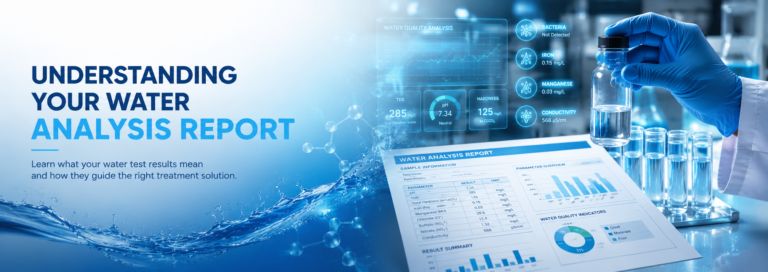
If you’ve ever had your water tested, you’ve probably seen a pH reading listed on the report. Although many people overlook this measurement, it plays a major role in determining overall water quality and the performance of water treatment systems.
What Is Water pH? Simply put, it measures how acidic or alkaline water is. Because pH influences chemical reactions, corrosion, scaling, and treatment efficiency, it remains one of the first parameters water specialists evaluate during a water analysis.
Whether your water comes from a municipal supply, a borehole, a river, or a rainwater harvesting system, maintaining the correct pH helps protect plumbing, improves treatment performance, and supports better drinking water quality.
Furthermore, many purification technologies—including reverse osmosis, ultraviolet sterilisation, chemical dosing, and softening systems—perform best within a specific pH range. Consequently, understanding your water’s pH allows you to identify problems early and choose the most suitable treatment solution.
In this guide, you’ll learn what pH measures, why it matters, how it changes, and how to manage it effectively for residential, commercial, and industrial applications.
What Is Water pH?
Water pH measures the concentration of hydrogen ions in water. This measurement shows whether water is acidic, neutral, or alkaline (basic).
The pH scale ranges from 0 to 14.
- 0–6.9 – Acidic
- 7.0 – Neutral
- 7.1–14 – Alkaline
Unlike many measurement scales, the pH scale is logarithmic. Therefore, every whole-number change represents a tenfold increase or decrease in acidity or alkalinity.
For example:
- Water with a pH of 5 is ten times more acidic than water with a pH of 6.
- Likewise, water with a pH of 4 is one hundred times more acidic than water with a pH of 6.
Because even small changes have a significant impact, water treatment professionals monitor pH carefully in both drinking water and industrial systems.
Why Is Water pH Important?
Although pH does not identify specific contaminants, it influences almost every aspect of water treatment.
For instance, incorrect pH levels may reduce treatment efficiency, damage plumbing, increase maintenance costs, and shorten the lifespan of valuable equipment.
In addition, balanced water chemistry helps improve the taste, appearance, and reliability of drinking water.
Maintaining the correct pH can help:
- Protect metal pipes from corrosion.
- Reduce scale formation.
- Improve disinfectant performance.
- Increase reverse osmosis efficiency.
- Extend equipment life.
- Improve drinking water taste.
- Support industrial manufacturing.
- Reduce maintenance costs.
- Improve overall water quality.
Consequently, pH testing forms part of almost every professional water analysis.
Understanding the pH Scale
Although the pH scale looks simple, each range affects water differently.
Highly Acidic Water (Below pH 4)
Water with a very low pH is extremely corrosive.
As a result, it may quickly damage plumbing systems, pumps, valves, and storage tanks.
Fortunately, drinking water rarely falls into this category unless contamination has occurred.
Acidic Water (pH 4–6.5)
Many groundwater sources and harvested rainwater systems produce slightly acidic water.
Although this water often appears clear, it may slowly corrode copper pipes and dissolve metals into the water supply.
Consequently, homeowners sometimes notice the following:
- Metallic-tasting water
- Blue-green staining
- Corroded fittings
- Shorter appliance life
Neutral Water (pH 7)
Neutral water contains a balanced concentration of hydrogen and hydroxide ions.
Because of this balance, neutral water generally causes fewer corrosion or scaling problems.
Slightly Alkaline Water (pH 7.1–8.5)
Most municipal drinking water falls within this range.
In fact, many water authorities intentionally maintain a slightly alkaline pH to reduce pipe corrosion throughout the distribution network.
This range also supports the effective operation of many treatment technologies.
Highly Alkaline Water (Above pH 8.5)
As pH continues to increase, minerals become more likely to form scale deposits.
Consequently, homeowners may notice:
- White mineral deposits
- Blocked showerheads
- Reduced water heater efficiency
- Soap that does not lather easily
Although high pH is not always a health concern, it often creates maintenance challenges.
What Causes Water pH to Change?
Several natural and human-related factors influence pH levels.
Understanding these factors helps identify the most effective treatment solution.
Natural Rock Formations
As water moves underground, it dissolves minerals from surrounding rocks.
For example, limestone generally increases alkalinity, while certain geological formations may produce more acidic groundwater.
Therefore, neighbouring boreholes can have completely different pH levels.
Rainwater
Rainwater naturally absorbs carbon dioxide from the atmosphere.
Consequently, fresh rainwater is usually slightly acidic before it reaches storage tanks or natural water sources.
Although this acidity is generally mild, untreated rainwater may require pH correction before certain applications.
Borehole Water
Groundwater remains in contact with underground minerals for extended periods.
As a result, borehole water chemistry varies significantly depending on local geology.
Routine testing helps monitor these natural variations over time.
Agricultural Activities
Fertilizers and irrigation runoff may alter the chemistry of nearby rivers, dams, and groundwater.
Consequently, agricultural regions often require more frequent water quality monitoring.
Industrial Activities
Manufacturing plants, mining operations, and wastewater discharge can all influence pH if they are not managed correctly.
Therefore, many industries continuously monitor pH to maintain regulatory compliance and protect downstream water resources.
Municipal Water Treatment
Water treatment facilities often adjust pH before distributing drinking water.
This process helps reduce corrosion within municipal pipelines while improving the effectiveness of certain treatment chemicals.
Consequently, treated municipal water usually falls within recommended drinking water guidelines.
Why Regular pH Testing Matters
Water chemistry changes over time.
Seasonal rainfall, droughts, infrastructure repairs, and changing groundwater conditions may all influence pH.
For that reason, regular testing helps homeowners and businesses detect changes before they become expensive problems.
In addition, routine monitoring allows treatment systems to operate more efficiently while reducing maintenance costs.
How Is Water pH Measured?
Measuring pH is one of the simplest ways to assess water quality. Fortunately, several reliable testing methods are available for homeowners, businesses, and industrial facilities.
The right method depends on the level of accuracy required and the application.
Digital pH Meters
Digital pH meters provide fast and accurate results. They measure the concentration of hydrogen ions electronically and display the reading within seconds.
Because of their precision, technicians frequently use these meters during routine water quality inspections.
To achieve accurate results, users should calibrate the meter regularly with standard buffer solutions.
pH Test Strips
Test strips offer a quick and affordable way to estimate pH.
After dipping the strip into a water sample, the color changes according to the acidity or alkalinity of the water. You then compare the colour with the chart supplied by the manufacturer.
Although test strips are convenient, they are less accurate than electronic meters.
Liquid Test Kits
Liquid reagent kits remain popular for swimming pools, aquariums, and general household testing.
Users add a few drops of reagent to the sample and compare the resulting colour against a reference chart.
These kits provide better accuracy than many test strips while remaining inexpensive and easy to use.
Laboratory Water Analysis
A laboratory analysis delivers the most comprehensive results.
Instead of measuring pH alone, a professional laboratory can also evaluate:
- Total Dissolved Solids (TDS)
- Electrical Conductivity
- Water Hardness
- Turbidity
- Iron
- Manganese
- Nitrates
- Sulphates
- Chlorides
- Microbiological contaminants
For this reason, laboratories provide the best option whenever you need a complete understanding of your water quality.
What Is the Ideal pH for Drinking Water?
Although acceptable pH ranges vary by application, most drinking water guidelines recommend maintaining a pH between 6.5 and 8.5.
This range helps minimize corrosion, limits excessive scale formation, and supports effective water treatment.
The table below provides a useful guide.
| Application | Recommended pH Range |
|---|---|
| Drinking water | 6.5–8.5 |
| Borehole water | Depends on analysis |
| Reverse osmosis feed water | Based on membrane specifications |
| Cooling towers | Process-dependent |
| Boilers | Carefully controlled |
| Food and beverage production | Application-specific |
| Pharmaceutical manufacturing | Strictly controlled |
Although these values provide useful guidance, the ideal pH always depends on the intended use of the water.
How Low pH Affects Water Systems
Acidic water creates several challenges if left untreated.
Because low-pH water is more aggressive, it gradually attacks metal surfaces throughout a plumbing system.
Over time, this corrosion increases maintenance costs and shortens equipment life.
Common Problems Associated with Acidic Water
Low pH may:
- Corrode copper pipes.
- Damage galvanized plumbing.
- Wear out pumps and valves.
- Cause blue-green staining on sinks and baths.
- Create a metallic taste.
- Increase dissolved metal concentrations.
- Reduce the lifespan of hot water systems.
Furthermore, corrosion can introduce unwanted metals into drinking water. Therefore, addressing acidic water early helps protect both water quality and infrastructure.
How High pH Affects Water Systems
Highly alkaline water presents a different set of challenges.
Instead of causing corrosion, it encourages dissolved minerals to form hard deposits on internal surfaces.
Consequently, equipment gradually loses efficiency.
Common Problems Associated with High pH
High pH may:
- Increase scale formation.
- Reduce heat transfer in water heaters.
- Block plumbing.
- Leave white mineral deposits on fixtures.
- Affect the taste of drinking water.
- Reduce soap performance.
- Increase cleaning requirements.
Although alkaline water is not necessarily unsafe, excessive scaling often increases operating costs.
How pH Influences Water Treatment Technologies
Different treatment systems respond differently to changes in water chemistry.
Therefore, maintaining the correct pH improves efficiency while extending equipment life.
Reverse Osmosis Systems
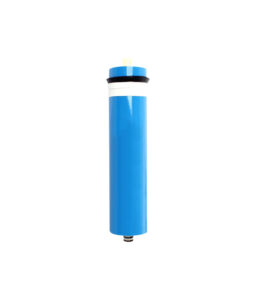
Reverse osmosis membranes operate most effectively within the manufacturer’s recommended pH range.
When feed water remains outside this range for extended periods, membrane performance may decline.
Consequently, many commercial RO systems monitor pH continuously.
Maintaining balanced water chemistry helps:
- Protect membranes.
- Improve salt rejection.
- Reduce fouling.
- Increase membrane lifespan.
- Lower maintenance costs.
Water Softeners
Water softeners remove calcium and magnesium through ion exchange.
Although they primarily reduce hardness, stable water chemistry supports efficient resin performance and reliable operation.
Activated Carbon Filters
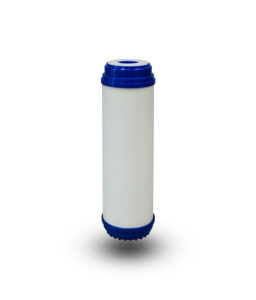
Activated carbon improves taste, odor, and chlorine removal.
However, it does not significantly change acidity or alkalinity.
For that reason, carbon filtration is often combined with other treatment technologies when pH correction is required.
Ultraviolet (UV) Water Sterilisation
UV systems disinfect water by neutralizing harmful microorganisms.
Because UV treatment does not alter dissolved minerals, it has very little effect on pH.
Nevertheless, maintaining balanced water chemistry supports consistent disinfection performance.
Chemical Dosing Systems
Many industrial and municipal facilities use chemical dosing to adjust water chemistry.
These systems help:
- Correct acidity.
- Reduce alkalinity.
- Improve coagulation.
- Optimise chlorination.
- Prevent corrosion.
- Reduce scaling.
As a result, chemical dosing remains one of the most effective methods for controlling pH in large treatment plants.
How to Correct Water pH
The best treatment solution depends on the underlying cause of the imbalance.
Rather than treating symptoms alone, professionals first identify the source of the problem through comprehensive water testing.
Correcting Acidic Water
When water is too acidic, treatment options may include the following:
- Calcite filters
- Magnesium oxide media
- Acid-neutralising filters
- Chemical dosing systems
- Blended treatment solutions
These methods gradually increase pH while helping to reduce corrosion.
Correcting Highly Alkaline Water
If water is excessively alkaline, treatment options may include the following:
- Controlled acid dosing
- Reverse osmosis systems
- Demineralisation
- Process-specific chemical treatment
Selecting the correct method depends on the complete water chemistry and the intended application.
Common Mistakes When Managing Water pH
Many water quality problems result from incorrect assumptions.
Avoiding these common mistakes helps maintain reliable treatment performance.
Assuming Clear Water Has the Correct pH
Clear water may still be highly acidic or strongly alkaline.
Therefore, appearance alone cannot determine water quality.
Ignoring Small Changes
Even a slight shift in pH may indicate changes in groundwater conditions, treatment performance, or contamination.
Routine monitoring helps detect these changes before they become serious.
Treating pH Without a Full Water Analysis
Adjusting pH without understanding the complete water chemistry may solve one problem while creating another.
A professional water analysis provides the information needed to select the most effective treatment strategy.
Neglecting Equipment Maintenance
Even the best treatment system requires regular servicing.
Replacing media, calibrating instruments, and inspecting equipment help maintain consistent water quality while reducing unexpected failures.
Frequently Asked Questions
What is the ideal pH for drinking water?
Most drinking water standards recommend maintaining a pH between 6.5 and 8.5. Within this range, water is less likely to cause corrosion, excessive scale formation, or treatment inefficiencies. However, the ideal value may vary depending on the water source and the intended application.
Is acidic water safe to drink?
Slightly acidic water is not always harmful. Nevertheless, it can corrode plumbing over time and increase the amount of metals, such as copper or lead, that dissolve into the water.
For this reason, homeowners should investigate persistently low pH levels through a professional water analysis.
Can alkaline water damage plumbing?
Yes, excessively alkaline water can encourage mineral scale to form inside pipes, water heaters, boilers, and other equipment.
Although scale develops gradually, it reduces water flow, lowers heat-transfer efficiency, and increases energy consumption. Regular monitoring helps identify these issues before they become expensive to repair.
Does reverse osmosis affect pH?
Reverse osmosis removes many dissolved minerals that naturally buffer water. Consequently, treated water often has a slightly lower pH than the incoming supply.
Many residential drinking water systems include a remineralization stage after the RO membrane. This stage improves taste while helping to stabilise the water.
Does boiling water change pH?
Boiling water may cause only minor changes to pH. However, it does not correct water chemistry problems or remove dissolved minerals.
If the water has an unsuitable pH, you should use an appropriate treatment system rather than relying on boiling.
How often should pH be tested?
Testing frequency depends on the water source and how the water is used.
As a general guide:
- Municipal drinking water: Every 6–12 months
- Borehole water: Every 3–6 months
- Commercial systems: According to the maintenance schedule
- Industrial facilities: Continuous or routine monitoring, depending on the process
Regular testing allows you to identify changes early and maintain consistent water quality.
Can pH alone determine water quality?
No. Although pH is an essential measurement, it represents only one part of a complete water analysis.
A comprehensive assessment should also include:
- Total Dissolved Solids (TDS)
- Electrical Conductivity (EC)
- Turbidity
- Water Hardness
- Iron and Manganese
- Nitrates
- Sulphates
- Chlorides
- Microbiological testing
Together, these tests provide a far more accurate picture of overall water quality.
Final Thoughts
Understanding water pH is essential for anyone who wants to protect their plumbing, improve water quality, and maximise the performance of a treatment system. Although pH does not identify specific contaminants, it strongly influences corrosion, scaling, chemical reactions, and the effectiveness of many purification technologies.
Whether your water comes from a municipal supply, a borehole, a river, or a rainwater harvesting system, routine monitoring helps you detect changes before they develop into costly problems. Moreover, combining pH testing with a full water analysis allows you to choose the most appropriate treatment solution for your home or business.
If testing reveals that your water falls outside the recommended range, several treatment options are available. Depending on the cause, these may include acid-neutralising filters, chemical dosing systems, reverse osmosis, or specialised treatment technologies designed for commercial and industrial applications.
At Puritech, we help homeowners, businesses, and industries understand their water quality and select reliable treatment solutions. From professional water testing to complete purification systems, our team can recommend the right approach for your specific application.