Polypropylene Filters South Africa: Uses in Water Treatment
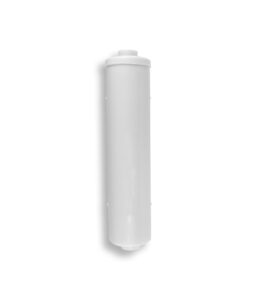
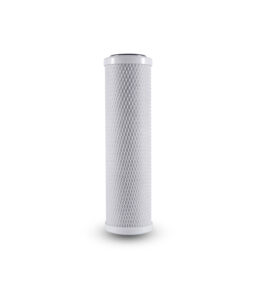
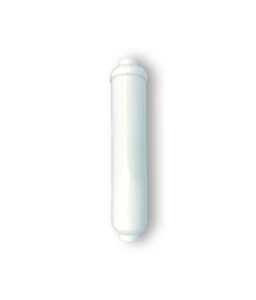
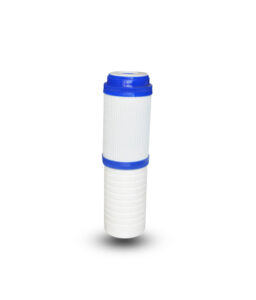
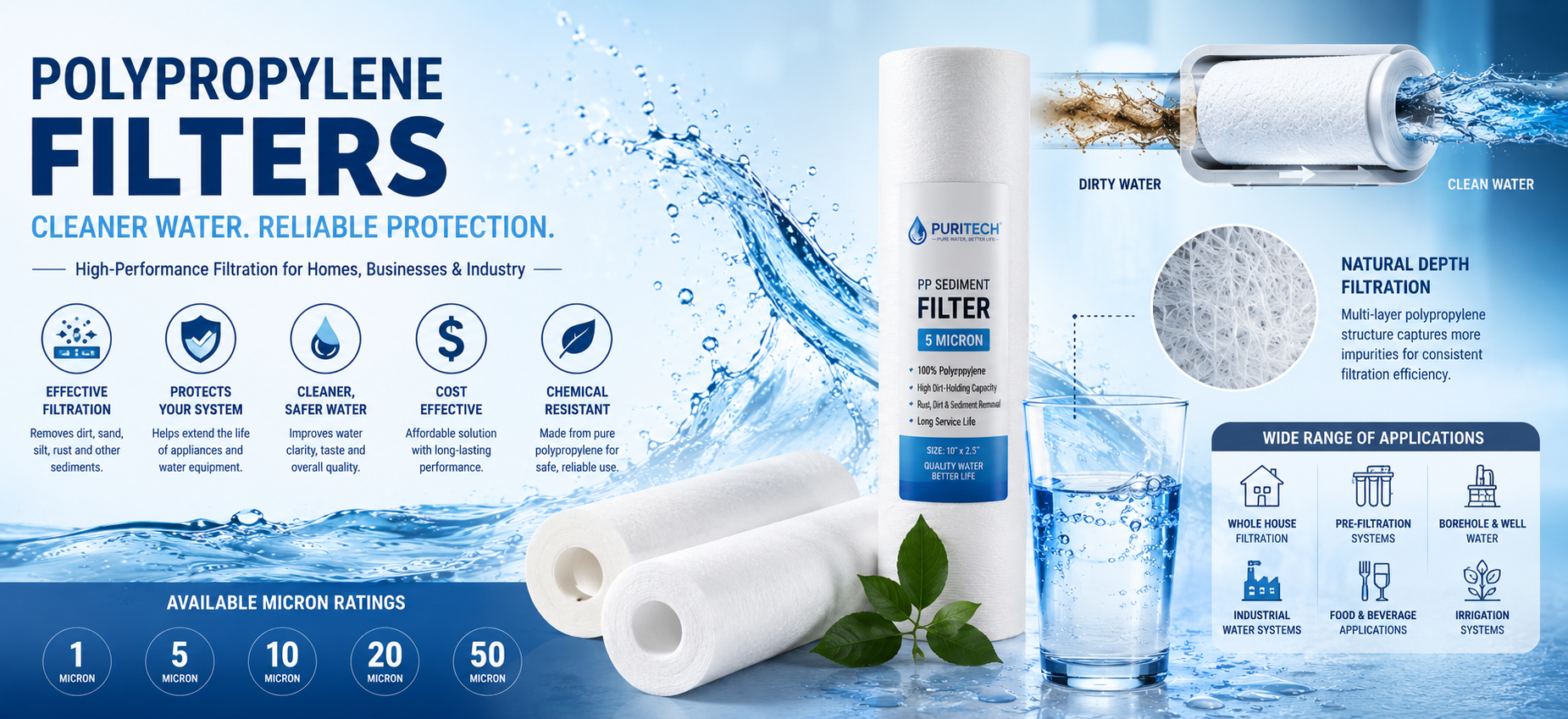
Polypropylene filters in South Africa are widely used in water treatment systems to remove dirt, sediment, rust, and other suspended particles. These filters are essential in protecting more advanced filtration stages such as reverse osmosis (RO) membranes and UV systems.
Because they are cost-effective and efficient, polypropylene (PP) filters are commonly used in both domestic and industrial water purification systems.
What Are Polypropylene Filters?
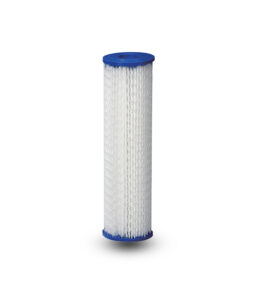
Polypropylene filters are sediment filters made from a non-toxic plastic material called polypropylene. This material is formed into a dense fiber structure that captures particles as water passes through.
As a result, these filters help improve water clarity and protect downstream filtration equipment.
How Polypropylene Filters Work
Polypropylene filters use a depth filtration method. Water flows through multiple layers of fibers, which trap particles at different levels.
The filtration process works as follows:
- Larger particles are trapped in outer layers
- Smaller particles are captured deeper inside
- Clean water passes through the centre
Therefore, the filter provides efficient multi-layer protection.
What Do Polypropylene Filters Remove?
Polypropylene filters are designed to remove common suspended solids such as
- Sand
- Rust
- Dirt
- Silt
- Dust particles
- Organic debris
In addition, they improve overall water clarity and reduce system clogging.
Why Polypropylene Filters Are Important in South Africa
In South Africa, water quality varies significantly between regions. For this reason, sediment and particulate contamination is common in both municipal and borehole water supplies.
Polypropylene filters are important because they:
- Protect household plumbing systems
- Extend the lifespan of RO membranes
- Improve efficiency of UV and carbon filters
- Reduce maintenance costs
As a result, they are a critical first-stage filtration component.
Applications of Polypropylene Filters
Polypropylene filters are used in many water treatment applications, including:
- Domestic RO water systems
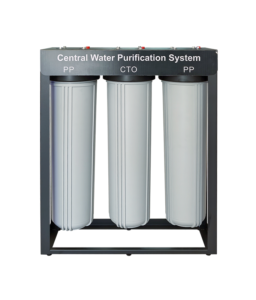
- Whole-house filtration systems
- Borehole water treatment
- Industrial water processing
- Commercial purification systems
Moreover, they are often used as the first stage in multi-stage filtration setups.
Types of Polypropylene Filters
Different types of PP filters are available depending on usage:
-
Melt-Blown PP Filters
- These are the most common types and offer deep filtration.
-
String-Wound Filters
- These provide high dirt-holding capacity and long service life.
-
Pleated PP Filters
- These offer higher flow rates and reusable options in some cases.
Benefits of Polypropylene Filters
Polypropylene filters offer several key benefits:
-
Cost-Effective Filtration
- They provide affordable protection for water systems.
-
High Efficiency
- They remove fine and coarse particles effectively.
-
System Protection
- They prevent damage to RO membranes and UV systems.
-
Easy Replacement
- They are simple to install and replace.
Installation Position in Water Systems
Polypropylene filters are typically installed as the first stage in a filtration system:
Sediment Filter → Carbon Filter → RO Membrane → Final Treatment
This ensures that larger particles are removed before finer filtration stages.
Maintenance and Replacement
To maintain optimal performance:
- Replace every 3–6 months, depending on water quality
- Monitor pressure drop for clogging
- Flush system during replacement
Regular maintenance ensures a long system lifespan.
Final Thoughts
Polypropylene filters in South Africa play a vital role in water treatment systems. They act as the first line of defense against sediment and particles, protecting advanced filtration equipment and improving overall water quality.
For households and businesses, they remain one of the most important and cost-effective components of any water purification system.