Water Treatment for Hotels, Lodges and Hospitality: Delivering Exceptional Guest Experiences
Water plays a vital role in every hotel, lodge, guesthouse, and resort. Guests expect clean, safe, great-tasting water from the moment they check in. Whether they are enjoying a hot shower, drinking a glass of water, having coffee at breakfast, relaxing at the spa, or swimming in the pool, water quality shapes their overall experience.
For hospitality businesses, poor water quality is more than an inconvenience—it can affect guest satisfaction, increase maintenance costs, shorten the lifespan of expensive equipment, and even lead to negative online reviews. Hard water can leave unsightly scale on taps and showerheads, chlorine can affect the taste of drinking water, and untreated water may reduce the efficiency of boilers, laundries, and kitchen equipment.
Every hospitality establishment is different. A boutique guesthouse with ten rooms has very different water requirements from a five-star hotel, safari lodge, conference centre, or coastal resort. Some properties rely entirely on municipal water, while others depend on boreholes or a combination of sources.
This is why every hotel water treatment system should begin with a professional laboratory water analysis. Understanding the water quality allows engineers to design a treatment solution that protects equipment, improves guest comfort, and supports efficient day-to-day operations.
In this guide, we’ll explore how hotels and hospitality businesses use water, the common water quality challenges they face, and the technologies that help deliver reliable, high-quality water throughout the property.
Why Water Quality Matters in the Hospitality Industry
Guests often judge a hotel by the smallest details.
They notice when:
- Drinking water has an unpleasant taste or odour.
- Showerheads become blocked with scale.
- Towels feel rough after washing.
- Glassware appears cloudy.
- Ice cubes are cloudy instead of crystal clear.
- Coffee and tea taste different every day.
- Bathroom fittings develop white mineral deposits.
These issues may seem minor, but together they influence how guests perceive the quality of the establishment.
High-quality water enhances the guest experience while helping hotels maintain their reputation.
Where Hotels Use Water
Hotels consume large volumes of water every day across multiple departments.
Each application places different demands on the treatment system.
Guest Rooms
Guest rooms account for a significant portion of a hotel’s water consumption.
Water is used for:
- Showers.
- Baths.
- Wash basins.
- Toilets.
- Drinking water.
- Tea and coffee stations.
Guests expect water that is clean, clear, odor-free, and pleasant to drink.
Hard water can cause:
- White deposits on shower doors.
- Scale on taps.
- Reduced shower performance.
- Blocked showerheads.
- Frequent plumbing maintenance.
Proper filtration and water softening help maintain a premium guest experience.
Hotel Restaurants and Kitchens
Restaurants and kitchens rely heavily on water for:
- Cooking.
- Food preparation.
- Beverage production.
- Ice machines.
- Dishwashing.
- Cleaning.
Water quality directly affects:
- Coffee flavour.
- Tea quality.
- Food preparation.
- Ice clarity.
- Dishwasher performance.
Many hotels install dedicated reverse osmosis systems for beverage preparation to ensure consistent quality.
Laundry Facilities
Large hotels wash hundreds—or even thousands—of towels, sheets, blankets, uniforms, and tablecloths every day.
Hard water increases:
- Detergent consumption.
- Scale inside washing machines.
- Heating costs.
- Fabric wear.
- Equipment maintenance.
Water softeners help improve washing performance while reducing operational costs.
Swimming Pools
Pool water quality is essential for guest safety and enjoyment.
Treatment systems may help improve:
- Water clarity.
- Filtration efficiency.
- Chemical performance.
- Overall water balance.
Proper treatment contributes to cleaner, more inviting swimming pools.
Spas and Wellness Centres
Luxury hotels often include the following:
- Hydrotherapy pools.
- Jacuzzis.
- Steam rooms.
- Wellness centers.
These facilities require carefully managed water quality to ensure reliable operation and guest comfort.
Depending on the application, treatment may include filtration, softening, UV sterilization, or other technologies.
Boilers and Hot Water Systems
Hotels require reliable hot water throughout the day.
Boilers and hot water systems are particularly susceptible to:
- Hardness.
- Scale formation.
- Corrosion.
- Reduced heating efficiency.
Even a thin layer of scale can increase energy consumption and reduce equipment lifespan.
Treatment often includes:
- Water softening.
- Reverse osmosis (where appropriate).
- Chemical dosing.
- pH correction.
Cooling Towers and HVAC Systems
Large hotels use cooling towers and HVAC systems to maintain comfortable indoor temperatures.
Untreated water can contribute to:
- Scale.
- Corrosion.
- Biological growth.
- Reduced heat transfer.
Proper water treatment improves energy efficiency and helps protect critical infrastructure.
Common Water Quality Challenges in Hotels
Although every property differs, hospitality businesses commonly experience the following:
- Hard water.
- Chlorine taste and odor.
- Sediment.
- Iron.
- Manganese.
- High Total Dissolved Solids (TDS).
- Variable borehole water quality.
- Seasonal changes in water quality.
Ignoring these issues often leads to higher maintenance costs and unnecessary equipment replacement.
Why Every Hotel Should Start with a Professional Laboratory Water Analysis
Many hotel owners ask:
“Which water treatment system should we install?”
The answer depends entirely on the quality of the source water.
A professional laboratory water analysis identifies the characteristics of the water and provides the information needed to design an effective treatment system.
Typical parameters include the following:
- pH.
- Hardness.
- Total Dissolved Solids (TDS).
- Conductivity.
- Turbidity.
- Iron.
- Manganese.
- Chlorides.
- Sulphates.
- Nitrates.
- Fluoride.
- Microbiological quality.
Without these results, selecting treatment equipment becomes guesswork.
A professionally designed system protects equipment, improves guest satisfaction, and helps reduce long-term operating costs.
Case Study 1: Boutique Hotel with Hard Municipal Water
A 40-room boutique hotel begins receiving frequent guest complaints about shower pressure, white marks on bathroom fittings, and poor-tasting coffee served at breakfast.
Maintenance staff also report increasing scale build-up in geysers and kitchen equipment.
A professional laboratory water analysis reveals:
- High hardness.
- Moderate chlorine.
- Acceptable microbiological quality.
- Moderate Total Dissolved Solids.
Recommended Treatment
- Sediment filtration.
- Activated carbon filtration.
- Water softener.
- Reverse osmosis system for the kitchen and beverage stations.
- UV sterilization for treated drinking water.
Results
Within a few months, the hotel reports:
- Better tasting drinking water.
- Improved coffee and tea quality.
- Reduced scale buildup.
- Lower maintenance costs.
- Increased guest satisfaction.
- Longer equipment lifespan.
Water Treatment Technologies for Hotels, Lodges and Hospitality
Every hospitality property has unique water treatment requirements. A luxury safari lodge supplied by a borehole faces different challenges from a city hotel connected to a municipal water supply. Likewise, a beach resort may contend with higher salinity, while a mountain lodge may need to address sediment and seasonal water quality changes.
For this reason, hotel water treatment systems should never be selected based on assumptions. Every solution should begin with a professional laboratory water analysis to ensure the treatment process addresses the actual water quality.
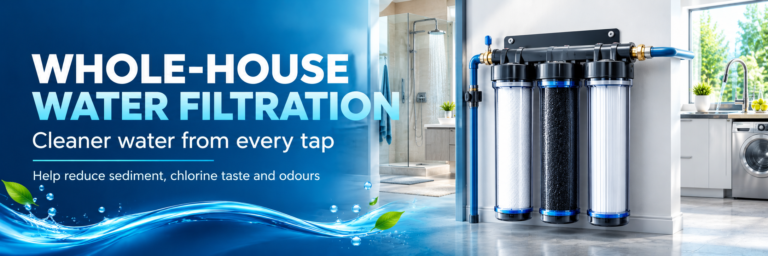
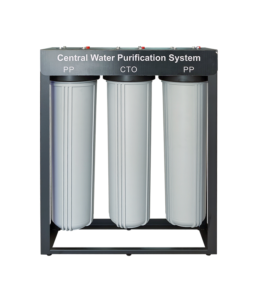
Most hospitality establishments benefit from a multi-stage treatment system that improves drinking water quality, protects expensive equipment, and reduces long-term operating costs.
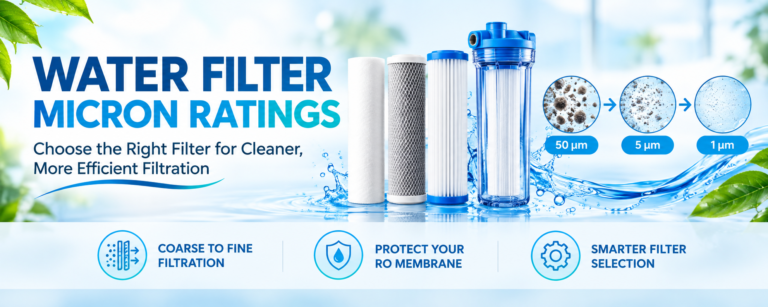
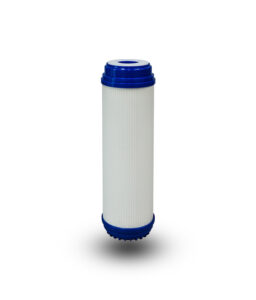
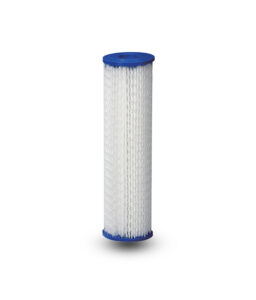
Sediment Filtration
Sediment filtration is typically the first stage in a hotel water treatment system.
Its purpose is to remove suspended particles before the water reaches more advanced treatment equipment.
Common contaminants include:
- Sand
- Silt
- Rust
- Dirt
- Clay
- Organic particles
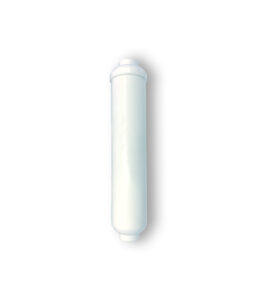
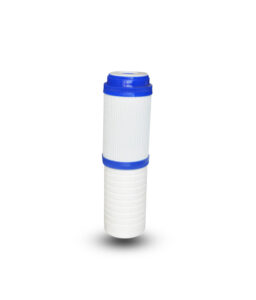
Removing these contaminants protects pumps, valves, carbon filters, reverse osmosis membranes, UV systems, and plumbing throughout the property.
Hotels supplied by boreholes or older municipal infrastructure often benefit significantly from effective sediment filtration.
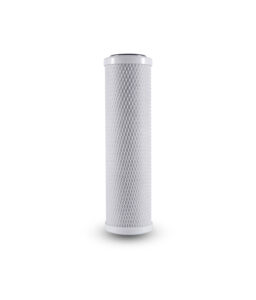
Activated Carbon Filtration
Guests immediately notice the taste and smell of drinking water.
Activated carbon filtration improves water by reducing:
- Chlorine
- Unpleasant tastes
- Odours
- Organic compounds
Hotels commonly install activated carbon systems to improve water served in:
- Guest rooms
- Restaurants
- Bars
- Coffee stations
- Conference facilities
Activated carbon also protects reverse osmosis membranes by removing chlorine before the water reaches the membrane.
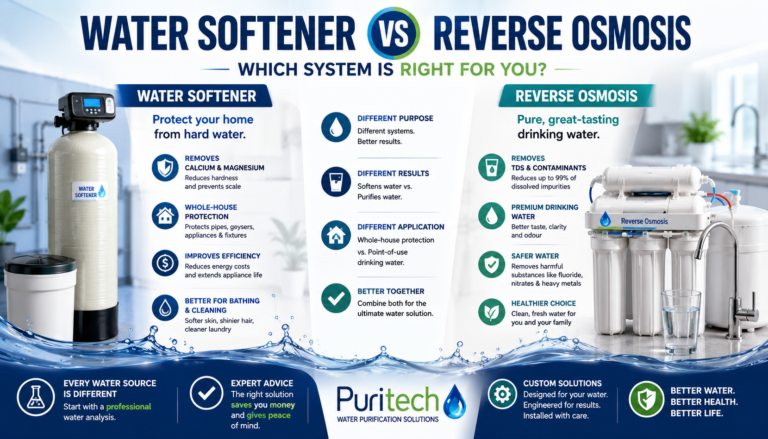
Water Softeners
Hard water remains one of the biggest maintenance challenges in the hospitality industry.
When calcium and magnesium levels are high, scale gradually forms inside:
- Boilers
- Geysers
- Coffee machines
- Dishwashers
- Washing machines
- Heat exchangers
- Showerheads
- Taps
- Pipework
Scale reduces energy efficiency while increasing maintenance costs.
Installing a correctly sized water softener helps:
- Reduce scale formation.
- Improve heating efficiency.
- Extend equipment lifespan.
- Lower maintenance costs.
- Improve laundry performance.
For many hotels, a water softener provides one of the quickest returns on investment.
Reverse Osmosis Systems
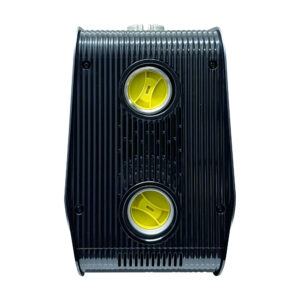
Reverse osmosis (RO) systems produce high-quality purified water by removing many dissolved contaminants, including excess salts, hardness, nitrates, fluoride, and other impurities.
Hotels frequently install reverse osmosis systems for:
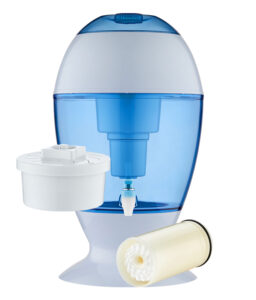
- Drinking water stations.
- Restaurants.
- Bars.
- Coffee machines.
- Ice machines.
- Conference facilities.
- Executive lounges.
Some premium establishments also bottle purified water on-site, providing guests with branded still or sparkling water while reducing reliance on purchased bottled water.
Reverse osmosis helps ensure consistent taste, improved beverage quality, and crystal-clear ice.
UV Water Sterilisation
Ultraviolet (UV) sterilization provides an additional level of microbiological protection without altering the taste or odour of the water.
UV systems are often installed:
- After reverse osmosis.
- Before storage tanks.
- Before final distribution points.
- At dedicated drinking water stations.
This technology helps maintain water quality while avoiding the addition of chemicals.
Borehole Water Treatment
Many lodges, game reserves, eco-resorts, and rural guesthouses rely entirely on borehole water.
Although boreholes provide an independent water source, untreated groundwater may contain:
- High iron.
- Manganese.
- Hardness.
- Sediment.
- Elevated Total Dissolved Solids (TDS).
- Low pH.
- Microbiological contamination.
Because borehole water varies significantly between locations, treatment should always follow a professional laboratory water analysis.
Depending on the results, the treatment system may include the following:
- Multimedia filtration.
- Iron and manganese removal.
- Water softening.
- Activated carbon filtration.
- Reverse osmosis.
- UV sterilization.
- pH correction.
This customized approach ensures that the final water quality meets the property’s operational requirements.
Case Study 2: Safari Lodge Using Borehole Water
A luxury safari lodge in Limpopo relies on a borehole as its primary water source.
Guests appreciate the remote location, but management receives occasional complaints about metallic-tasting water and brown staining on bathroom fixtures.
A professional laboratory water analysis identifies:
- Elevated iron.
- Elevated manganese.
- Moderate hardness.
- Slightly acidic pH.
Recommended Treatment
- Multimedia filtration.
- Iron removal system.
- Manganese removal system.
- pH correction.
- Water softener.
- Activated carbon filtration.
- UV sterilisation.
Results
Within weeks, the lodge notices the following:
- Clearer water.
- Elimination of metallic taste.
- Cleaner bathroom fittings.
- Reduced staining.
- Lower maintenance requirements.
- Improved guest reviews.
Case Study 3: Coastal Resort
A coastal resort experiences accelerated corrosion in plumbing equipment and inconsistent drinking water quality.
Testing confirms elevated dissolved salts due to the local water source.
Recommended Treatment
- Sediment filtration.
- Activated carbon filtration.
- Reverse osmosis.
- UV-Sterilisation.
- Food-grade storage tanks.
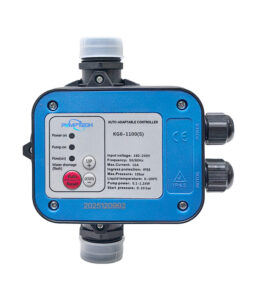
- Booster pump system.
Results
The resort achieves:
- Consistent drinking water quality.
- Improved guest satisfaction.
- Reduced corrosion.
- Lower maintenance costs.
- Better beverage quality.
Case Study 4: Conference Hotel
A busy conference hotel serves hundreds of delegates every week.
Although the municipal supply complies with drinking water standards, chlorine taste affects coffee, tea, and drinking water served during conferences.
Recommended Treatment
- Sediment filtration.
- Activated carbon filtration.
- Reverse osmosis for beverage preparation.
- UV sterilization.
Results
The hotel reports:
- Better tasting beverages.
- Improved customer feedback.
- Reduced bottled water purchases.
- Consistent beverage quality during large events.
Sustainability and Water Efficiency
Modern hospitality businesses increasingly focus on sustainability.
Guests appreciate environmentally responsible operations, and efficient water treatment can support these initiatives.
Potential strategies include:
- Installing high-efficiency reverse osmosis systems.
- Reducing unnecessary water losses.
- Monitoring water consumption.
- Maintaining equipment regularly.
- Optimizing treatment system performance.
- Using energy-efficient pumps.
- Installing smart control systems.
Where appropriate and in accordance with applicable regulations, some properties may also explore opportunities to reuse treated water for suitable non-potable applications such as irrigation or landscape maintenance.
In addition to lowering operating costs, these measures can support environmental goals and strengthen a property’s sustainability credentials.
Why Every Hotel Requires a Custom Water Treatment System
No two hospitality businesses have identical water requirements.
The correct solution depends on factors such as the following:
- Number of guest rooms.
- Occupancy levels.
- Restaurants and kitchens.
- Laundry capacity.
- Spa and wellness facilities.
- Swimming pools.
- Water source.
- Water quality.
- Daily consumption.
- Peak demand periods.
- Future expansion plans.
A hotel that overlooks these differences may invest in equipment that is either undersized, oversized, or unsuitable for its actual needs.
For this reason, Puritech begins every hospitality project with a professional laboratory water analysis, followed by a detailed assessment of the property’s operational requirements. This ensures the treatment system is designed to deliver reliable performance, protect valuable assets, and enhance the guest experience over the long term.
Preventative Maintenance: Keeping Hotel Water Treatment Systems Performing at Their Best
Installing a high-quality water treatment system is only the first step. To ensure consistent water quality and reliable operation, hotels should implement a preventative maintenance programme that keeps every component operating efficiently.
Hospitality businesses operate every day of the year. Unlike many commercial facilities, hotels cannot simply shut down for unexpected repairs. A failed water treatment system can affect guest rooms, restaurants, laundries, spas, conference facilities, and other essential services.
Routine maintenance helps:
- Maintain consistent water quality.
- Protect expensive equipment.
- Reduce unexpected breakdowns.
- Lower long-term operating costs.
- Extend the lifespan of treatment equipment.
- Improve energy efficiency.
- Minimise guest disruptions.
A well-maintained system is not only more reliable but also more cost-effective over its lifetime.
Recommended Maintenance Schedule
The maintenance schedule depends on the property’s water quality, treatment technologies, operating hours, and water demand. The following guidelines provide a practical starting point.
Daily
- Inspect the treatment system for alarms or faults.
- Record operating pressures and flow rates.
- Check booster pumps for unusual noise or leaks.
- Verify that UV systems are operating correctly.
- Ensure storage tanks are functioning as intended.
Weekly
- Inspect sediment filters.
- Check activated carbon filters.
- Review system performance logs.
- Inspect valves, fittings, and pipework.
- Check water softener operation and regeneration cycles.
Monthly
- Test treated water quality.
- Inspect reverse osmosis membranes.
- Check UV intensity indicators where fitted.
- Inspect storage tanks.
- Review water consumption trends.
- Verify chemical dosing equipment where installed.
Annually
- Replace consumable components according to the manufacturer’s recommendations.
- Service pumps and motors.
- Calibrate monitoring instruments.
- Review the property’s professional laboratory water analysis.
- Assess opportunities for system optimisation or expansion.
Preventative maintenance reduces unexpected downtime while helping hotels maintain consistently high water quality for guests and staff.
Monitoring Water Quality
Water quality can change over time.
Municipal supplies may vary because of seasonal conditions, infrastructure upgrades, or changes in treatment processes. Borehole water may also change due to rainfall, groundwater movement, or nearby developments.
Hotels should therefore monitor key water quality indicators regularly.
Typical parameters include:
- pH.
- Total Dissolved Solids (TDS).
- Conductivity.
- Hardness.
- Turbidity.
- Chlorine residual.
- Iron.
- Manganese.
- Microbiological quality where appropriate.
Regular monitoring helps maintenance teams identify changes before they affect guests or equipment.
Return on Investment (ROI)
Many hotel owners initially view water treatment as an expense.
In reality, a professionally designed water treatment system often delivers measurable financial returns.
Potential savings include:
- Lower maintenance costs.
- Reduced energy consumption.
- Longer equipment lifespan.
- Reduced detergent use.
- Fewer plumbing repairs.
- Lower bottled water costs.
- Improved guest satisfaction.
- Better online reviews.
- Increased repeat bookings.
For example, preventing scale in boilers and hot water systems improves heat transfer efficiency, which can reduce energy consumption while extending equipment life. Similarly, supplying purified water to restaurants and coffee stations can enhance the taste of beverages and create a more consistent guest experience.
When these savings are considered over the life of the equipment, many hotels find that a professionally designed treatment system provides an excellent return on investment.
Common Mistakes Hotels Make
Even well-managed properties can make costly decisions when selecting water treatment systems.
Purchasing Equipment Without a Water Analysis
Every hotel’s water source is different.
Installing equipment before completing a professional laboratory water analysis often results in inappropriate system selection.
The analysis should always come first.
Choosing the Cheapest System
The lowest purchase price is rarely the lowest lifetime cost.
Lower-quality equipment may require:
- More frequent servicing.
- Earlier replacement.
- Higher operating costs.
- Greater energy consumption.
Investing in quality equipment usually reduces the total cost of ownership.
Ignoring Future Expansion
Hotels frequently expand by adding:
- Additional guest rooms.
- Conference facilities.
- Restaurants.
- Spa facilities.
- Swimming pools.
Planning for future growth during the initial design stage makes future upgrades easier and more cost-effective.
Delaying Maintenance
Ignoring routine servicing often leads to:
- Reduced water quality.
- Scale build-up.
- Membrane fouling.
- Equipment damage.
- Unexpected downtime.
- Higher repair costs.
Scheduled maintenance is considerably less expensive than emergency repairs.
Why Partner with Puritech?
At Puritech, we understand that every hospitality property has unique water treatment requirements.
Rather than recommending a standard system, we begin by understanding your property, reviewing your water quality, and identifying your operational goals.
Our hospitality water treatment services include:
- Professional consultation.
- Review of professional laboratory water analysis reports.
- Custom system design.
- Equipment supply.
- Professional installation.
- System commissioning.
- Preventative maintenance.
- Technical support.
- Replacement consumables.
- System upgrades and optimization.
Whether you operate a boutique guesthouse, a luxury safari lodge, a beachfront resort, or a large hotel group, we design systems that deliver reliable performance, protect valuable equipment, and enhance the guest experience.
Frequently Asked Questions
Why do hotels need water treatment systems?
Water treatment improves drinking water quality, protects plumbing and equipment, reduces scale, lowers maintenance costs, and enhances the overall guest experience.
Can municipal water still benefit from treatment?
Yes.
Although municipal water generally meets drinking water standards, it may still contain chlorine, hardness, sediment, or other characteristics that affect taste and equipment performance.
Do hotels using borehole water require different treatment?
Yes.
Borehole water quality varies significantly from one location to another. A professional laboratory water analysis determines the appropriate treatment process.
How often should hotel water treatment systems be serviced?
Service intervals depend on water quality, usage, and system design. Preventative maintenance helps maintain reliable performance and extend equipment life.
Can a hotel install reverse osmosis only for drinking water?
Absolutely.
Many hotels install reverse osmosis systems specifically for:
- Restaurants.
- Coffee stations.
- Bars.
- Ice machines.
- Conference facilities.
- Guest drinking water stations.
This provides high-quality drinking water without treating the entire property’s water supply through reverse osmosis.
Is water softening worth the investment?
In areas with hard water, yes.
Water softeners reduce scale formation, improve heating efficiency, extend equipment life, and lower maintenance costs, often providing an excellent return on investment.
Final Thoughts
Guests may not always notice a well-designed water treatment system, but they quickly notice poor water quality.
Fresh-tasting drinking water, reliable hot showers, spotless bathroom fittings, crystal-clear ice, quality coffee, and clean, soft linen all contribute to a memorable guest experience. Behind each of these is a water treatment system that has been designed to meet the property’s specific requirements.
Because every hotel, lodge, guesthouse, and resort has different water sources, occupancy levels, and operational needs, no single solution suits every property. The process should always begin with a professional laboratory water analysis, followed by a customised system design that addresses the actual water quality and daily demand.
At Puritech, we help hospitality businesses throughout South Africa design, install, and maintain reliable water treatment systems that protect equipment, reduce operating costs, and enhance the guest experience. Whether your property uses municipal water, borehole water, or a combination of both, our team can develop a solution tailored to your needs today and as your business grows.