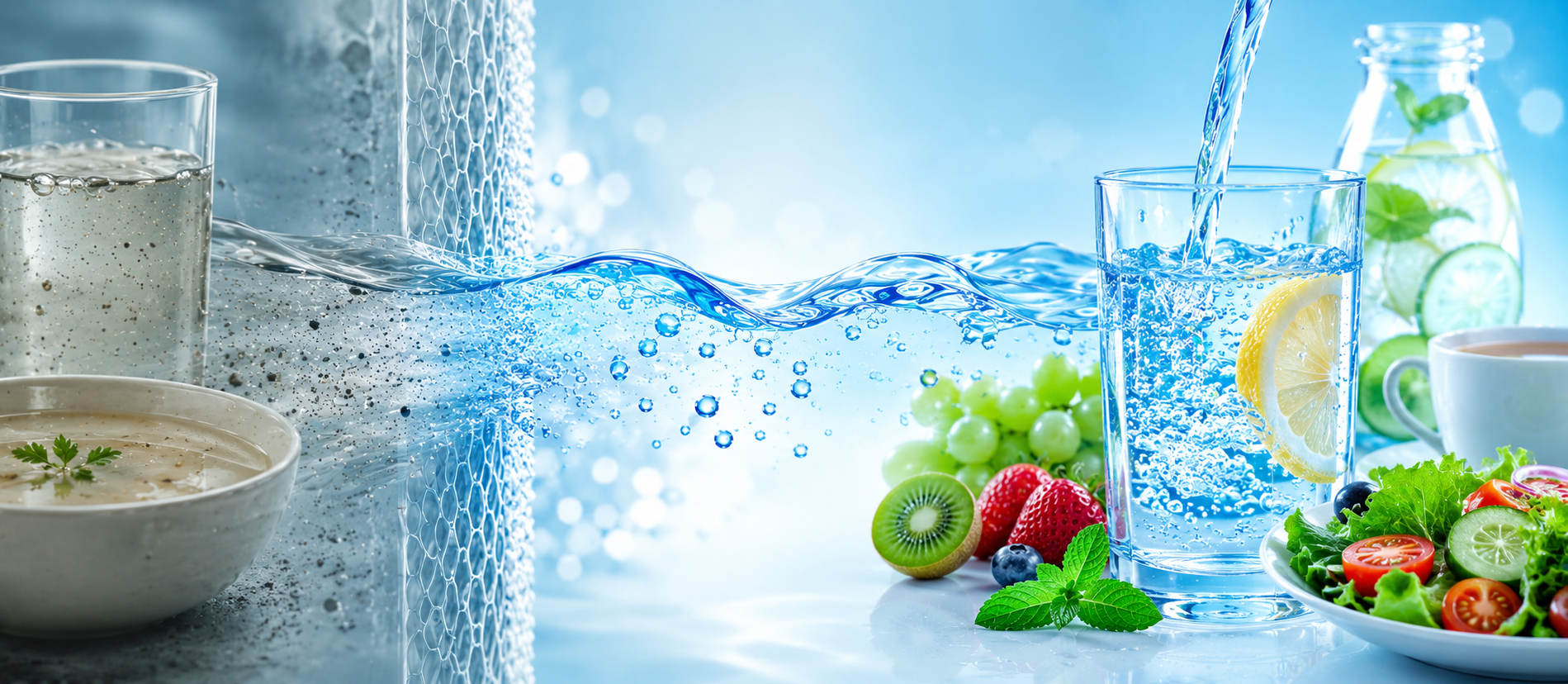
How Water Quality and Taste Affect Your Food and Drinks
The relationship between water quality and taste plays a major role in the flavor of your food, coffee, tea, and everyday beverages. Since water is used in cooking and drink preparation daily, poor-quality water can negatively affect flavor, texture, smell, and overall food quality.
Water containing excess chlorine, minerals, sediment, or impurities can alter the natural taste of ingredients and reduce the quality of meals and beverages. Improving water quality helps create cleaner flavors and better cooking results throughout the home.
Why Water Quality and Taste Matter
Water is one of the most important ingredients in cooking and beverage preparation. From boiling vegetables to brewing coffee, the quality of the water directly impacts the final result.
Poor water quality may contain the following:
- Excess chlorine
- Hard water minerals
- Sediment and impurities
- Unpleasant odours
- Dissolved contaminants
These elements can change the flavor profile of food and drinks, making them taste dull, bitter, metallic, or chemically treated.
How Water Affects Coffee and Tea
Coffee and tea are especially sensitive to changes in water quality. Since these beverages are made mostly from water, poor-quality water can overpower natural flavours and aromas.
Effects of Poor Water Quality
- Bitter or flat coffee taste
- Reduced tea flavour and aroma
- Mineral build-up in kettles and coffee machines
- Inconsistent brewing quality
Improving water quality and taste helps enhance the natural flavors of coffee beans and tea leaves while protecting brewing equipment from scale build-up.
The Impact of Water on Cooking
Water used for cooking pasta, rice, soups, vegetables, and sauces can affect texture and flavor. Chlorine and mineral-heavy water may interfere with seasoning and ingredient balance.
Using cleaner water can help:
- Improve ingredient flavour
- Enhance food texture
- Reduce unwanted odours
- Support better cooking consistency
Filtered water is often preferred for recipes where water is a primary ingredient.
Hard Water and Taste Problems
Hard water contains high levels of calcium and magnesium. While not always harmful, these minerals can create taste issues and leave residue inside appliances and cookware.
Common signs of hard water include:
- White scale build-up
- Metallic or chalky taste
- Stains on kettles and sinks
- Reduced appliance efficiency
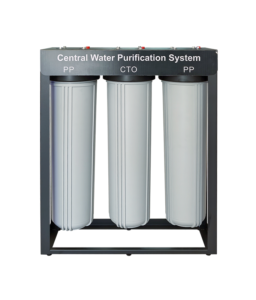
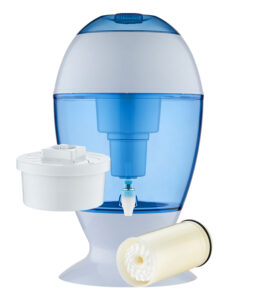
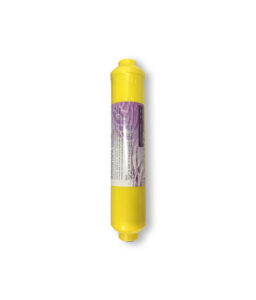
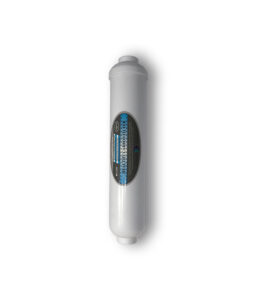
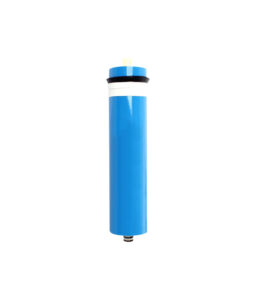
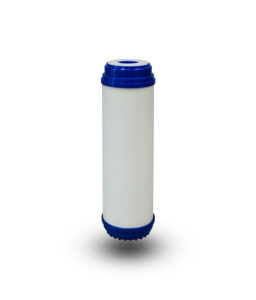
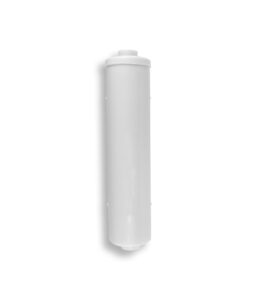
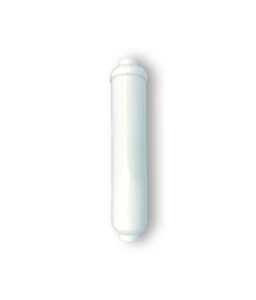
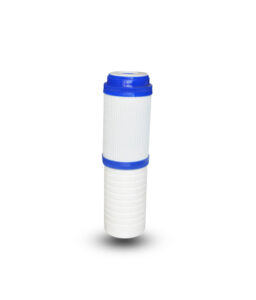
A water filtration or softening system can help improve both water quality and appliance performance.
Benefits of Better Water Quality
Improving water quality and taste offers several benefits for homes and businesses.
Key Benefits
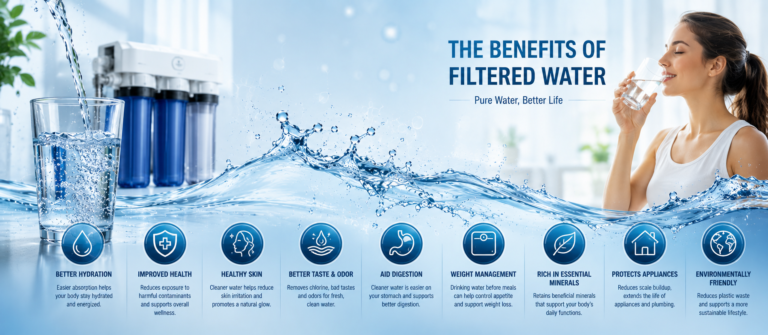
- Better-tasting drinking water
- Improved coffee and tea flavour
- Enhanced cooking results
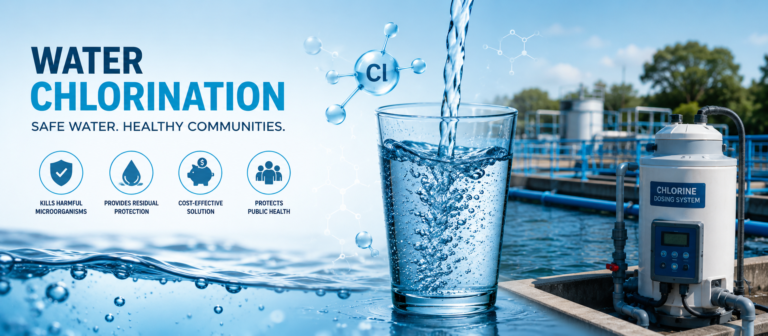
- Reduced chlorine taste and odours
- Less scale build-up in appliances
- Cleaner and fresher beverages
Clean water helps preserve the natural flavors of food and drinks while improving overall water usability.