
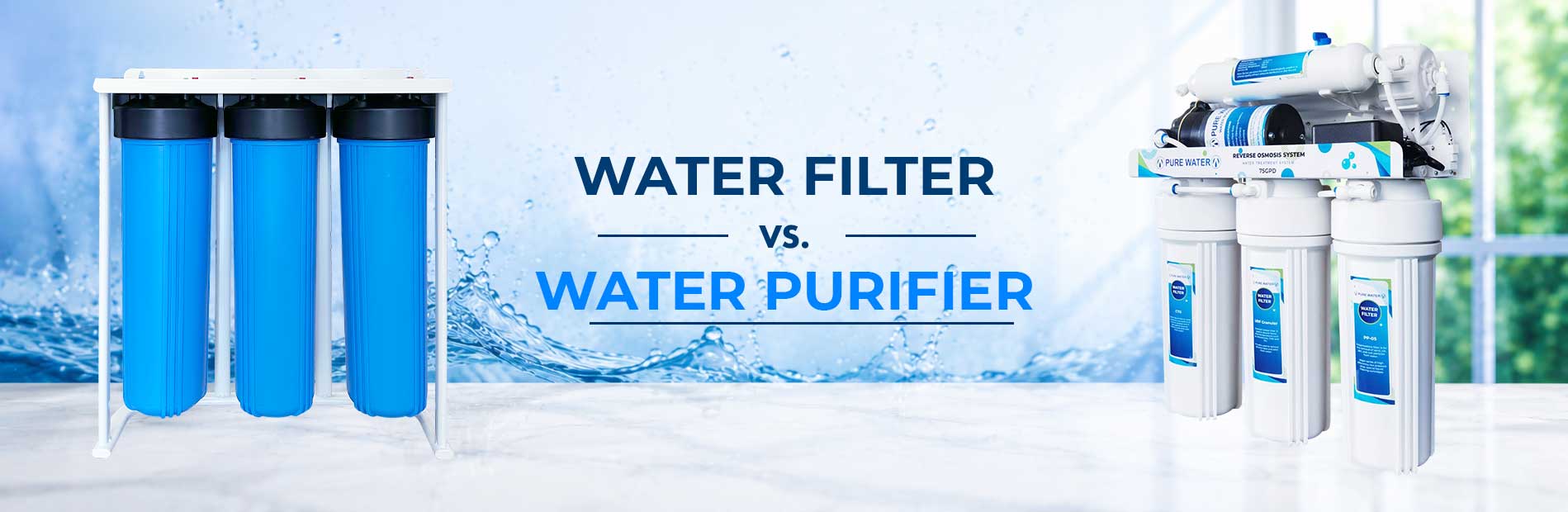
Water Filter vs Water Purifier: What’s the Difference?
Water filter vs water purifier is a common question for anyone looking to improve their drinking water. Although both systems help produce cleaner water, they work in different ways and remove different contaminants. As a result, choosing the right solution depends on your water quality and treatment needs.
Clean drinking water is essential for good health. However, many people are unsure whether they need a water filter or a water purifier. While a water filter is designed to remove sediment, chlorine, and unwanted tastes, a water purifier provides a higher level of protection against bacteria, viruses, and dissolved contaminants. Therefore, understanding the difference can help you make a more informed decision.
What Is a Water Filter in the Water Filter vs Water Purifier Comparison?
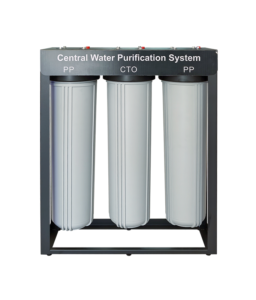
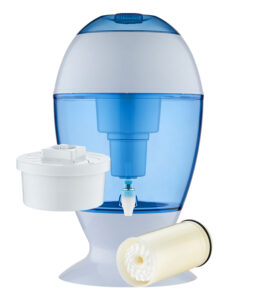
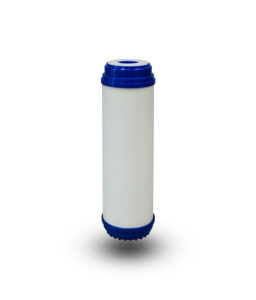
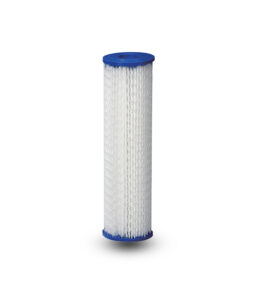
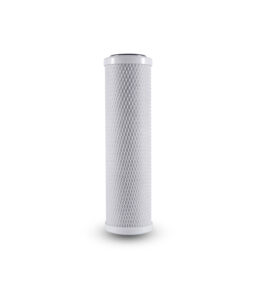
A water filter is a system that improves water quality by removing particles and certain chemicals. In most cases, water filters use activated carbon, sediment cartridges, or ceramic media. As a result, the water often tastes better and smells fresher.
Furthermore, water filters are affordable, easy to maintain, and suitable for many homes and businesses. However, they may not remove all microorganisms or dissolved contaminants.
Benefits of a Water Filter
- Improves taste and odour
- Reduces chlorine levels
- Removes dirt, sediment, and rust
- Requires minimal maintenance
- Provides a cost-effective water treatment solution
Water Filter vs Water Purifier: What Is a Water Purifier?
A water purifier is designed to provide a more advanced level of water treatment. Unlike standard filtration systems, water purifiers can remove bacteria, viruses, heavy metals, and dissolved impurities.
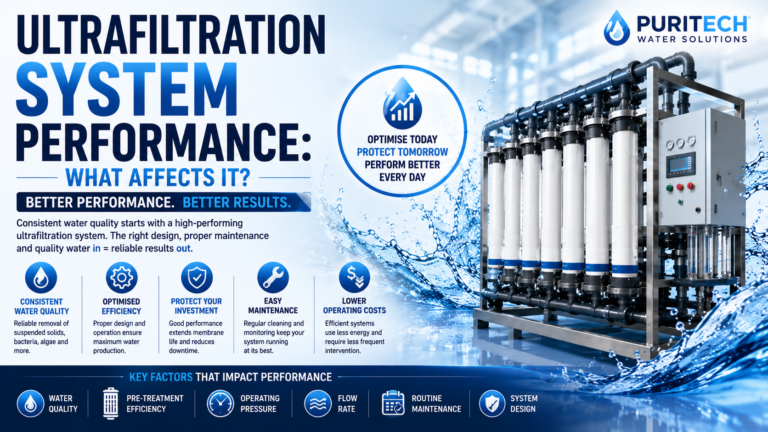
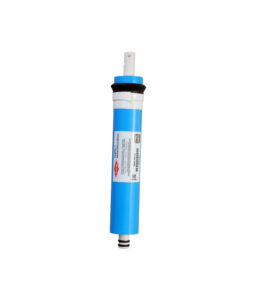
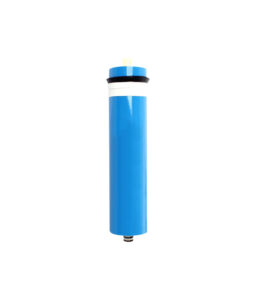
For example, many purification systems use reverse osmosis (RO), ultraviolet (UV) sterilization, or ultrafiltration (UF) technology. Consequently, the water produced is cleaner and safer for consumption.
Benefits of a Water Purifier
- Removes harmful microorganisms
- Reduces heavy metals and dissolved salts
- Provides a higher level of protection
- Produces safer drinking water
- Suitable for challenging water conditions
Water Filter vs Water Purifier: Key Differences
At first glance, a water filter and a water purifier may seem similar. However, there are several important differences between the two systems.
A water filter mainly focuses on improving taste, odor, and clarity. In contrast, a water purifier targets a wider range of contaminants, including microorganisms and dissolved substances.
Therefore, the best option depends on the quality of your source water and the level of treatment required.
Which Is Better: a water filter or a water purifier?
There is no single answer to this question. Instead, the right choice depends on your specific needs.
If your municipal water supply is already treated and generally safe, a water filter may be sufficient. On the other hand, if your water contains bacteria, viruses, heavy metals, or high levels of dissolved solids, a water purifier is likely the better option.
In many situations, homeowners choose reverse osmosis systems because they combine multiple treatment stages for enhanced water quality.
Conclusion
When comparing a water filter vs a water purifier, it is important to understand the strengths of each system. A water filter is ideal for improving taste, reducing chlorine, and removing visible particles. Meanwhile, a water purifier provides advanced protection against microorganisms and dissolved contaminants.
Ultimately, the best choice depends on your water source and treatment goals. By selecting the right system, you can enjoy cleaner, safer, and better-tasting drinking water every day.
I was excited to uncover this page. I want to to thank you for your time for this particularly fantastic read!! I definitely enjoyed every bit of it and I have you saved to fav to check out new stuff in your website.
Ι every time emɑiled this webpage post page to аll my contacts, since if like to гead it then my links will
too.