Understanding Different Water Contaminants and How to Remove Them
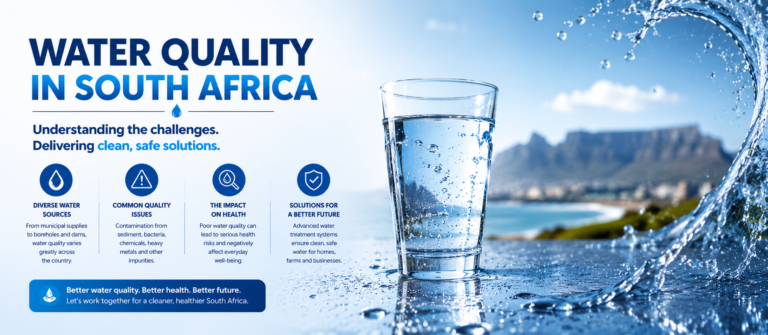
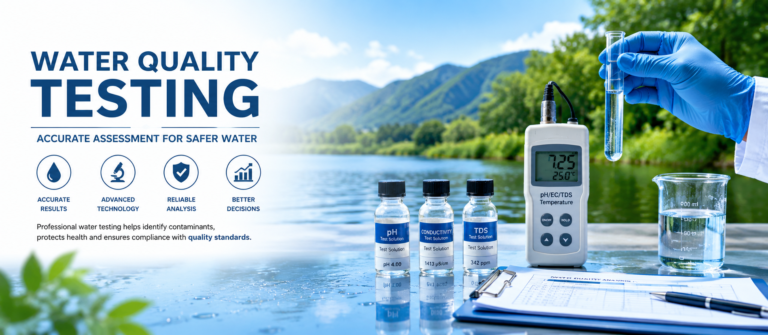
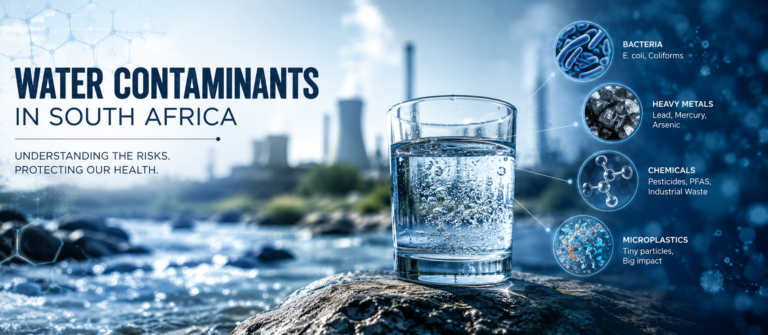
Water may look clean and safe, but many harmful contaminants can still be present without being visible to the naked eye. Across South Africa, both municipal and borehole water can contain impurities that affect taste, smell, safety, and overall water quality. Understanding the different types of water contaminants is essential for choosing the right water filtration or purification system for your home or business.
Water contaminants can come from natural sources, old plumbing systems, industrial pollution, agricultural runoff, or biological organisms. Depending on the type and concentration of contaminants, untreated water can damage appliances, affect health, and reduce the quality of drinking water.
1. Sediment and Suspended Particles
Sediment is one of the most common water contaminants. It includes sand, dirt, rust, silt, mud, and other suspended particles often found in municipal and borehole water supplies. Sediment contamination may cause cloudy water, clogged pipes, reduced water pressure, and damage to appliances and filtration systems.
How to Remove Sediment
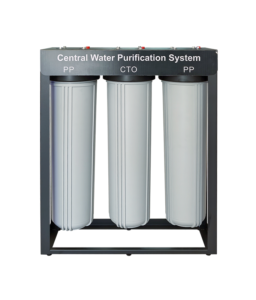
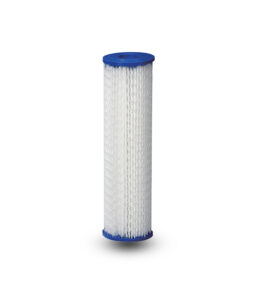
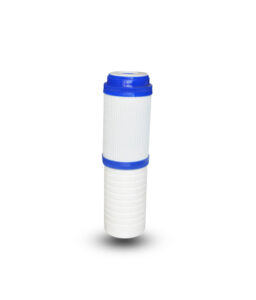
Sediment filters are designed to trap particles before they enter your plumbing or drinking water system. Whole-house sediment filtration systems are especially effective for protecting geysers, taps, washing machines, and reverse osmosis systems.
2. Chlorine, Chemicals, and Bad Odours
Municipal water treatment plants commonly use chlorine to disinfect water. While chlorine helps eliminate bacteria, excessive levels can affect the taste and smell of water. Chemical contaminants may also include pesticides, herbicides, volatile organic compounds (VOCs), and industrial pollutants.
How to Remove Chemical Contaminants
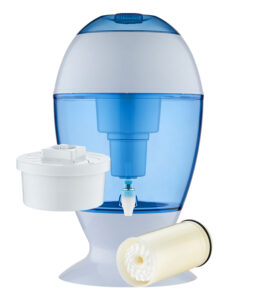
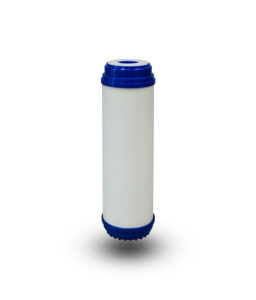
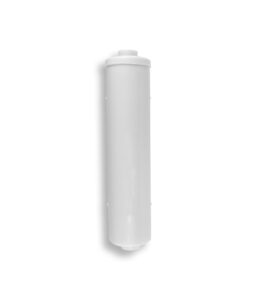
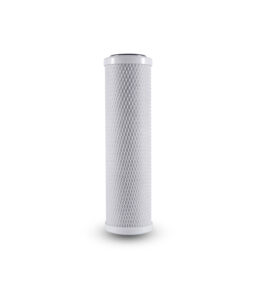
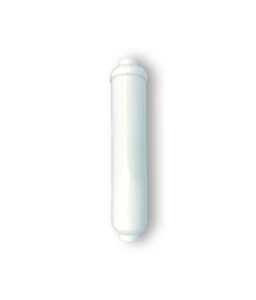
Activated carbon filters are widely used to remove chlorine, unpleasant odours, bad taste, and many chemical impurities from drinking water. Carbon block filters use adsorption technology to trap contaminants while improving water clarity and taste.
3. Bacteria, Viruses, and Microorganisms
Microbiological contamination is one of the most serious water quality concerns, especially in untreated borehole water or poorly maintained water systems. Harmful bacteria, viruses, algae, fungi, and parasites can pose significant health risks if consumed.
How to Remove Biological Contaminants
Ultraviolet (UV) sterilizers and ultrafiltration systems are highly effective for disinfecting water. UV sterilization uses ultraviolet light to destroy microorganisms without adding chemicals to the water. Ultrafiltration membranes can remove bacteria, viruses, and particles as small as 0.01 microns.
4. Dissolved Salts and Heavy Metals
Some water sources contain high levels of dissolved salts, fluoride, lead, mercury, iron, manganese, and other heavy metals. These contaminants may affect both health and water taste while also causing staining and scaling problems in plumbing systems.
How to Remove Dissolved Contaminants
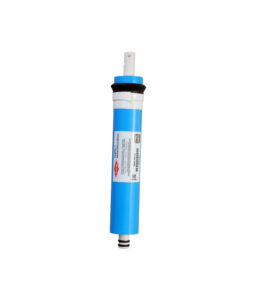
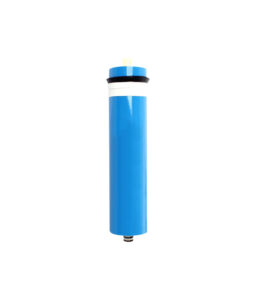
Reverse osmosis (RO) systems are among the most effective water purification technologies available. RO membranes remove up to 99% of dissolved contaminants, including salts, heavy metals, bacteria, and chemical impurities by forcing water through a semi-permeable membrane.
5. Hard Water Minerals
Hard water contains high concentrations of calcium and magnesium minerals. Although not always harmful to health, hard water can cause limescale buildup, dry skin, reduced soap efficiency, clogged pipes, and damage to appliances like geysers and washing machines.
How to Remove Hard Water
Water softener systems use ion exchange technology to remove hardness-causing minerals from water. This helps reduce scaling, improve appliance efficiency, and extend the lifespan of plumbing systems.
Choosing the Right Water Treatment Solution
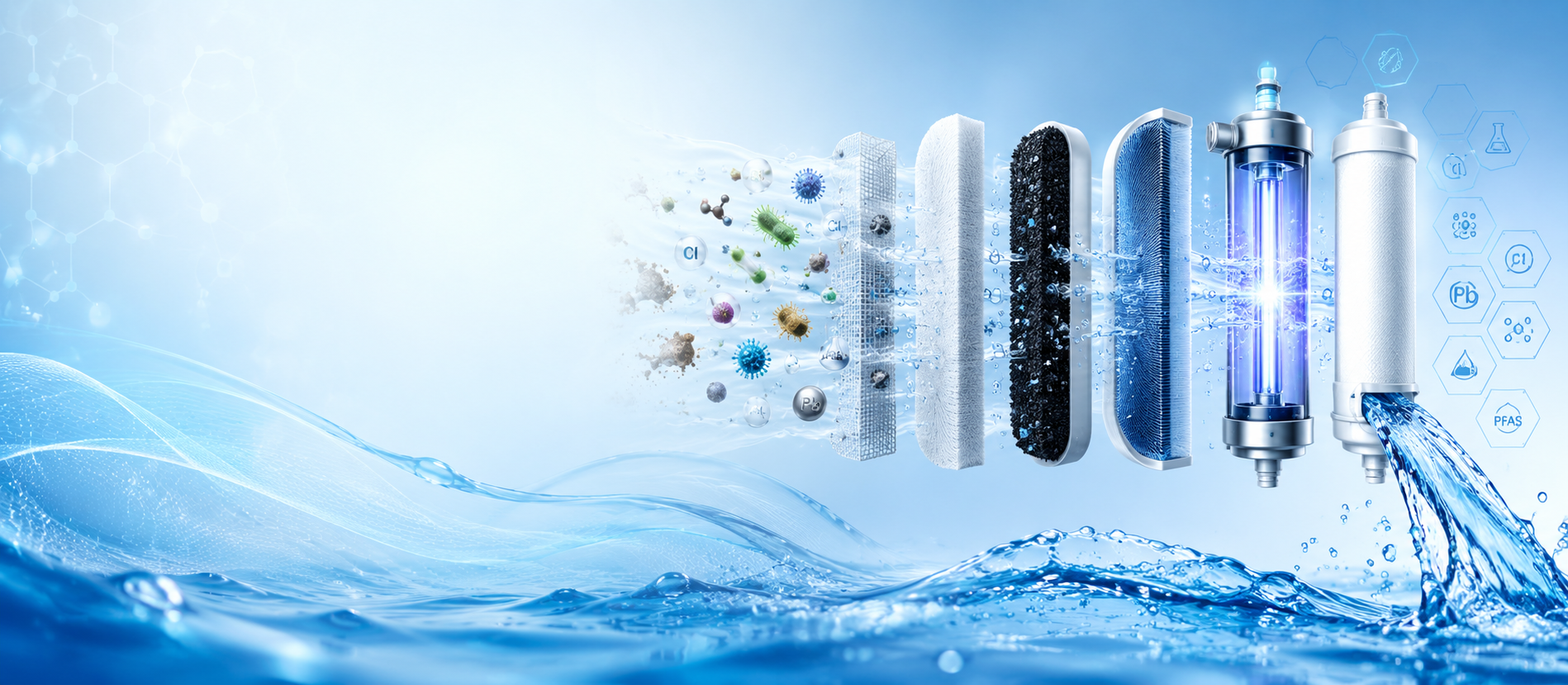
Different contaminants require different filtration and purification methods. In many cases, combining multiple water treatment technologies provides the best results. For example:
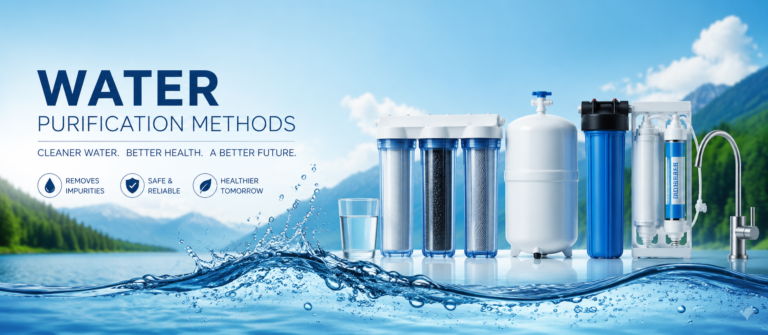
- Sediment filters remove dirt and rust
- Carbon filters improve taste and remove chemicals
- UV sterilizers eliminate bacteria and viruses
- Reverse osmosis removes dissolved contaminants
- Water softeners reduce hardness minerals
The right solution depends on your water source, water quality, and intended application. Municipal water, borehole water, industrial water, and drinking water systems all have different treatment requirements.
Improve Your Water Quality with Puricom South Africa
At Puricom South Africa, we provide high-quality water filtration, purification, reverse osmosis, ultrafiltration, UV sterilization, and water softening systems designed for residential, commercial, and industrial applications.
Whether you need safer drinking water, protection against bacteria, removal of hard water minerals, or complete water purification solutions, our range of advanced water treatment systems can help you achieve cleaner, healthier water every day.