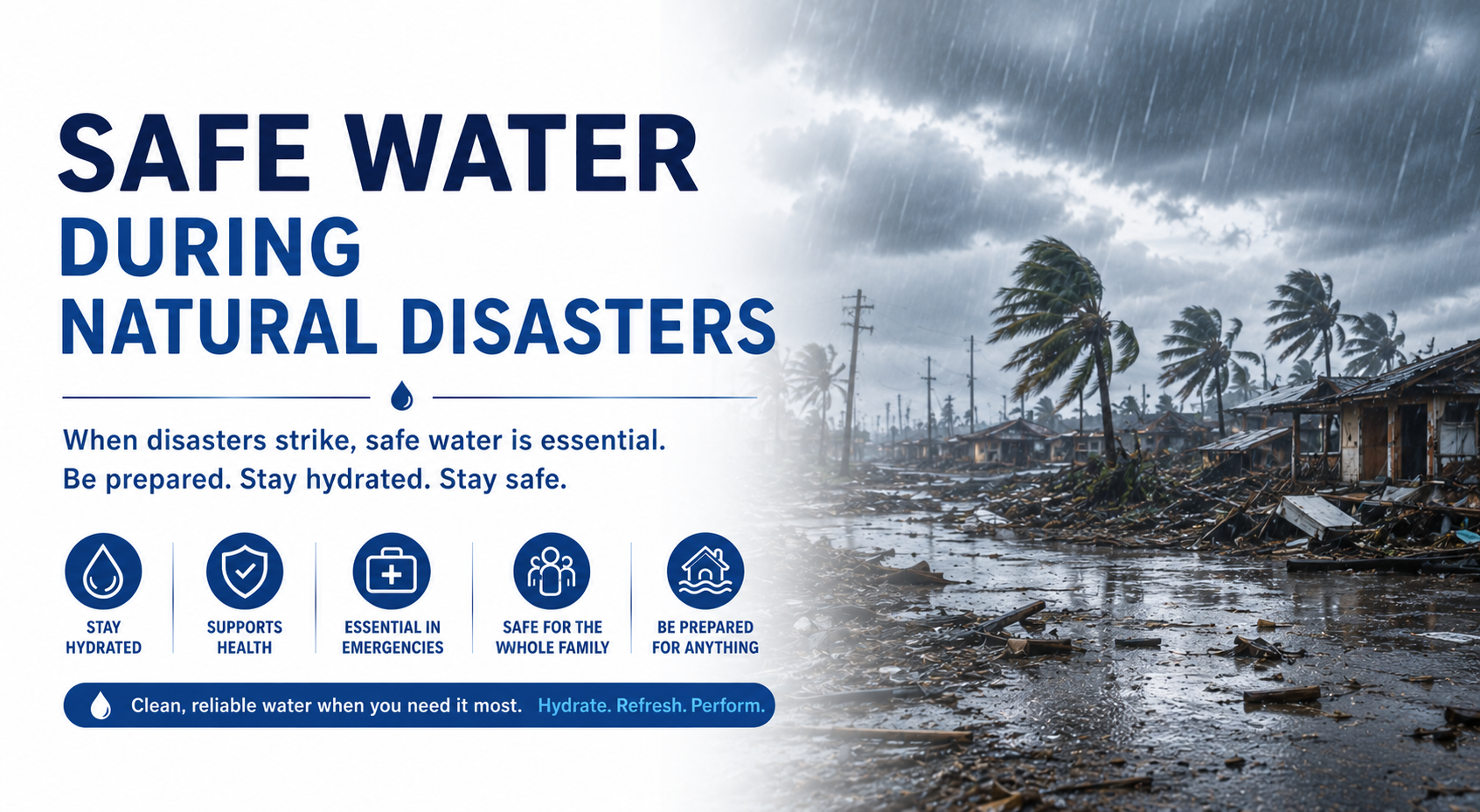
Safe Water During Natural Disasters: Protecting Your Water Supply in Emergencies
Natural disasters such as floods, storms, droughts, water outages, and infrastructure failures can severely affect access to clean drinking water. During emergencies, water supplies may become contaminated with bacteria, viruses, chemicals, sewage, sediment, and harmful microorganisms, making safe drinking water one of the most important survival necessities.
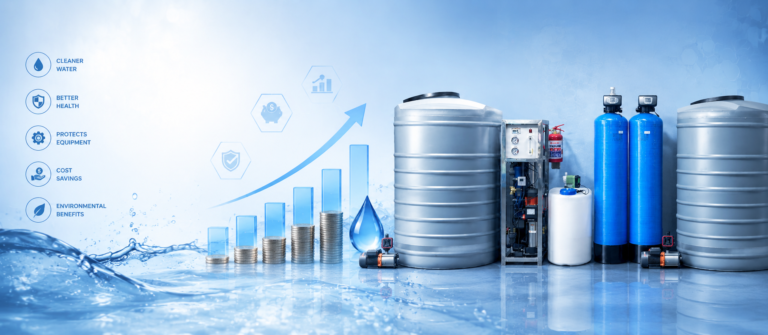
Preparing for safe water during natural disasters is essential for protecting your family, employees, and community from waterborne diseases and dehydration. Having the right water purification and emergency filtration systems in place can help ensure continuous access to cleaner, safer water when normal water services are disrupted.
Why Water Becomes Unsafe During Natural Disasters
Natural disasters often damage municipal water systems, pipelines, storage tanks, and boreholes. Floodwater may carry bacteria, parasites, chemicals, and sewage into water supplies, while droughts and infrastructure failures may increase contamination levels and reduce water quality. Power outages can also interrupt normal water treatment processes. (puricom.co.za)
Contaminated water can lead to serious health risks, including gastrointestinal illnesses, bacterial infections, and waterborne diseases. This is why emergency water treatment is critical during disaster situations.
1. Store Emergency Drinking Water in Advance
One of the best ways to prepare for emergencies is to store clean drinking water before disaster strikes. Experts commonly recommend keeping enough water for at least three days for each person in the household.
Water storage containers should be properly sealed, food-grade, and kept in a cool, clean environment away from direct sunlight and contaminants.
2. Use Water Filtration Systems During Emergencies
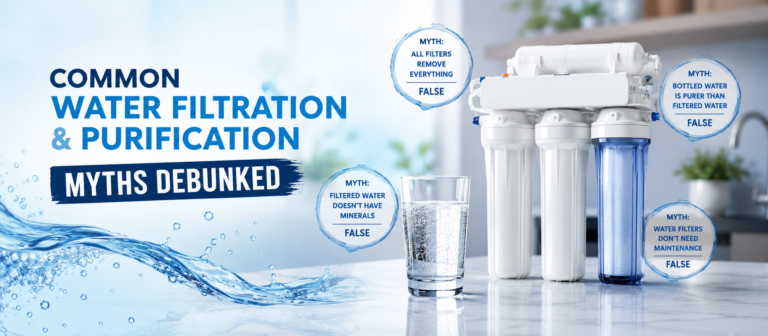
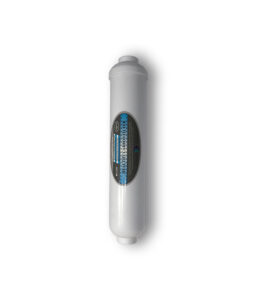
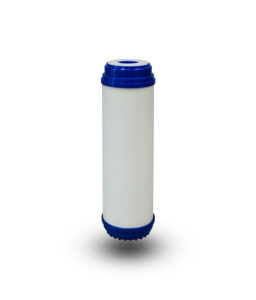
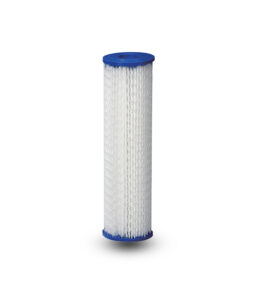
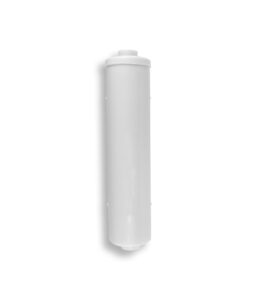
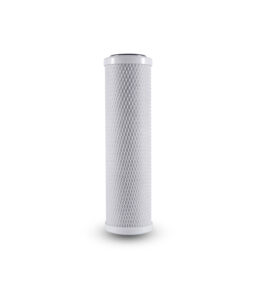
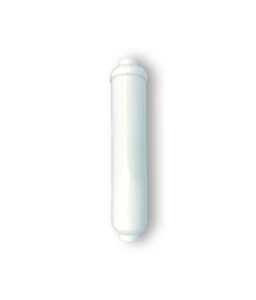
Water filtration systems help remove sediment, dirt, rust, chlorine, chemicals, and other impurities from contaminated water sources. Sediment and activated carbon filters are especially useful when water becomes cloudy or develops unpleasant tastes and odors during emergencies.
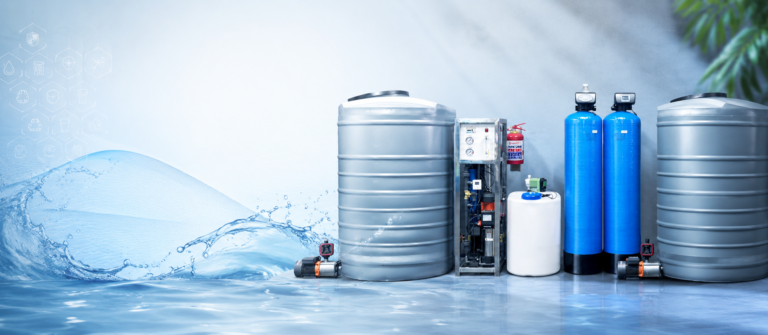
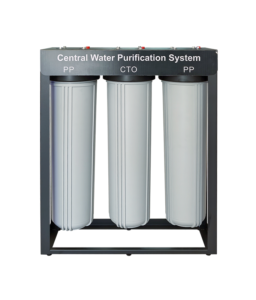
Whole-house filtration systems and portable filtration units can help improve emergency water quality for residential and commercial use.
3. Reverse Osmosis Systems Improve Water Safety
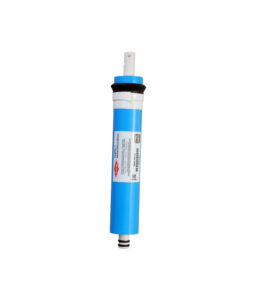
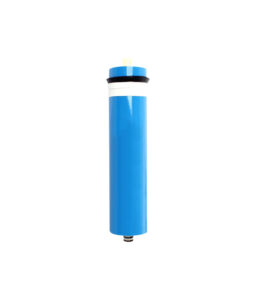
Reverse osmosis (RO) systems are highly effective for removing dissolved contaminants, heavy metals, bacteria, and many harmful chemicals from drinking water. Advanced RO systems can remove up to 95% of harmful contaminants while improving water taste and clarity.
Under-counter reverse osmosis systems are commonly used in homes and businesses where reliable drinking water purification is required during emergencies.
4. UV Sterilization Helps Eliminate Harmful Microorganisms
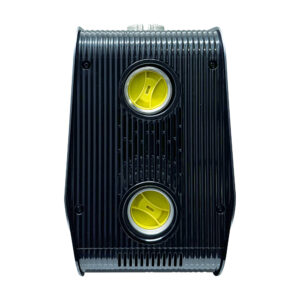
Ultraviolet (UV) water sterilizers are among the most effective methods for disinfecting contaminated water during natural disasters. UV systems use ultraviolet light to destroy bacteria, viruses, and microorganisms without adding chemicals to the water. UV sterilization systems can eliminate up to 99.99% of harmful microorganisms.
UV sterilizers are especially useful for borehole water, backup water storage tanks, and emergency water treatment systems.
5. Protect Your Plumbing and Water Systems
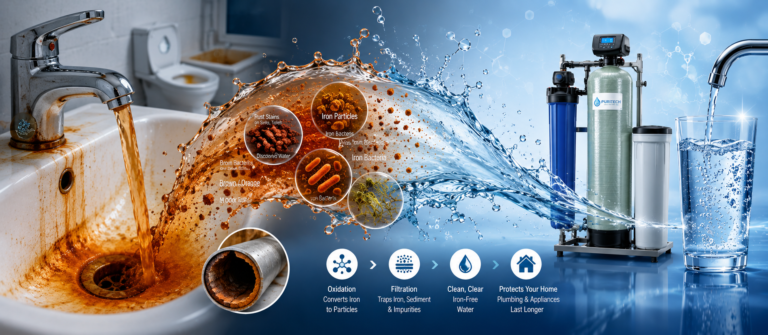
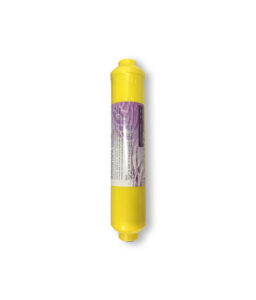
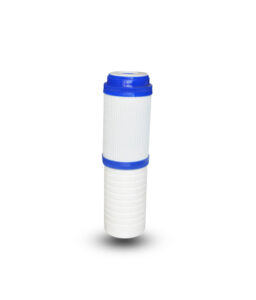
Disasters can also affect plumbing systems through sediment buildup, scale formation, corrosion, and contaminated pipes. Water treatment products such as sediment filters and anti-scale filtration media help protect water systems and appliances from damage caused by poor water quality.
Maintaining water systems during emergencies helps reduce repair costs and ensures continued access to cleaner water.
6. Prepare Backup Water Purification Solutions
Having multiple water treatment methods available can improve emergency preparedness. Depending on the situation, households and businesses may use the following:
- Reverse osmosis systems
- UV sterilizers
- Ultrafiltration systems
- Sediment filters
- Activated carbon filters
- Emergency bottled water reserves
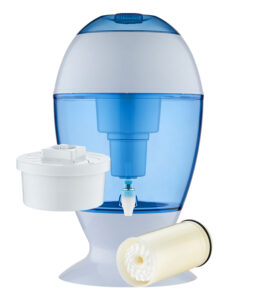
- Mineral water storage containers
Combining filtration and sterilization technologies often provides the best protection during disaster situations.
7. Ensure Safe Water for Homes and Businesses
Safe water is critical not only for drinking but also for cooking, cleaning, sanitation, healthcare, and workplace operations. Offices, schools, hospitals, factories, and residential properties all require reliable access to purified water during emergencies.
Businesses that prepare emergency water solutions in advance can reduce operational disruptions and better protect staff and customers during disasters.
Improve Emergency Water Preparedness with Puricom South Africa
At Puricom South Africa, we provide advanced water filtration, reverse osmosis, ultrafiltration, UV sterilization, and water treatment solutions designed for residential, commercial, and industrial applications. Our systems help improve water quality, remove harmful contaminants, and provide safer drinking water during normal conditions and emergency situations.
Whether you need a domestic reverse osmosis system, UV sterilizer, sediment filtration solution, or complete emergency water purification system, investing in reliable water treatment technology can help protect your family and business when access to clean water becomes critical.