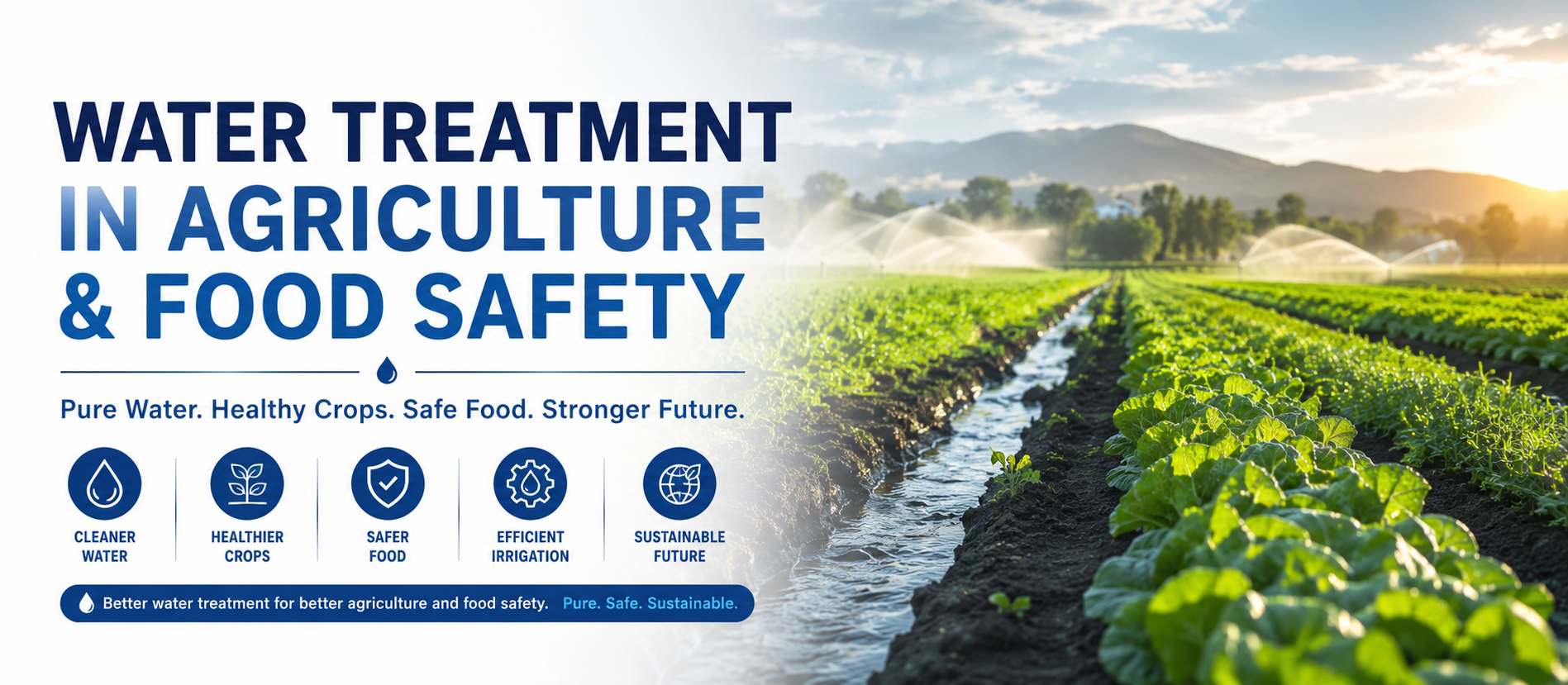
The Role of Water Treatment in Agriculture and Food Safety
Water treatment in agriculture plays a critical role in protecting food safety, improving crop quality, and supporting sustainable farming practices. Clean water is essential for irrigation, livestock health, food processing, and reducing contamination risks throughout the agricultural supply chain. Modern filtration and purification systems help farmers maintain safer water sources and improve agricultural productivity.
Why Water Treatment in Agriculture Matters
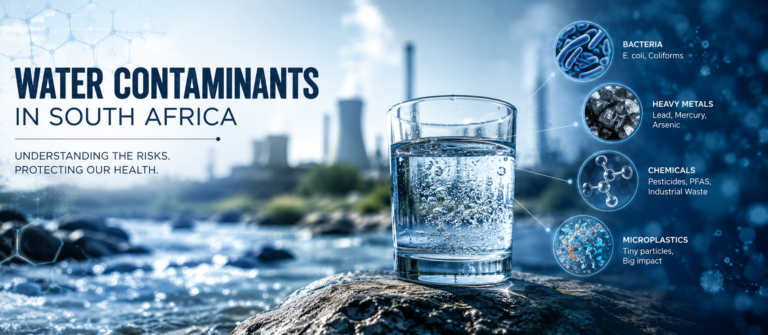
Agricultural water can contain bacteria, chemicals, heavy metals, sediment, and other contaminants that affect crops and livestock. Effective water treatment systems help reduce contamination risks and improve water quality for farming operations.
Water Treatment in Agriculture and Food Safety
Clean irrigation water is essential for maintaining food safety standards. Contaminated water used during irrigation or food processing can spread harmful bacteria and pathogens to crops. Proper filtration and purification systems help reduce the risk of contamination and improve food safety throughout production.
Irrigation Benefits of Water Treatment in Agriculture
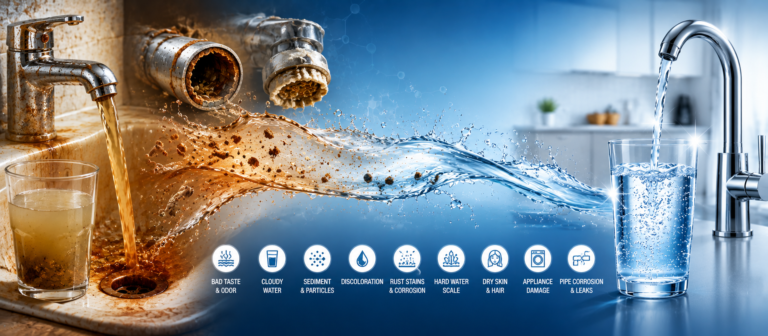
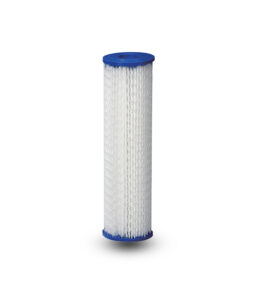
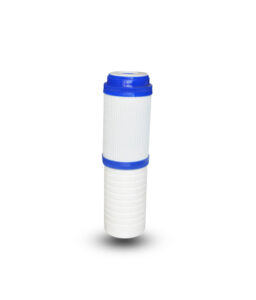
Water filtration systems help remove sediment, minerals, and contaminants that can damage irrigation equipment and reduce crop performance. Treated water improves irrigation efficiency and supports healthier crop growth in agricultural operations.
Water Treatment in Agriculture for Livestock Health
Livestock require clean drinking water to maintain health and productivity. Poor water quality may expose animals to harmful microorganisms and contaminants that affect overall farm performance.
Sustainable Farming and Water Purification
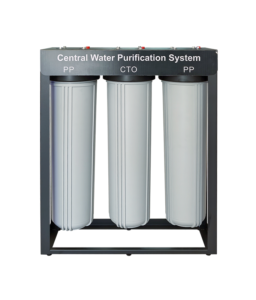
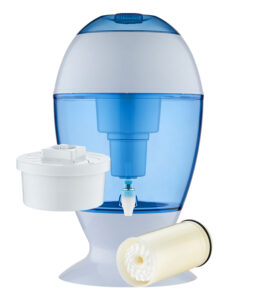
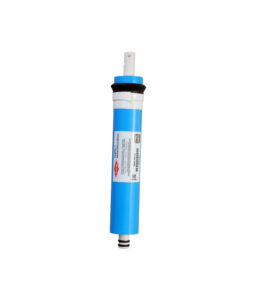
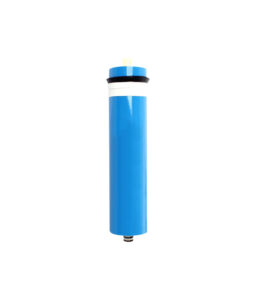
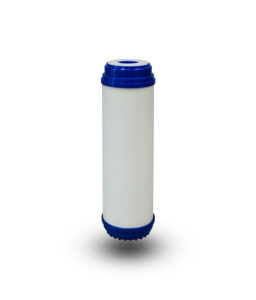
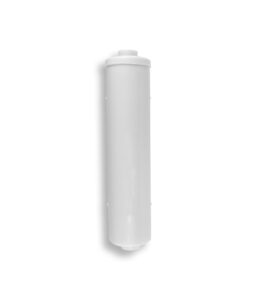
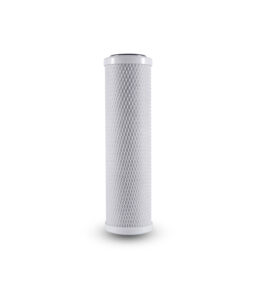
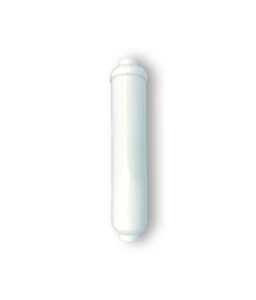
Modern purification systems support sustainable agriculture by reducing water waste, improving water reuse, and protecting natural water resources. Reverse osmosis systems, carbon filtration, and UV purification technologies are commonly used in agricultural water treatment applications.
Common Agricultural Water Contaminants
Agricultural water supplies may contain:
- Bacteria and viruses
- Pesticides and fertilizers
- Heavy metals
- Sediment and suspended solids
- Organic contaminants
Proper filtration systems help reduce these contaminants and improve water safety for agricultural use.
Choosing the Right Agricultural Water Treatment System
Different agricultural operations require different treatment solutions. Reverse osmosis systems help remove dissolved contaminants, while UV purification targets microorganisms. Carbon filtration systems improve water quality by reducing chemicals and odors.
FAQ
Why is water treatment in agriculture important?
Water treatment improves irrigation quality, supports food safety, protects livestock health, and helps reduce contamination risks in farming operations.
How does water treatment improve food safety?
Clean water reduces the spread of harmful bacteria and contaminants during irrigation and food processing.
What systems are used for agricultural water treatment?
Reverse osmosis systems, UV purification systems, and carbon filtration systems are commonly used in agricultural applications.
Can poor water quality affect crops?
Yes. Contaminated water can damage crops, reduce yields, and affect food quality and safety.
CTA
Discover advanced agricultural water treatment solutions from Puricom for improved food safety, cleaner irrigation water, and sustainable farming operations.